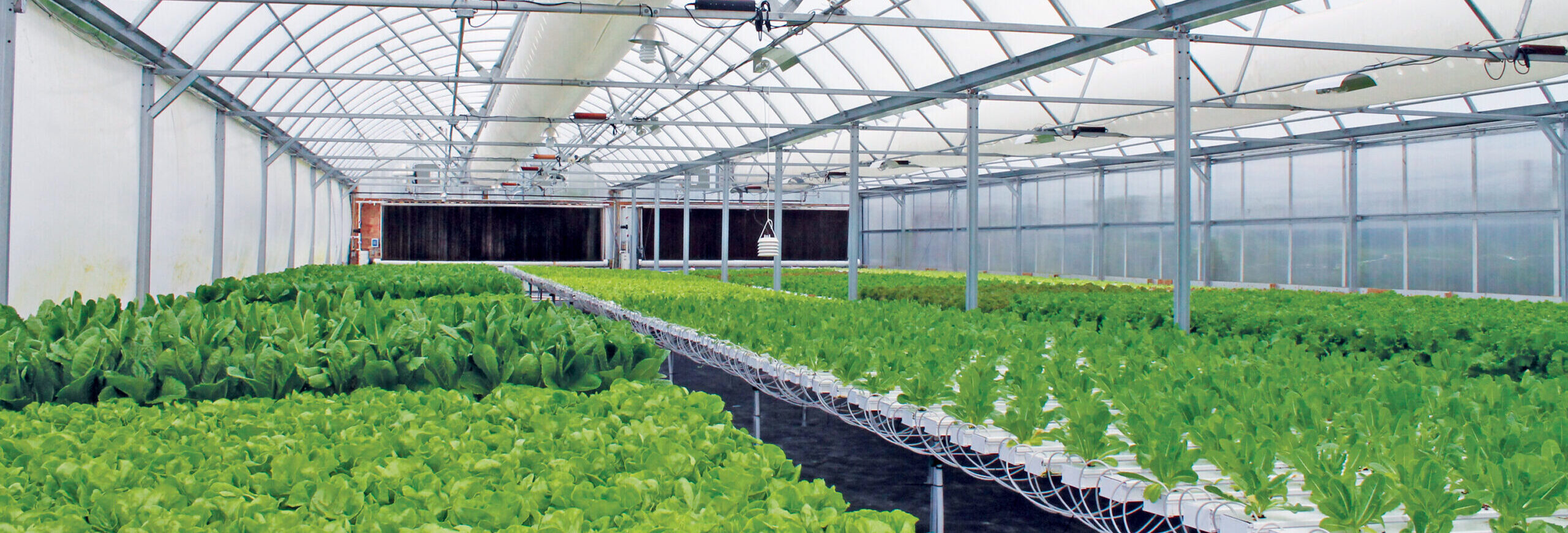
Showing posts with label commericalhydroponic. Show all posts

Monday, March 18, 2024

America's Role in the Vertical Farming Revolution 2023

Imagine a future where America leads the way in adopting innovative agricultural practices like vertical farming, revolutionizing the way we produce fresh, healthy, pesticide-free produce. In this visionary world, vertical farming utilizes a fraction of the land and water compared to traditional methods. Cities across America harness this technology to locally produce their own food, drastically reducing the need for long-distance transportation and consequently cutting down on carbon emissions. Vertical farming, adaptable to any climate, ensures year-round crop cultivation, bolstering food security and contributing to a greener planet. This may seem like an idealistic scenario, but the transformative potential of vertical farming is undeniable. Read on to discover why vertical farming is poised to be a game-changer, not only in how we cultivate our food but also in how we shape our future in America and beyond.

Vertical farming
Vertical farming is the practice of growing crops in vertically stacked layers. It often incorporates controlled-environment agriculture, which aims to

Vertical farming is the future of food production. Find out why this sustainable and efficient agricultural method is crucial for meeting the demands of a growing population.
Source: thehill.com

1. Introduction: Why Vertical Farming Matters

Vertical farming matters today more than ever, as it is an step toward creating a more sustainable and efficient food production system for the future. Some key aspects that highlight its importance include:

• Addressing Food Security: The United States Department of Agriculture (USDA) is committed to exploring vertical farming as a means of promoting food security across the nation. Workshops and funding opportunities are already in place to encourage research and development in this emerging field.

• Coping with Climate Change Challenges: As the world faces the consequences of a rapidly changing climate, the need to feed 10 billion people with limited resources becomes a pressing concern. Vertical farming offers a solution by using space in a more efficient manner, resulting in higher crop yields with less water and land use.

• Building on Historical Agricultural Practices: The concept of vertical farming is not entirely new, as we can see in historical examples such as the Babylonian Hanging Gardens, the Mesoamerican Aztec floating gardens and the walled gardens in 17th century France and the Netherlands. These innovations paved the way for controlled environment agriculture (CEA) that we see today.

• The Advantages of Controlled Environment Agriculture: CEA allows for customization of individual plant needs, optimizing growth and productivity. Vertical farming, as an extension of CEA, maximizes space usage by stacking crops vertically, thereby considerably increasing overall production per acre.

In conclusion, the significance of vertical farming lies in its potential to bring forth a more sustainable and efficient future for food production. By harnessing its advantages and learning from historical agricultural practices, we can aim to reshape the food system for the better. [1][2]

Vertical Farming is the revolutionary way of producing food that could be the future of agriculture. Learn more about its potential and benefits here!
Source: climatechampions.unfccc.int

2. The Limits of Traditional Farming Operations

The Limits of Traditional Farming Operations

Traditional farming operations face numerous challenges, including land limitations, seasonality, and environmental impact. However, vertical farming offers a promising solution to overcome these challenges. Here are some of the advantages:

- Efficiency: One acre of vertical farming can provide the produce equivalent to between 4 to 6 acres of conventional production, ensuring better utilization of space and resources. - Better control and stability: With Controlled Environment Agriculture (CEA) systems, production is not vulnerable to variability factors such as climate or pests and pathogens, offering a more stable model for reliable food production. - Environmental benefits: Vertical farming uses 70-80% less water and reduces nutrient loss to the environment. It also addresses the global problem of nitrogen loss (around 50%), which poses environmental and human health risks. - Improved security and safety: High levels of control in CEA systems reduce the interaction between crops and pests or pathogens, increasing food security and safety. In extreme instances, production can be resumed in the short-term, unlike in traditional agriculture where it often leads to a lost year. - Life cycle analysis (LCA) shows CEA systems offer improved resource efficiency, reducing adverse environmental impacts while maintaining high-quality yield.

Implementing vertical farming as an alternative to traditional farming operations presents an opportunity for increased efficiency, quality, and environmental benefits, ultimately addressing the growing need for food security as the global population continues to rise. [3][4]

Vertical farming is quickly becoming the future of food production. Learn why this innovative and sustainable approach to growing food is revolutionizing the industry.
Source: inhabitat.com

3. Vertical Farming as a Solution for Sustainability

Vertical farming is a highly efficient and sustainable way of producing food that offers several advantages over traditional agriculture. As a solution for sustainability, this innovative method has gained significant attention in recent years. Some key points to consider include:

- Vertical farms grow plants indoors in layers using LED lighting and controlled growing and nutrition systems. This allows for a more efficient use of space and reduces the need for pesticides in food production. - Europe's largest vertical farm, developed by Nordic Harvest, is capable of producing 1,000 tonnes of food per year. This showcases the potential for large-scale food production using vertical farming methods. - The technology used in vertical farms, such as software, robotics, and data science, enables precise control of the growing environment. This helps to reduce the environmental impact of food production and eliminate the need for harmful pesticides. - Through vertical farming, fresh produce can be grown year-round, regardless of season or weather conditions. This ensures a steady supply of food and contributes to greater food security. - Vertical farming can potentially reduce the need for transporting produce over long distances, as it can supply locally-grown food. This results in fresher food and lowers the amount of fuel used during transportation.

Despite the potential benefits of vertical farming, there are challenges such as the high cost of technology and real estate, along with energy consumption. However, the industry is growing rapidly, indicating that vertical farming has a promising future in addressing the world's food sustainability needs. [5][6]

Vertical Farming is the future of food - learn why this revolutionary approach to agriculture is set to revolutionize our food systems and provide sustainable solutions for a growing population.
Source: images.squarespace-cdn.com

4. Overcoming Challenges with Climate Change

Climate change poses numerous challenges to traditional farming, such as unpredictable weather patterns, leading to droughts, floods, and storms. Vertical farming offers potential solutions to overcome these challenges. By elevating agriculture to indoor facilities, vertical farming enables:

- Controlled environments: Farmers are no longer at the mercy of unpredictable weather patterns by growing crops indoors in climate-controlled spaces. - Efficient resource management: Vertical farming maximizes natural resources by using 70-80% less water and reducing land requirements by 10-20 times compared to conventional farming. - Reduced environmental impact: The precise control of resources in vertical farming minimizes nutrient losses to the environment, emissions of greenhouse gases, and the use of pesticides and fertilizers. - Improved food security: The ability to grow crops in any season and weather conditions makes vertical farming a more stable model for future food production. Moreover, the production of healthy and nutritious food is more accessible and affordable, even on low-value lands.

Vertical farming is a promising future for food production, offering enhanced efficiency, quality, and sustainability, as well as addressing food insecurity and inequity. With a growing global population, the need for innovative solutions has never been more vital to feed billions of people while minimizing the impact on our planet. Vertical farming stands as a beacon of hope for a sustainable and secure food future. [7][8]
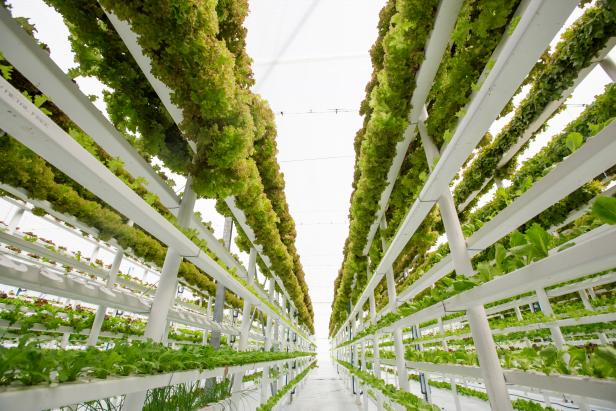
Discover why vertical farming is the future of food production. Learn the advantages of this sustainable and efficient agricultural method, and how it can help shape a better food system.
Source: discovery.sndimg.com

5. Advantages of Indoor Controlled Environments

Vertical farming has taken the world by storm owing to its numerous advantages, especially when it comes to indoor controlled environments. Some of these benefits include:

- Optimized space utilization leading to much higher food production per square meter of land. This process uses stacking techniques, allowing 75 times more food to be produced for the growing urban population.

- Indoor vertical farming reduces overall water usage by up to 90% by accurately determining the precise moisture balance needed for each crop. This method is highly sustainable and helps in water conservation.

- The controlled environment ensures a safer product reaches our plates by reducing the threat of pollution and the risk of illness. This improved crop quality contributes to feeding more people with healthier, nutrient-rich food.

- Vertical farming is environmentally friendly as it excludes pesticides from the process, reducing the impact on the environment and promoting greener, sustainable farming solutions.

- Proximity to the market minimizes transportation costs, CO2 emissions, and the need for refrigerated storage, resulting in fresher produce. This approach also significantly reduces the massive fossil fuel consumption typically required for traditional farming equipment.

To conclude, indoor vertical farming is a game-changer when it comes to addressing the world's food demands in an environmentally friendly, sustainable manner. Vertical farming's many advantages show great promise in providing a secure future for food production and catering to the needs of an ever-growing population. [9][10]
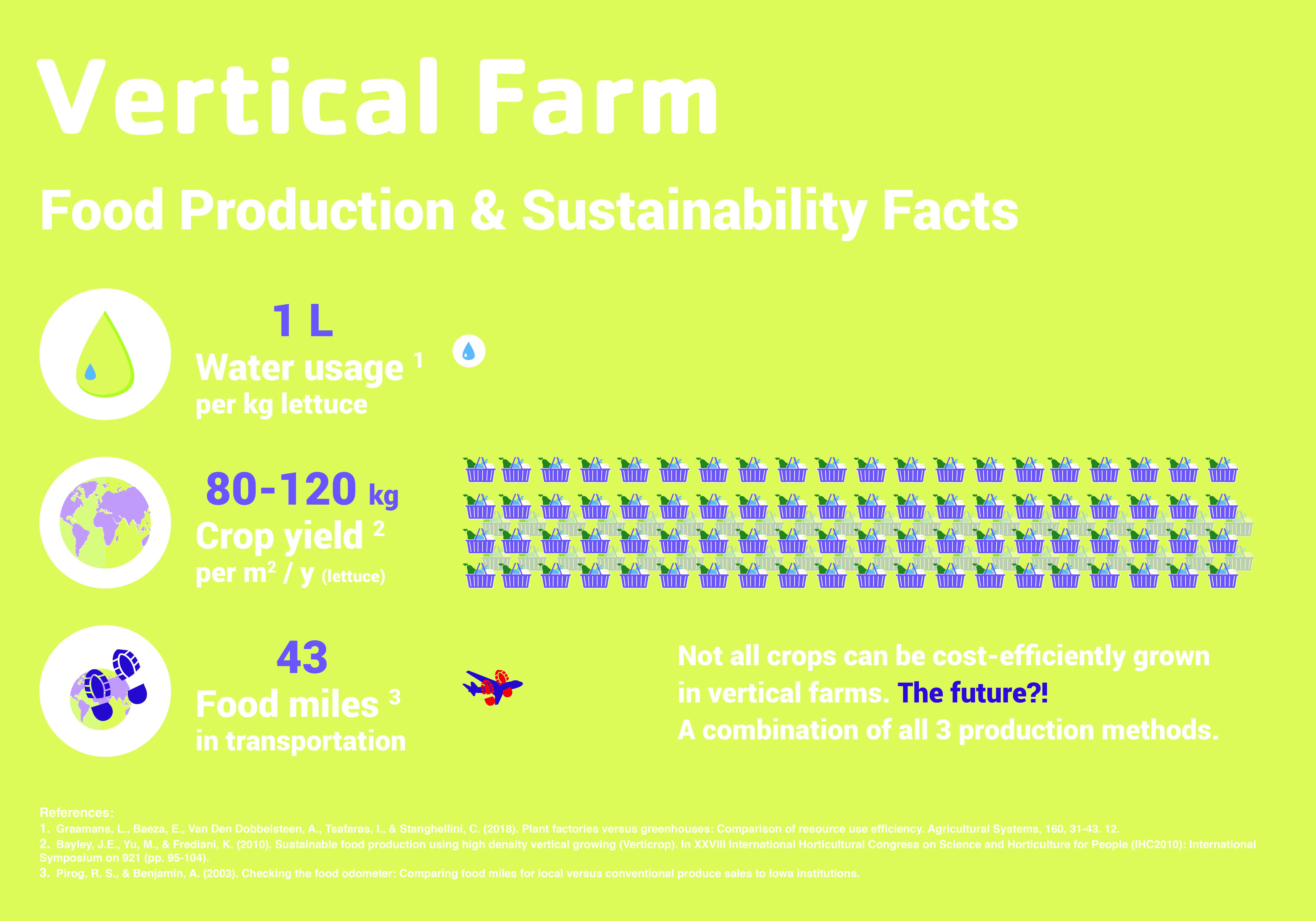
Vertical farming is the future of food: learn why it's a sustainable, cost-effective solution for growing fresh produce all year round.
Source: www.eitfood.eu

6. Increased Efficiency and Quality in Food Production

Vertical farming offers various benefits that contribute to increased efficiency and quality in food production:

- Enhanced Resource Utilization: Vertical farming enables spatial efficiency by occupying up to 0.02% of the space as compared to traditional methods for the same amount of produce. By stacking crops, the agricultural space can be condensed significantly.

- Reduced Water Consumption: Indoor farming methods use up to 90% less water than conventional techniques. Most of the water can be recirculated in irrigation systems to minimize waste, addressing the water overconsumption issue.

- Improved Soil Health: Traditional horizontal agriculture has led to land degradation, soil contamination, and water pollution. Vertical farming provides a sustainable alternative without compromising soil health and quality.

- Year-Round Production: Controlled Environment Agriculture (CEA) allows optimization of plant growth conditions, resulting in the consistent production of various crops throughout the year. This eliminates the constraints of seasonal dependencies in food supply.

- Location Proximity: Vertical farms allow for food production to be geographically closer to points of consumption, improving freshness and reducing transportation emissions.

- Pesticide-Free: Indoor farming eliminates the need for pesticides in crop growth, ensuring a safer and eco-friendly food production process.

However, vertical farming still faces challenges, such as high energy demands for cooling and dehumidification. It generally focuses on specific types of crops, like leafy greens, limiting the overall food diversity. Nevertheless, innovative technology advancements, such as energy-efficient LED lights and automated climate control systems, hint at a promising future for vertical farming in revolutionizing the food production landscape. [11][12]

Learn why Vertical Farming is the future of food. Discover the sustainable, affordable and efficient benefits of this revolutionary approach to farming that helps address global food security.
Source: u4d2z7k9.rocketcdn.me

7. Reduced Environmental Impact with Vertical Farming

Reduced Environmental Impact with Vertical Farming

Vertical farming offers a sustainable approach to agriculture, addressing the challenges of feeding an ever-growing population. The salient features and benefits of this modern farming technique include:

- A controlled environment: Farmers can grow crops indoors, making them less dependent on weather conditions. This enables more consistent production and quality.

- Efficient use of resources: Vertical farming systems generally use less water, fertilizer, and eliminate the need for pesticides. Furthermore, vertical farms can be built in urban areas, minimizing transportation needs and reducing overall carbon emissions.

- Enhanced food quality and safety: As plants are grown indoors, processes that can degrade nutritional value, such as chlorine baths for leafy greens, are not necessary. This leaves more of the plant's nutrition intact.

Vertical farming can contribute significantly to food sustainability goals:

- Improved nutrition targets: Indoor vertical farms can help grow more nutritious foods while using fewer resources and requiring less land.

- Shorter supply chains: By constructing vertical farms closer to densely populated areas, healthier food choices can become more accessible and affordable as transportation costs decrease.

- Supporting local communities: This approach can create a more equitable food system by reaching historically underserved communities and providing fresher, healthier food options at more affordable prices.

The global vertical farming market is expected to grow rapidly, reaching approximately $20 billion by 2025. This growth is driven by increasing consumer awareness about the environmental impact of traditional agriculture and the need for innovative, sustainable, and efficient farming techniques, such as vertical farming, in the fight against climate change and resource depletion. [13][14]

Vertical farming is the future of food, with more efficient use of resources and potential to produce higher yields. Discover why this innovative approach is changing the way we think about growing food.
Source: www.thelancet.com

8. Addressing Food Insecurity and Inequity Across the Globe

Addressing food insecurity and inequity has become a major global challenge. One promising solution is vertical farming, which utilizes advanced technology to increase agricultural production in urban settings. Here are some key points about how vertical farming can contribute to addressing these pressing issues:

- Conventional farming struggles to keep up with the growing global population and changing environmental conditions. Vertical farming offers a more sustainable alternative, capable of meeting the increasing food demands as the global population is projected to rise to 9.7 billion in 2050. - Vertical farms use up to 90% less water compared to traditional agriculture, conserving valuable resources and reducing the overall costs of food production. - Improved supply chain efficiency is observed in vertical farming, as perishable crops have a lower chance of spoiling during harvesting, packaging, processing, and distribution. This results in a reduction in food waste and ensures access to fresh produce for many communities. - Vertical farming can provide fresh, healthy food options for low-income families in both industrialized and developing countries helping to combat malnutrition and food-related diseases such as obesity and diabetes. - Climate change and extreme weather events have made agriculture increasingly vulnerable. Vertical farming enables predictable and consistent production, irrespective of weather conditions and natural disasters.

Despite the high upfront investment required, vertical farming has gained significant attention, with leading indoor farming operations raising over $500 million each. As the world searches for innovative solutions to address food insecurity and inequality, vertical farming emerges as a promising approach that can have a lasting impact on the future of food production. [15][16]

Vertical farming is the future of food production. Learn why this innovative growing solution can provide sustainable food sources and how it can benefit our world.
Source: inhabitat.com

9. Future Opportunities for Vertical Farming Investment

As the global population continues to increase, the demand for food is projected to reach unprecedented levels. Traditional agriculture faces numerous challenges, such as climate change, resource management and environmental impact, and unequal access to healthy food. Addressing these issues may require innovative solutions like vertical farming.

Vertical farming involves growing crops indoors in vertical layers, using LED lighting and controlled growing and nutrition systems. These facilities offer several benefits:

- Efficient use of space, producing more food in less area. - Sustainable practices, using 250 times less water than traditional farms. - Elimination of pesticide use, thanks to controlled environments. - Year-round production of fresh produce.

These advantages make vertical farming a promising solution for a more sustainable global food supply. In addition to reducing the environmental impact of agriculture, vertical farms can also contribute to improved food equity by making healthier choices more accessible and affordable to a wider range of communities.

The vertical farming market is expected to grow significantly, from $5.5 billion in 2020 to around $20 billion by 2025. This growth is driven by increasing investment in vertical farming technology and heightened consumer awareness about the environmental impact of food production.

However, cost remains a significant hurdle to widespread adoption of vertical farming. High expenses for real estate, technology, and energy are among the challenges that need to be addressed for vertical farming to become a truly global solution.

In conclusion, vertical farming offers great promise as a sustainable and efficient approach to food production. With continued investment and advancements in technology, it has the potential to revolutionize agriculture and help meet the growing demands of our global population. [17][18]
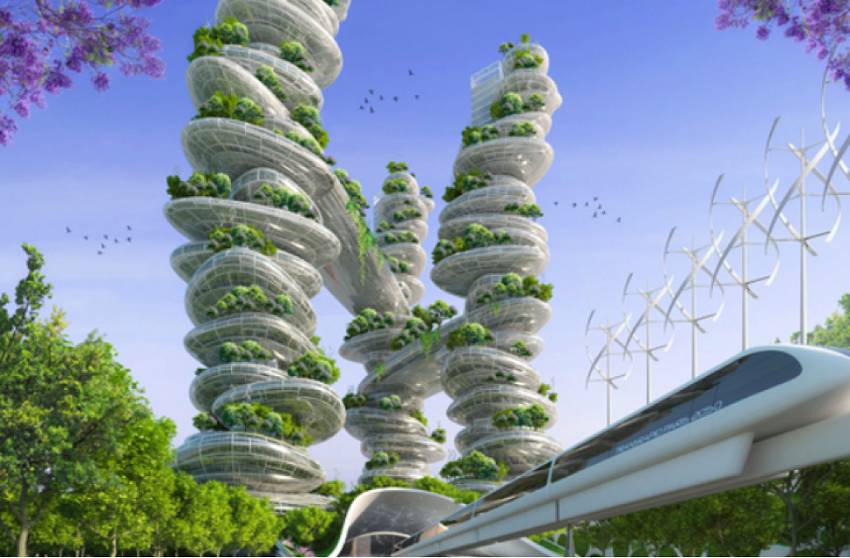
Vertical farming has the potential to revolutionize how we produce food. Learn why it's the future of food production - from sustainability benefits to cost-effectiveness!
Source: www.lifeadvancer.com

10. Conclusion: The Promise of Vertical Farming for the Future of Food

In conclusion, vertical farming holds immense promise for the future of food production. By leveraging advanced technology and efficient techniques, this innovative farming method offers numerous benefits that can revolutionize the way we produce and consume food.

Key points to consider about vertical farming include: * Efficient use of space: Vertical farming allows for a substantial amount of agricultural space to fit into much smaller physical spaces, creating more food in less space. * Reduced carbon emissions: The agriculture industry generates approximately 8.5% of global annual emissions; adopting vertical farming can significantly reduce this percentage. * Lower water consumption: Vertical farming systems use up to 90% less water compared to traditional agricultural methods, promoting sustainable water usage. * Improved soil health: Conventional farming methods have led to increased land degradation, soil and water contamination. Vertical farming can prevent further damage to our planet's soil health. * Year-round crop production: Vertical farming enables continuous crop growth, free from seasonal limitations, ensuring a reliable food supply throughout the year.

Although challenges remain, such as high initial costs and reliance on non-renewable energy sources, the global vertical farming market is expected to grow from $5.5 billion in 2020 to around $20 billion by 2025. There is no doubt that vertical farming will play a pivotal role in addressing the increasing demand for food while simultaneously reducing the environmental impact of agriculture. As more people embrace this cutting-edge farming method, we can strive towards a healthier, safer, and more sustainable world. [19][20]

as we examine the transformative potential of vertical farming and its impact on the future of food, it is evident that America plays a crucial role in this agricultural revolution. With its diverse landscapes, innovative spirit, and commitment to sustainability, America is poised to lead the way in advancing vertical farming technologies and practices. As the nation continues to address the challenges of food security, environmental sustainability, and efficient resource utilization, vertical farming stands as a beacon of hope and progress. By harnessing the power of vertical farming, America can not only secure its own food supply but also inspire global change, ushering in a brighter, more sustainable future for food production on both a national and international scale

Thank you https://hydroponicharmony.com

https://hydroponicharmony.com/vertical-farming/?feed_id=5237&_unique_id=65f8c4c51d108

Saturday, March 16, 2024

The Complete Guide to Commercial Hydroponic Growing Systems and Supplies

Imagine stepping into your very own We’ve manufactured commercial growing systems for large scale production Submerging the roots of crops in nutrient dense water increases fruit and vegetable crop quality. Using a fertilizer in the Turn your warehouse into a productive greenhouse using commercial hydroponic system using a circulation pumps. to support a hydroponic structure. Hydroponics system, filled with lush greenery and bountiful harvests, all year round, regardless of the weather outside. 

Picture having complete control over all aspects of your garden's environment – from temperature and humidity to the nutrient intake of each plant – guaranteeing optimal growth and produce.

This might seem like a dream for many gardening enthusiasts, but you don't have to pinch yourself! This tantalizing vision is not only achievable but thriving in the world of greenhouse hydroponics.

Join us in exploring this innovative cultivation method that combines the best of greenhouses and soilless growing techniques in our comprehensive guide to greenhouse hydroponics. Get ready to embark on a journey that will change your perspective on gardening and revolutionize your green thumb!

Greenhouse
can also be used to stack seed trays inside the greenhouse for later transplanting outside. Hydroponics (especially hydroponic frames) can be used to submerge plants in nutrient solutions optimizing fertigation processes through precise nutrient dosing.
 
Discover everything you need to know about greenhouse hydroponics, from commercial setups to the science behind it. Get your comprehensive guide now!

Source: m.media-amazon.com

1. The U.S embraces this technique of submerging plants. CropKing is one of the suppliers that provide DWC systems for indoor commercial hydroponics. Introduction to Commercial Greenhouse Hydroponics

Commercial greenhouse hydroponics is an innovative method of growing plants without soil, making use of nutrient-rich water instead. This modern approach to farming can be better understood by exploring resources such as Hydroponics 101: A Complete Beginner's Guide to Hydroponic Gardening by Deschain Dean and Hydroponics Greenhouse: The Complete DIY Beginner's Guide to Learn How to Build Easy Systems for Growing Vegetables, Fruits, and Herbs All Year Round by Richard Roberts. Both these informative books offer valuable insights into the world of Indoor and commercial hydroponic gardening using DWC systems and other technologies..

Some key benefits of commercial hydroponic/ Greenhouse Hydroponics, a system where plants may be used in a submerged environment. The benefits of precision fertigation in gardening include, and may be used in hydroponic systems where plants are submerged in nutrient solution. - Efficient use of water, making it a sustainable option, especially if a circulation pump is used for nutrient solution submersion. - No soil required, making it suitable for areas with poor soil quality - Reduced pests and diseases, as soil-borne diseases are eliminated - The ability to grow plants All-year-round, hydroponic growing systems allow crops to be harvested due to their controlled environment.

By following the instructions provided in these books, beginners can start with hydroponic growing systems Successfully set up the plant's roots in their hydroponic drip system and NFT system, submerged in nutrient solution with our technical support. We also offer system installation services throughout the United states. gardens and reap the benefits of this revolutionary method of agriculture. Always remember, it is crucial to choose the right equipment, maintain pH and EC levels, and overcome common issues in commercial hydroponic gardening for a high yield.

Up next, let's dive into the numerous benefits of commercial hydroponic gardening and why it is increasingly becoming popular among farming enthusiasts and entrepreneurs. Stay tuned for various ways that recirculating systems can help growers. advantages and breakthroughs that hydroponics Thin film technology can bring advancements to agriculture.

Learn the basics of commercial hydroponics and discover the benefits of growing with greenhouse hydroponics. This comprehensive guide has all the information you need to get started.

Source: www.grovida.us

2. Benefits of Commercial Hydroponic Gardening

The benefits of commercial hydroponic gardening are numerous, and it has even been proven that using nft system can increase plant yields and reduce waste significantly. Some advantages of this system, which may be used in the U.S, include:

1. More efficient use of water: Hydroponic systems use 10 times less water than traditional soil-based gardening, as water can be reused in the system. 2. Space-saving: In an indoor growing environment, hydroponic gardening requires 20% less space than soil-based growing., allowing plants to grow upright and take up less room. Here are 3 overview points to consider about the commonly used practices in current culture. Weather-independent: Hydroponics allows you to grow plants in a climate-controlled environment, unaffected by harsh weather conditions, leading to higher crop yields. 4. Fewer synthetic chemicals needed with use of system and nft system. With minimal pest attacks in a greenhouse, Thin film technology can improve efficiency in hydroponic systems. eliminate the need for synthetic pesticides, resulting in healthier plants. 5. Faster and better nutrient supply: Hydroponic systems provide direct access to nutrients and oxygen, enabling plants to grow faster and healthier.

With these benefits, it's no wonder why the use of a circulation pump in a hydroponic system in the U.S may be used. hydroponic greenhouses are becoming more popular in the world of agriculture. In the next section, we will delve deeper into understanding plant growth in water and how it affects the hydroponic Adjusting the dose per plant is a fundamental process in fertigation. Stay tuned for more information on this fascinating topic! 

Learn all about commercial hydroponics and how to set up a home greenhouse system with this comprehensive guide. Get expert advice on the best methods and materials to use for success.
Learn all about the benefits of commercial, turn-key hydroponic systems for indoor use. hydroponics and how to set up a home greenhouse system with this comprehensive guide. Get expert advice on the best methods and materials to use for success.

Source: m.media-amazon.com

3. Understanding Plant Growth in Water for Greenhouse Hydroponics

Understanding plant growth in water is key to successfully growing plants hydroponically. In hydroponics, traditional soil or soilless mixes are not used; plants are either supported by an inert growing medium or nothing at all, with nutrients supplied directly at the root zone (Hydroponics 101 - The Complete Guide To Hydroponic Growing). One benefit of hydroponic gardening is that it is more efficient, using far less water compared to traditional growing methods. In many cases, water can be reused, increasing efficiency further and saving money.

Moreover, hydroponic gardening can lead to quicker growth rates, with plants growing 25% faster than in standard soil (Hydrobuilder Learning Center). Using an automated system means a shorter time to harvest and more harvests per year. Hydroponic harvests can also be up to 30% heavier than soil-grown plants. However, hydroponic gardening, where plants are often submerged in a nutrient solution, is more complicated and can be more expensive than traditional soil growing, with less room for error.

To aid you in learning about hydroponic gardening, books like "Hydroponics and Greenhouse Gardening: 3-in-1 Gardening Book to Grow Vegetables Herbs and Fruit All-Year-Round" by Richard Bray contain valuable information (Amazon.com). It offers guidance on choosing the right system, equipment, and nutrients crucial for successful hydroponic gardening.

Now that you have a basic understanding of plant growth in water, let's explore the different types of commercial hydroponic systems available in the next section to help you make an informed choice in your hydroponic farming Venture into commercial growing systems as a profitable business idea. 

Discover the benefits of commercial hydroponics with this comprehensive guide to greenhouse hydroponics. Learn how to set up your own system and get growing today!

Source: extension.umn.edu provides technical support throughout the United States.

4. Types of Commercial Hydroponic Systems

Hydroponic systems have revolutionized the agriculture industry, offering various advantages, such as better nutrient control, faster growth rates, and water efficiency. To help you decide which system suits your venture, let's discuss the most popular types of commercial hydroponic systems:

- Nutrient Film Technique (NFT): An active recovery system featuring tilted channels in which plants are suspended by foam net pot inserts, allowing nutrient solutions to flow over the exposed root ends like a film. Best for lightweight plants with small root systems, it's popular among commercial growers due to its ease of use and ability to support multiple plants. - Deep Water Culture (DWC): A system particularly suitable for large plants with big root systems, DWC suspends the roots of plants in aerated nutrient solutions. Air stones or diffusers ensure that plants don't drown in the constant nutrient solution. - Wicking: A passive, electricity-free method, wicking involves placing plants on a tray of growing medium on top of a nutrient-filled reservoir. Nylon wicks absorb the solution, transferring nutrients to the plants' root systems, making it a cost-effective option for both commercial and hobby growers. - Ebb and Flow (Flood and Drain): An active recovery method, ebb and flow periodically floods the grow bed to deliver nutrients and oxygen to the roots. Equipped with a timer and overflow tube, the system does not constantly expose plants to water supply.

Ready to delve deeper into hydroponic gardening? Our next topic, "Equipment Needed for Commercial Hydroponic Gardening," will offer essential information to help you get started. 

Discover how to maximize crop production with commercial hydroponics. Read our comprehensive guide on greenhouse hydroponics and start growing today!
Discover how to Maximize crop production with commercial hydroponics designed for indoor, warehouse environments.. Read our comprehensive guide on greenhouse hydroponics and start growing today!

Source: extension.umn.edu

5. Equipment Needed for Commercial Greenhouse Hydroponics Gardening

Commercial hydroponic solutions often supply commercial growers with types of hydroponics systems including irrigation and DWC systems. gardening is an innovative and efficient way to grow plants, but it does require specific equipment to ensure success. Here is a list of turn-key solutions commonly used in the indoor farming industry. Essential equipment needed for commercial hydroponic gardening indoors. gardening:

1. Growing System: The type of hydroponic system you choose will depend on the specific needs of your plants and the scale of your operation. Common systems in commercial hydroponics that recirculate water and nutrients include nutrient film technique (NFT), aeroponics, irrigation, and DWC systems. Deep water culture (DWC) systems are highly efficient for commercial and indoor hydroponic gardening. (DWC).

2. Grow Lights: Whether you're using natural sunlight or artificial light, ensure your plants receive enough light for proper growth and development. Some popular grow lights include LED, high-pressure sodium (HPS), and metal halide (MH) lamps.

3. Submerged Nutrient Solution: A well-balanced nutrient solution is crucial for The optimal plant growth achieved using types of commercial hydroponics systems and proper indoor growing conditions can meet the needs of many growers.. Choose the right nourishment and mix it with water to supply the plants with essential elements needed for growth and development.

4. Water and Nutrient Delivery System: To provide the nutrient solution to your plants, you'll need pumps, tanks, and plumbing systems capable of handling the demands of your commercial hydroponic Grow a lush indoor or commercial hydroponic garden using irrigation and DWC systems.

5. Environmental Control System: Maintain temperature, humidity, and air circulation by using heaters, fans, humidifiers, and dehumidifiers as needed.

6. Monitoring Devices: Keep a close eye on your plants by using sensors for pH, electrical conductivity (EC), and moisture levels.

7 systems will help with growth and development. Grow Medium: Depending on the hydroponic system you employ, you may need a grow medium like perlite, coconut coir, or Rockwool to support your plants.

8. Support System: To elevate larger plants, they may require trellises, cages, or other forms of support to ensure they thrive indoors. Different types of crops like lettuce and tomato grow upright and efficiently in commercial hydroponics systems. utilize space.

In the next section, we will discuss how to choose the right nutrients for your plants to ensure Technical support for optimal growth and development in your commercial hydroponic. garden.

Discover how to build and maintain a commercial hydroponic greenhouse with our comprehensive guide. Learn the basics of hydroponics and get started today!

Source: upload.wikimedia.org

6. Choosing the Right Nutrients for Your Plants

Choosing the right Allocating the precise nutrient dose per plant is crucial in hydroponic gardening., as plants rely entirely on the nutrients you provide for their growth and development. When selecting the appropriate hydroponic nutrients When planning your garden indoors, consider the following:

- Essential Nutrients optimized for the thin film technique can boost production in growing plants. All plants need a balanced mix of the following key nutrients: Nitrogen (N), Phosphorous (P), Potassium (K), Calcium, and Magnesium. The proportions of these nutrients should be accurately measured for hydroponic growing systems. nutrients may differ depending on the plant species and growth Preparing the precise nutrient dose is an important stage in hydroponic gardening.

When considering water solubility in fertigation of hydroponic systems- Ensure that the nutrients you choose are 100% water-soluble. This is important because, in hydroponic systems, nutrients must be dissolved in water for the plants to absorb them. - Formulation: Hydroponic nutrients The nutrients used in hydroponic systems must be 100% mineral salts (non-organic) to allow for precise nutrient delivery during fertigation. Also, they must include all 14 essential elements (excluding carbon and oxygen, which plants obtain from the air).

To ensure healthy, thriving plants, monitor and maintain the pH and EC levels of your nutrient solution consistently. This will allow you to identify potential nutrient deficiencies or toxicities and make adjustments as needed.

In the next section, we will discuss the importance of maintaining pH and EC levels in commercial hydroponic systems, which is crucial for optimal nutrient absorption and overall plant health. 

Discover how to build and maintain a commercial hydroponic greenhouse with our comprehensive guide. Learn the basics of hydroponics and get started today!

Source: www.grovida.us

7. Maintaining pH and EC Levels on a Submerged Commercial Hydroponic Gardening

Maintaining pH and EC Levels on a Commercial Hydroponic Ensuring the nft system in gardening is functioning correctly is crucial for the health and productivity of plants.. According to Oklahoma State University, optimal pH levels for soilless culture should be between 5 and 6, with the root environment maintained between 6 and 6.5. This is when nutrients are most readily available to plants.

To ensure proper nutrient management, it is essential to:

- Test water for pH, electrical conductivity (EC), and alkalinity. Poor-quality water in types of commercial hydroponics systems can cause nutrient toxicity or deficiency problems. - Monitor total salt concentration by measuring EC, which is a good indicator of salt levels in the solution. A space-efficient hydroponic system A fertigation system can be constructed using PVC tubes and a vertical frame, as suggested by the University of Minnesota Extension. - Use support structures for plants such as net pots, extruded polystyrene sheets, and hydroton pieces to allow adequate nutrient and water exposure to plant roots.

By following these guidelines and carefully monitoring pH and EC levels in a commercial hydroponic gardening setup, you can maximize yields and maintain plant health. In the next section, we will discuss common issues in commercial hydroponic gardening and how to address them effectively. Remember, knowledge is key to overcoming challenges and ensuring a CropKing offers a successful venture in commercial hydroponic systems and indoor growing solutions. agriculture.

Learn all about commercial hydroponics and how to get started with greenhouse hydroponics in this comprehensive guide! Get the tips and tricks you need to succeed.

Source: gpnmag.com

8. Common Issues in Commercial Greenhouse Hydroponics Gardening

Commercial hydroponic gardening has gained much attention in recent years due to its numerous benefits. However, it also comes with its fair share of issues that need to be addressed to achieve success in this innovative agricultural practice could involve the use of a circulation pump. Some of the common issues that arise in commercial hydroponic gardening include:

1. High initial investment: The cost of setting up a hydroponic The system's modular design can be significantly more complex than traditional soil-based methods which might discourage prospective gardeners from experimenting with this method.

2. Complexity and steep learning curve: Operating a hydroponic system can be quite challenging, especially for beginners. With hydroponic growing systems, there is often less room for error than with soil gardening, and growers need to be diligent in monitoring their water systems and plants' nutrient and pH levels.

3. Potential water and system will help to facilitate growth. nutrient waste: While hydroponic systems generally use up to 10 times less water than conventional methods, inefficient management can still lead to waste. Growers must carefully monitor and adjust water and nutrient levels to prevent such issues.

4. Pest and disease management in current culture: Although hydroponic systems typically have fewer pest problems, pests and diseases can still be a concern. Proper monitoring, prevention, and control measures should be in place to ensure healthy and robust crops.

Despite these common issues, many see a bright CropKing and other suppliers are shaping the future for commercial hydroponic businesses with their innovative systems. gardening in agriculture. By overcoming these challenges, hydroponic systems can yield impressive results in terms of increased plant Optimal growth, higher crop density, and healthier plants can be achieved with the system and nft system.

Stay tuned for our next topic in this comprehensive guide: Harvesting and Yield in Commercial Hydroponic Gardening. 

Learn all about commercial hydroponics with this comprehensive guide to greenhouse hydroponics. Discover the benefits of growing your own produce in an eco-friendly way!
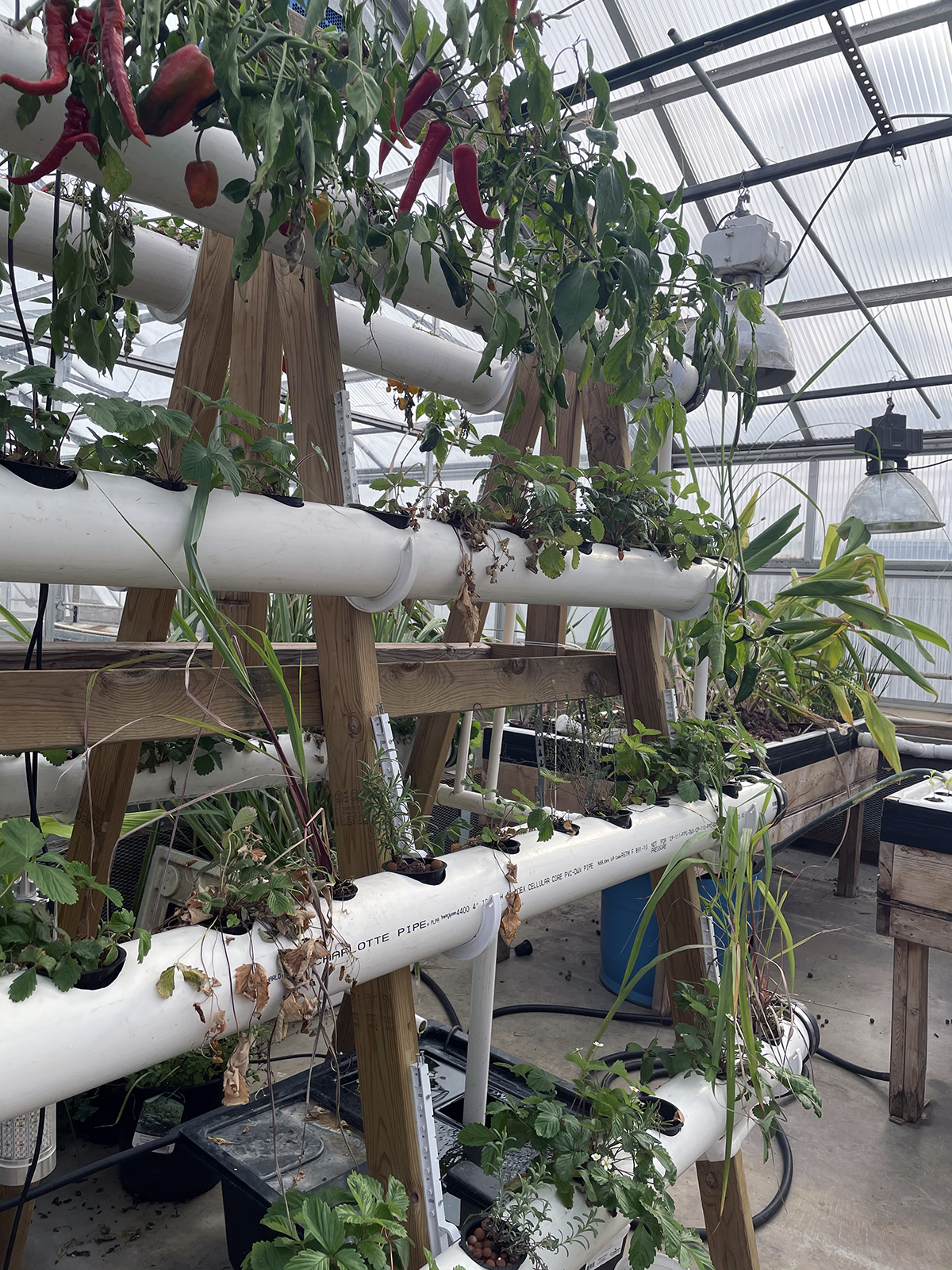
Learn all about commercial hydroponics with this comprehensive guide to greenhouse hydroponics. Discover the benefits of growing peppers in a modular hydroponic setup. your own produce in an eco-friendly way!

Source: extension.umn.edu

9. Harvesting and Yield in Commercial Greenhouse Hydroponics Gardening

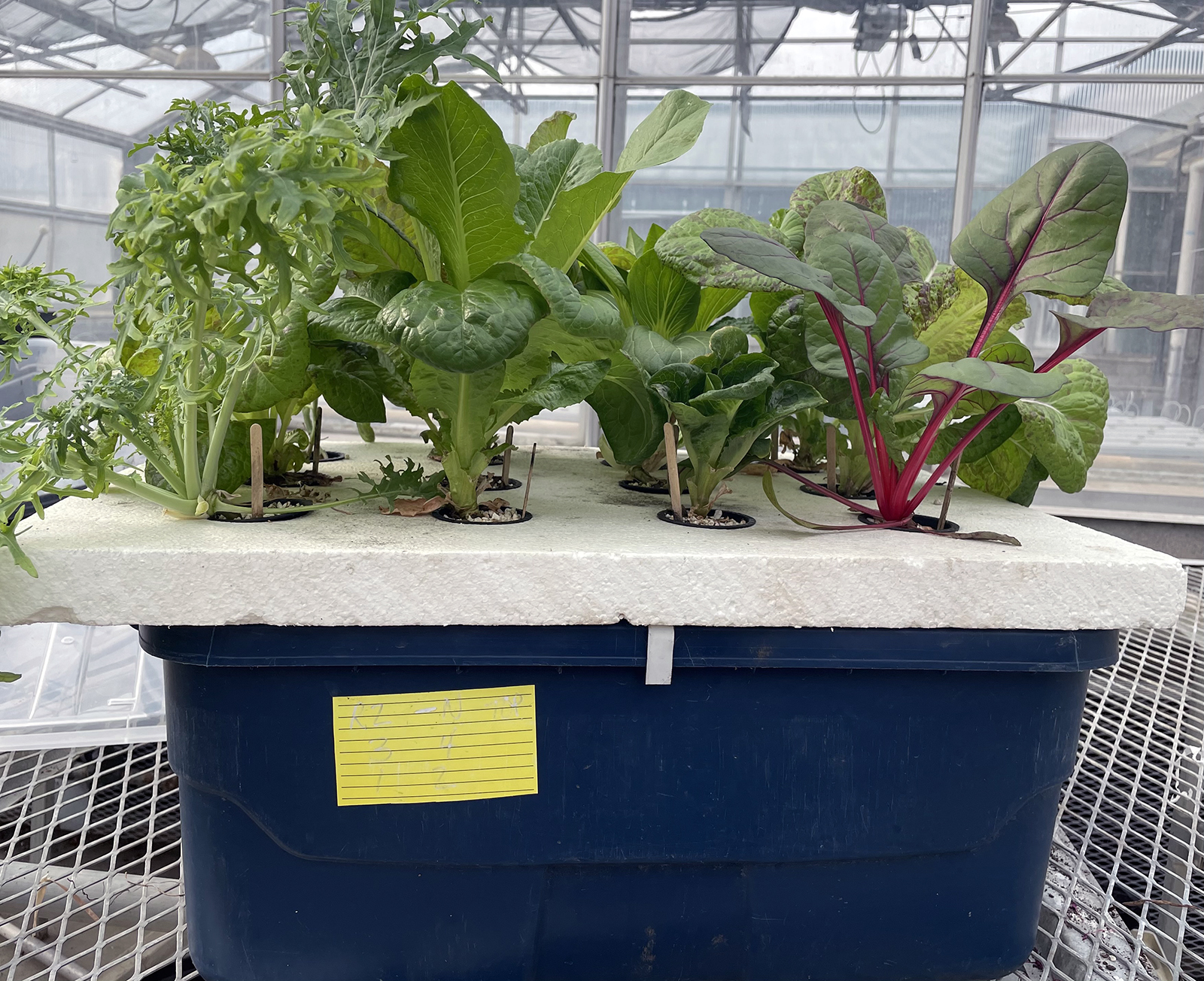
Hydroponic gardening offers a space-efficient and water-saving alternative to traditional soil-based gardening. One popular method is using deep water culture (DWC), where plants are suspended above a tank of water, allowing their roots to absorb nutrients directly from the water. A simple DWC setup can be achieved using a 5-gallon bucket Use a turn-key solution or a plastic storage bin which we've manufactured into a drip system with net pots placed in a Styrofoam lid for plant support.

When growing tomato in indoor growing setups or existing greenhouse, plants hydroponically, it is essential to select the right container size based on the plants' maturity and incorporate an effective support structure, such as extruded polystyrene sheets or PVC tubes. In addition, consider the following factors:

- Cost, aesthetic appeal, and space efficiency - Optimal nutrient uptake through silica supplementation

Adding silica to your hydroponic system can provide various benefits, including:

- Improved plant growth and resilience due to strengthened cell walls - Enhanced nutrient uptake, resulting in improved plant growth and higher-quality crops - Increased resistance to pests and diseases

Incorporating silica in your hydroponic system will not only yield healthier plants but also maximize your harvest. As you successfully navigate the world of hydroponicsWith the vision of higher crop quality, it is important to plan for the future. In our next section, we will discuss the future of commercial hydroponics in agriculture and the role it plays in sustainable food production.

Learn all about commercial hydroponics with this comprehensive guide to greenhouse hydroponics. Discover the benefits of growing your own produce in an eco-friendly way!

Source: www.growspan.com

10. Conclusion: Future of Commercial Greenhouse Hydroponics in Agriculture

In conclusion, the future of commercial hydroponics in agriculture is promising, as it offers sustainable solutions to the challenges the world is facing due to traditional agricultural practices. Some key facts to note are:

- By 2050, a significant amount of non-frozen land will be needed to meet the global population's calorie needs. - Deforestation, a major driver of biodiversity loss and carbon emissions, is mainly caused by the expansion of agricultural land. - Climate change threatens the An overview of traditional farming methods vs yields from commercial growing systems. agriculture, exacerbating food insecurity in already vulnerable regions. - The COVID-19 pandemic has highlighted the risks associated with encroaching on natural ecosystems, primarily pushed by the necessity for more agricultural land for growing higher quality fruits and vegetables.

Hydroponic farming, a form of controlled environment agriculture (CEA), can address many of these issues by significantly reducing the resources and land needed for growing food. This innovative approach eliminates the need for soil and pesticides, minimizes water usage, and allows for year-round production in any climate. Moreover, indoor Vertical farming utilizing commercial growing systems reduces the risk of crop loss from pest invasions, weather extremes, and other environmental factors while preventing deforestation and reducing our carbon footprint.

In our next section, we will delve deeper into the specific applications of hydroponic technology, discussing how it can benefit small and medium-sized operations. Discover the advantages it brings and the potential it holds to revolutionize the agricultural landscape for generations to come. 

FAQ: 

Which hydroponic system is best for commercial?

 When considering which hydroponic system is best for commercial use, several factors must be taken into account. The most important considerations include efficiency, scalability, and ease of maintenance. NFT (Nutrient Film Technique) systems are popular in commercial operations due to their high efficiency and ability to scale up for larger production. These systems use a shallow stream of nutrient-rich water that flows along a flat surface, providing a constant supply of nutrients to the plants' roots. Additionally, NFT systems are relatively easy to maintain and require minimal labor, making them an attractive option for commercial growers. However, it is important to carefully assess the specific needs and constraints of the commercial operation before making a decision, as factors such as available space, budget, and plant type can all impact the best choice of hydroponic system. 

Is hydroponics commercially viable?

Hydroponics, the method of growing plants without soil, has gained attention in recent years for its potential commercial viability. With the ability to control environmental factors such as nutrient levels, temperature, and light, hydroponic systems can produce high-quality crops in a more efficient and sustainable manner. This method also allows for year-round production and the ability to grow crops in areas with limited arable land. However, the initial investment in hydroponic systems can be costly, and proper management and expertise are crucial for successful commercial operations. While the potential for high yields and resource efficiency make hydroponics an attractive option, careful consideration of costs and market demand is essential in determining its commercial viability.

What are the most profitable plants to grow hydroponically?

When considering the most profitable plants to grow hydroponically, it is important to evaluate factors such as market demand, labor and production costs, and potential yields. High-value crops like herbs, leafy greens, and specialty fruits such as strawberries and tomatoes are often considered the most profitable options for hydroponic cultivation due to their high market prices and production efficiency. 

  1. https://www.burpee.com/commercial-gardening: CropKing, similar to Burpee, offers a commercial gardening section on their website where you can find seeds, plants, and gardening supplies specifically tailored for hydroponic and indoor commercial growers.
  2. https://www.johnnyseeds.com/growers-library/commercial-growerJohnny's Selected Seeds provides a special section for commercial growers which allows growers to find resources, tools, and a wide assortment of seeds suitable for commercial gardening ventures.
  3. https://www.growerssupply.com/Commercial-Agriculture provides technical support for growers looking for solutions.: Growers Supply specializes in providing commercial agriculture solutions, including greenhouse structures, hydroponics systems, and other products to support large-scale gardening operations.

https://hydroponicharmony.com/greenhouse-hydroponics/?feed_id=4445&_unique_id=65f5950e52785

15 Surprising Pros & Cons of Hydroponic Farming

Welcome to the world of hydroponic farming, where soil takes a backseat and plants thrive in innovative ways. Unlocking the secrets of pl...