Showing posts with label Verticalfarming. Show all posts

Monday, March 18, 2024

America's Role in the Vertical Farming Revolution 2023

Imagine a future where America leads the way in adopting innovative agricultural practices like vertical farming, revolutionizing the way we produce fresh, healthy, pesticide-free produce. In this visionary world, vertical farming utilizes a fraction of the land and water compared to traditional methods. Cities across America harness this technology to locally produce their own food, drastically reducing the need for long-distance transportation and consequently cutting down on carbon emissions. Vertical farming, adaptable to any climate, ensures year-round crop cultivation, bolstering food security and contributing to a greener planet. This may seem like an idealistic scenario, but the transformative potential of vertical farming is undeniable. Read on to discover why vertical farming is poised to be a game-changer, not only in how we cultivate our food but also in how we shape our future in America and beyond.

Vertical farming
Vertical farming is the practice of growing crops in vertically stacked layers. It often incorporates controlled-environment agriculture, which aims to

Vertical farming is the future of food production. Find out why this sustainable and efficient agricultural method is crucial for meeting the demands of a growing population.
Source: thehill.com

1. Introduction: Why Vertical Farming Matters

Vertical farming matters today more than ever, as it is an step toward creating a more sustainable and efficient food production system for the future. Some key aspects that highlight its importance include:

• Addressing Food Security: The United States Department of Agriculture (USDA) is committed to exploring vertical farming as a means of promoting food security across the nation. Workshops and funding opportunities are already in place to encourage research and development in this emerging field.

• Coping with Climate Change Challenges: As the world faces the consequences of a rapidly changing climate, the need to feed 10 billion people with limited resources becomes a pressing concern. Vertical farming offers a solution by using space in a more efficient manner, resulting in higher crop yields with less water and land use.

• Building on Historical Agricultural Practices: The concept of vertical farming is not entirely new, as we can see in historical examples such as the Babylonian Hanging Gardens, the Mesoamerican Aztec floating gardens and the walled gardens in 17th century France and the Netherlands. These innovations paved the way for controlled environment agriculture (CEA) that we see today.

• The Advantages of Controlled Environment Agriculture: CEA allows for customization of individual plant needs, optimizing growth and productivity. Vertical farming, as an extension of CEA, maximizes space usage by stacking crops vertically, thereby considerably increasing overall production per acre.

In conclusion, the significance of vertical farming lies in its potential to bring forth a more sustainable and efficient future for food production. By harnessing its advantages and learning from historical agricultural practices, we can aim to reshape the food system for the better. [1][2]

Vertical Farming is the revolutionary way of producing food that could be the future of agriculture. Learn more about its potential and benefits here!
Source: climatechampions.unfccc.int

2. The Limits of Traditional Farming Operations

The Limits of Traditional Farming Operations

Traditional farming operations face numerous challenges, including land limitations, seasonality, and environmental impact. However, vertical farming offers a promising solution to overcome these challenges. Here are some of the advantages:

- Efficiency: One acre of vertical farming can provide the produce equivalent to between 4 to 6 acres of conventional production, ensuring better utilization of space and resources. - Better control and stability: With Controlled Environment Agriculture (CEA) systems, production is not vulnerable to variability factors such as climate or pests and pathogens, offering a more stable model for reliable food production. - Environmental benefits: Vertical farming uses 70-80% less water and reduces nutrient loss to the environment. It also addresses the global problem of nitrogen loss (around 50%), which poses environmental and human health risks. - Improved security and safety: High levels of control in CEA systems reduce the interaction between crops and pests or pathogens, increasing food security and safety. In extreme instances, production can be resumed in the short-term, unlike in traditional agriculture where it often leads to a lost year. - Life cycle analysis (LCA) shows CEA systems offer improved resource efficiency, reducing adverse environmental impacts while maintaining high-quality yield.

Implementing vertical farming as an alternative to traditional farming operations presents an opportunity for increased efficiency, quality, and environmental benefits, ultimately addressing the growing need for food security as the global population continues to rise. [3][4]

Vertical farming is quickly becoming the future of food production. Learn why this innovative and sustainable approach to growing food is revolutionizing the industry.
Source: inhabitat.com

3. Vertical Farming as a Solution for Sustainability

Vertical farming is a highly efficient and sustainable way of producing food that offers several advantages over traditional agriculture. As a solution for sustainability, this innovative method has gained significant attention in recent years. Some key points to consider include:

- Vertical farms grow plants indoors in layers using LED lighting and controlled growing and nutrition systems. This allows for a more efficient use of space and reduces the need for pesticides in food production. - Europe's largest vertical farm, developed by Nordic Harvest, is capable of producing 1,000 tonnes of food per year. This showcases the potential for large-scale food production using vertical farming methods. - The technology used in vertical farms, such as software, robotics, and data science, enables precise control of the growing environment. This helps to reduce the environmental impact of food production and eliminate the need for harmful pesticides. - Through vertical farming, fresh produce can be grown year-round, regardless of season or weather conditions. This ensures a steady supply of food and contributes to greater food security. - Vertical farming can potentially reduce the need for transporting produce over long distances, as it can supply locally-grown food. This results in fresher food and lowers the amount of fuel used during transportation.

Despite the potential benefits of vertical farming, there are challenges such as the high cost of technology and real estate, along with energy consumption. However, the industry is growing rapidly, indicating that vertical farming has a promising future in addressing the world's food sustainability needs. [5][6]

Vertical Farming is the future of food - learn why this revolutionary approach to agriculture is set to revolutionize our food systems and provide sustainable solutions for a growing population.
Source: images.squarespace-cdn.com

4. Overcoming Challenges with Climate Change

Climate change poses numerous challenges to traditional farming, such as unpredictable weather patterns, leading to droughts, floods, and storms. Vertical farming offers potential solutions to overcome these challenges. By elevating agriculture to indoor facilities, vertical farming enables:

- Controlled environments: Farmers are no longer at the mercy of unpredictable weather patterns by growing crops indoors in climate-controlled spaces. - Efficient resource management: Vertical farming maximizes natural resources by using 70-80% less water and reducing land requirements by 10-20 times compared to conventional farming. - Reduced environmental impact: The precise control of resources in vertical farming minimizes nutrient losses to the environment, emissions of greenhouse gases, and the use of pesticides and fertilizers. - Improved food security: The ability to grow crops in any season and weather conditions makes vertical farming a more stable model for future food production. Moreover, the production of healthy and nutritious food is more accessible and affordable, even on low-value lands.

Vertical farming is a promising future for food production, offering enhanced efficiency, quality, and sustainability, as well as addressing food insecurity and inequity. With a growing global population, the need for innovative solutions has never been more vital to feed billions of people while minimizing the impact on our planet. Vertical farming stands as a beacon of hope for a sustainable and secure food future. [7][8]
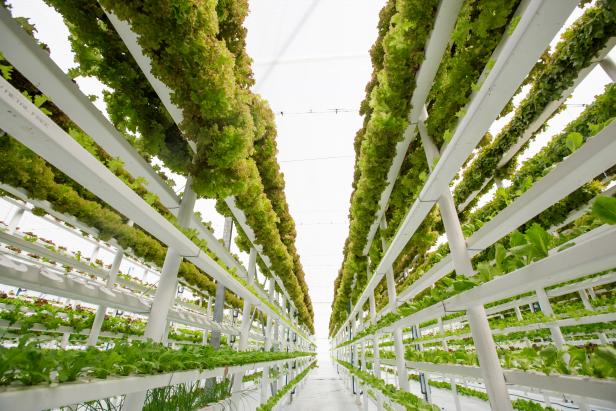
Discover why vertical farming is the future of food production. Learn the advantages of this sustainable and efficient agricultural method, and how it can help shape a better food system.
Source: discovery.sndimg.com

5. Advantages of Indoor Controlled Environments

Vertical farming has taken the world by storm owing to its numerous advantages, especially when it comes to indoor controlled environments. Some of these benefits include:

- Optimized space utilization leading to much higher food production per square meter of land. This process uses stacking techniques, allowing 75 times more food to be produced for the growing urban population.

- Indoor vertical farming reduces overall water usage by up to 90% by accurately determining the precise moisture balance needed for each crop. This method is highly sustainable and helps in water conservation.

- The controlled environment ensures a safer product reaches our plates by reducing the threat of pollution and the risk of illness. This improved crop quality contributes to feeding more people with healthier, nutrient-rich food.

- Vertical farming is environmentally friendly as it excludes pesticides from the process, reducing the impact on the environment and promoting greener, sustainable farming solutions.

- Proximity to the market minimizes transportation costs, CO2 emissions, and the need for refrigerated storage, resulting in fresher produce. This approach also significantly reduces the massive fossil fuel consumption typically required for traditional farming equipment.

To conclude, indoor vertical farming is a game-changer when it comes to addressing the world's food demands in an environmentally friendly, sustainable manner. Vertical farming's many advantages show great promise in providing a secure future for food production and catering to the needs of an ever-growing population. [9][10]
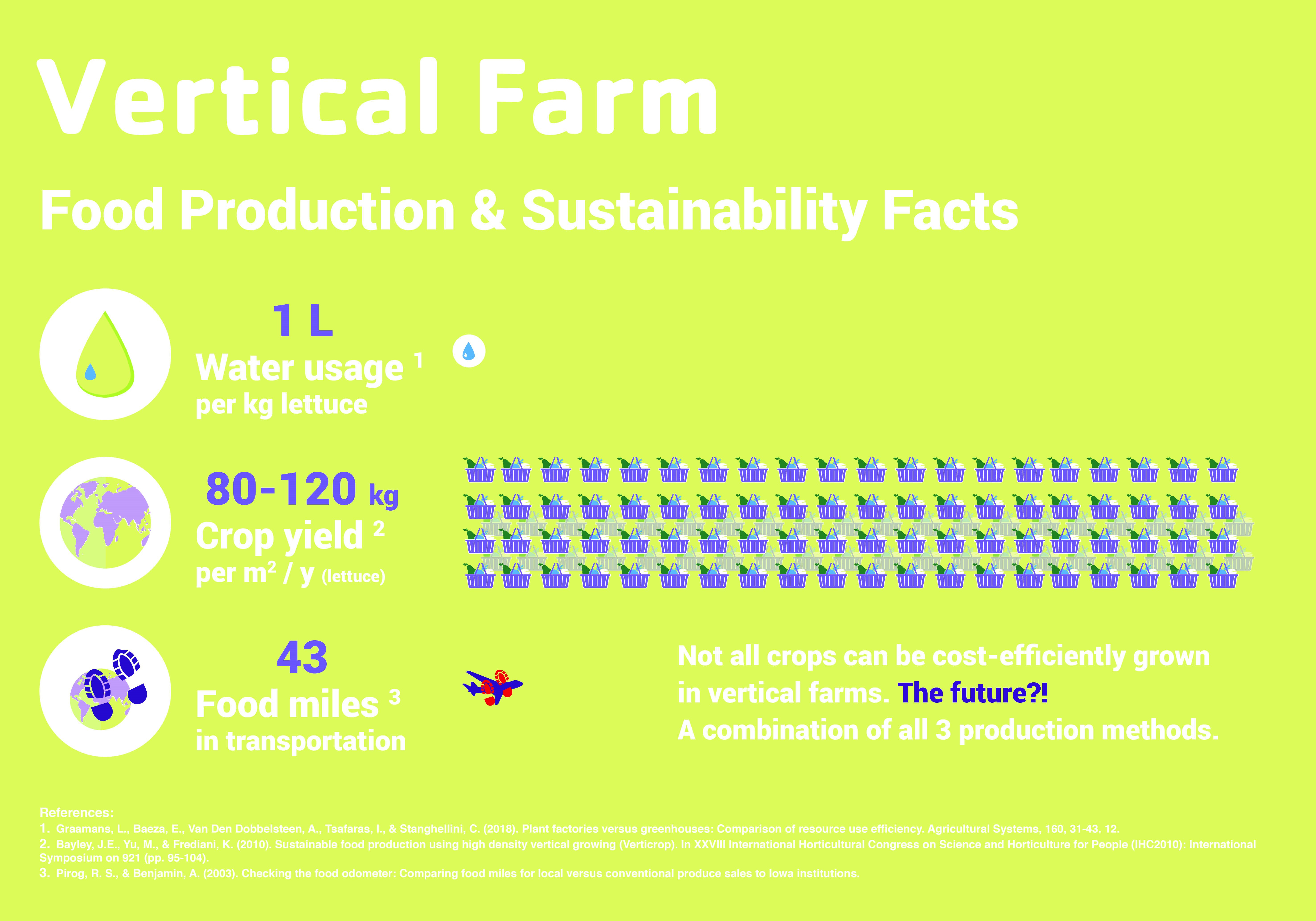
Vertical farming is the future of food: learn why it's a sustainable, cost-effective solution for growing fresh produce all year round.
Source: www.eitfood.eu

6. Increased Efficiency and Quality in Food Production

Vertical farming offers various benefits that contribute to increased efficiency and quality in food production:

- Enhanced Resource Utilization: Vertical farming enables spatial efficiency by occupying up to 0.02% of the space as compared to traditional methods for the same amount of produce. By stacking crops, the agricultural space can be condensed significantly.

- Reduced Water Consumption: Indoor farming methods use up to 90% less water than conventional techniques. Most of the water can be recirculated in irrigation systems to minimize waste, addressing the water overconsumption issue.

- Improved Soil Health: Traditional horizontal agriculture has led to land degradation, soil contamination, and water pollution. Vertical farming provides a sustainable alternative without compromising soil health and quality.

- Year-Round Production: Controlled Environment Agriculture (CEA) allows optimization of plant growth conditions, resulting in the consistent production of various crops throughout the year. This eliminates the constraints of seasonal dependencies in food supply.

- Location Proximity: Vertical farms allow for food production to be geographically closer to points of consumption, improving freshness and reducing transportation emissions.

- Pesticide-Free: Indoor farming eliminates the need for pesticides in crop growth, ensuring a safer and eco-friendly food production process.

However, vertical farming still faces challenges, such as high energy demands for cooling and dehumidification. It generally focuses on specific types of crops, like leafy greens, limiting the overall food diversity. Nevertheless, innovative technology advancements, such as energy-efficient LED lights and automated climate control systems, hint at a promising future for vertical farming in revolutionizing the food production landscape. [11][12]

Learn why Vertical Farming is the future of food. Discover the sustainable, affordable and efficient benefits of this revolutionary approach to farming that helps address global food security.
Source: u4d2z7k9.rocketcdn.me

7. Reduced Environmental Impact with Vertical Farming

Reduced Environmental Impact with Vertical Farming

Vertical farming offers a sustainable approach to agriculture, addressing the challenges of feeding an ever-growing population. The salient features and benefits of this modern farming technique include:

- A controlled environment: Farmers can grow crops indoors, making them less dependent on weather conditions. This enables more consistent production and quality.

- Efficient use of resources: Vertical farming systems generally use less water, fertilizer, and eliminate the need for pesticides. Furthermore, vertical farms can be built in urban areas, minimizing transportation needs and reducing overall carbon emissions.

- Enhanced food quality and safety: As plants are grown indoors, processes that can degrade nutritional value, such as chlorine baths for leafy greens, are not necessary. This leaves more of the plant's nutrition intact.

Vertical farming can contribute significantly to food sustainability goals:

- Improved nutrition targets: Indoor vertical farms can help grow more nutritious foods while using fewer resources and requiring less land.

- Shorter supply chains: By constructing vertical farms closer to densely populated areas, healthier food choices can become more accessible and affordable as transportation costs decrease.

- Supporting local communities: This approach can create a more equitable food system by reaching historically underserved communities and providing fresher, healthier food options at more affordable prices.

The global vertical farming market is expected to grow rapidly, reaching approximately $20 billion by 2025. This growth is driven by increasing consumer awareness about the environmental impact of traditional agriculture and the need for innovative, sustainable, and efficient farming techniques, such as vertical farming, in the fight against climate change and resource depletion. [13][14]

Vertical farming is the future of food, with more efficient use of resources and potential to produce higher yields. Discover why this innovative approach is changing the way we think about growing food.
Source: www.thelancet.com

8. Addressing Food Insecurity and Inequity Across the Globe

Addressing food insecurity and inequity has become a major global challenge. One promising solution is vertical farming, which utilizes advanced technology to increase agricultural production in urban settings. Here are some key points about how vertical farming can contribute to addressing these pressing issues:

- Conventional farming struggles to keep up with the growing global population and changing environmental conditions. Vertical farming offers a more sustainable alternative, capable of meeting the increasing food demands as the global population is projected to rise to 9.7 billion in 2050. - Vertical farms use up to 90% less water compared to traditional agriculture, conserving valuable resources and reducing the overall costs of food production. - Improved supply chain efficiency is observed in vertical farming, as perishable crops have a lower chance of spoiling during harvesting, packaging, processing, and distribution. This results in a reduction in food waste and ensures access to fresh produce for many communities. - Vertical farming can provide fresh, healthy food options for low-income families in both industrialized and developing countries helping to combat malnutrition and food-related diseases such as obesity and diabetes. - Climate change and extreme weather events have made agriculture increasingly vulnerable. Vertical farming enables predictable and consistent production, irrespective of weather conditions and natural disasters.

Despite the high upfront investment required, vertical farming has gained significant attention, with leading indoor farming operations raising over $500 million each. As the world searches for innovative solutions to address food insecurity and inequality, vertical farming emerges as a promising approach that can have a lasting impact on the future of food production. [15][16]

Vertical farming is the future of food production. Learn why this innovative growing solution can provide sustainable food sources and how it can benefit our world.
Source: inhabitat.com

9. Future Opportunities for Vertical Farming Investment

As the global population continues to increase, the demand for food is projected to reach unprecedented levels. Traditional agriculture faces numerous challenges, such as climate change, resource management and environmental impact, and unequal access to healthy food. Addressing these issues may require innovative solutions like vertical farming.

Vertical farming involves growing crops indoors in vertical layers, using LED lighting and controlled growing and nutrition systems. These facilities offer several benefits:

- Efficient use of space, producing more food in less area. - Sustainable practices, using 250 times less water than traditional farms. - Elimination of pesticide use, thanks to controlled environments. - Year-round production of fresh produce.

These advantages make vertical farming a promising solution for a more sustainable global food supply. In addition to reducing the environmental impact of agriculture, vertical farms can also contribute to improved food equity by making healthier choices more accessible and affordable to a wider range of communities.

The vertical farming market is expected to grow significantly, from $5.5 billion in 2020 to around $20 billion by 2025. This growth is driven by increasing investment in vertical farming technology and heightened consumer awareness about the environmental impact of food production.

However, cost remains a significant hurdle to widespread adoption of vertical farming. High expenses for real estate, technology, and energy are among the challenges that need to be addressed for vertical farming to become a truly global solution.

In conclusion, vertical farming offers great promise as a sustainable and efficient approach to food production. With continued investment and advancements in technology, it has the potential to revolutionize agriculture and help meet the growing demands of our global population. [17][18]
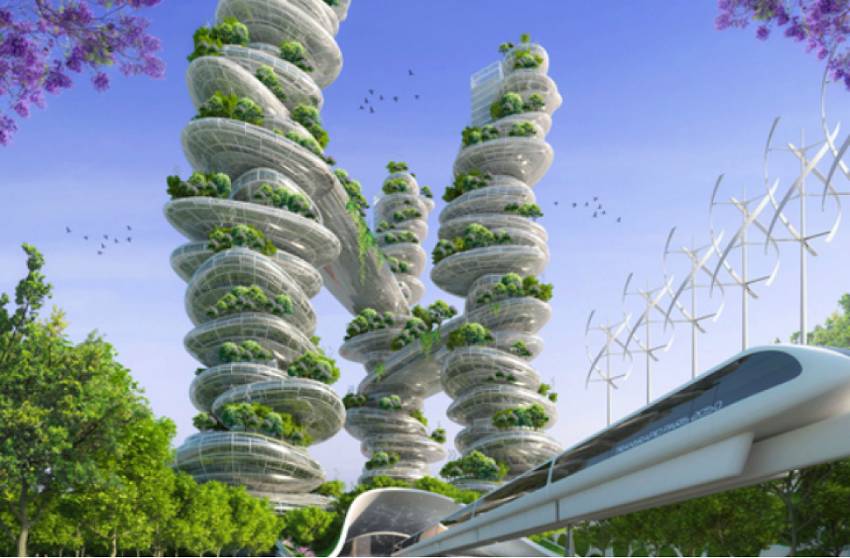
Vertical farming has the potential to revolutionize how we produce food. Learn why it's the future of food production - from sustainability benefits to cost-effectiveness!
Source: www.lifeadvancer.com

10. Conclusion: The Promise of Vertical Farming for the Future of Food

In conclusion, vertical farming holds immense promise for the future of food production. By leveraging advanced technology and efficient techniques, this innovative farming method offers numerous benefits that can revolutionize the way we produce and consume food.

Key points to consider about vertical farming include: * Efficient use of space: Vertical farming allows for a substantial amount of agricultural space to fit into much smaller physical spaces, creating more food in less space. * Reduced carbon emissions: The agriculture industry generates approximately 8.5% of global annual emissions; adopting vertical farming can significantly reduce this percentage. * Lower water consumption: Vertical farming systems use up to 90% less water compared to traditional agricultural methods, promoting sustainable water usage. * Improved soil health: Conventional farming methods have led to increased land degradation, soil and water contamination. Vertical farming can prevent further damage to our planet's soil health. * Year-round crop production: Vertical farming enables continuous crop growth, free from seasonal limitations, ensuring a reliable food supply throughout the year.

Although challenges remain, such as high initial costs and reliance on non-renewable energy sources, the global vertical farming market is expected to grow from $5.5 billion in 2020 to around $20 billion by 2025. There is no doubt that vertical farming will play a pivotal role in addressing the increasing demand for food while simultaneously reducing the environmental impact of agriculture. As more people embrace this cutting-edge farming method, we can strive towards a healthier, safer, and more sustainable world. [19][20]

as we examine the transformative potential of vertical farming and its impact on the future of food, it is evident that America plays a crucial role in this agricultural revolution. With its diverse landscapes, innovative spirit, and commitment to sustainability, America is poised to lead the way in advancing vertical farming technologies and practices. As the nation continues to address the challenges of food security, environmental sustainability, and efficient resource utilization, vertical farming stands as a beacon of hope and progress. By harnessing the power of vertical farming, America can not only secure its own food supply but also inspire global change, ushering in a brighter, more sustainable future for food production on both a national and international scale

Thank you https://hydroponicharmony.com

https://hydroponicharmony.com/vertical-farming/?feed_id=5237&_unique_id=65f8c4c51d108

Saturday, March 16, 2024

Embarking on a journey with a greenhouse with hydroponic system means stepping into a realm of endless possibilities

Grow fresher, healthier plants faster with a greenhouse with hydroponic system. This method is not just a trend; it's a revolutionary way to maximize your garden's potential and reap the most bountiful and quality crop yield. It's time to elevate your gardening game to a whole new level.

Hello and a warm welcome to all the green thumbs and budding garden enthusiasts! Today, I am beyond excited to unravel the wonders of a groundbreaking phenomenon that is reshaping the agricultural landscape globally. Yes, you guessed it right; we are delving deep into the world of merging hydroponic systems with greenhouses, a combination that promises innovation, sustainability, and a transformative approach to how we cultivate our food.

Let's paint a picture of a farming utopia where efficiency meets sustainability, a place where water usage is reduced by a staggering 90% compared to traditional farming methods. Visualize a garden where lush, vibrant plants defy seasons, growing robustly all year round, unaffected by the unpredictable whims of weather. Imagine achieving unprecedented crop yields in confined spaces, without the detrimental effects of soil erosion or the need for pesticides. It might sound like a page from a futuristic novel, yet this is the reality we are stepping into, a reality where a greenhouse with hydroponic systems is not just a possibility but a thriving, tangible truth.

As we embark on this enlightening series of articles, we aim to guide you through the remarkable journey of greenhouse with hydroponic farming. A journey where we unlock the untapped potential of plants through a harmonious marriage of hydroponics and greenhouse technologies, paving the way for a revolution in farming practices worldwide. Stay tuned as we unravel the secrets to achieving a garden that is not only productive but also kind to our planet, a true testament to human ingenuity and a beacon of sustainable agriculture.

Discover the power of growing with hydroponics in a greenhouse! Learn how to optimize your growing environment and maximize your yield with a top-quality hydroponic system.

Imagine venturing into a haven where the ambiance is perpetually warm, the foliage is evergreen, and a bounty of fresh fruits and vegetables are at your disposal throughout the year. This is not a figment of imagination but a tangible reality in a greenhouse with hydroponic system! This amalgamation of two brilliant cultivation techniques crafts an ecosystem that not only challenges the conventional growing seasons but also pioneers a revolutionary pathway in the agricultural sector.

Let's unravel the magic that unfolds in the greenhouse, a specially designed enclosure that fosters the ideal conditions for plant growth. It captures the essence of the sun, offering a warm sanctuary even in the cold grips of winter. The true marvel, however, lies in its union with the hydroponic system, a groundbreaking approach that substitutes soil with a water solution rich in nutrients. This method facilitates a more efficient nutrient absorption process compared to soil cultivation, promising accelerated growth and enhanced yields. Furthermore, the absence of soil eradicates common challenges such as pest infestations and diseases, paving the way for a healthier crop.

Delving deeper, we find that the hydroponic system grants us the privilege to dictate every facet of plant nutrition meticulously. From fine-tuning pH levels to administering the precise nutrients at the opportune moments, it ensures that plants receive tailored care, optimizing their growth potential. The elimination of soil from this equation also heralds a new era of water conservation, as it prevents ground absorption and promotes water recycling within the system, championing sustainability in agriculture.

Taking a step further, integrating these systems within a greenhouse with hydroponic setup elevates the cultivation process to unprecedented heights. It offers the luxury of modulating light exposure through adaptable shades, regulating temperature via heating and cooling systems, and maintaining ideal humidity levels through efficient ventilation. This empowers you to craft unique environments, customized to nurture different crop varieties, devoid of the disruptions caused by erratic weather conditions.

Picture yourself stepping into your personalized Eden, where succulent tomatoes dangle generously from the vines, neighboring crisp lettuce leaves that sparkle under gentle illumination, all while aromatic herbs occupy corners, releasing a burst of fragrant delight. This paradise is accessible at your fingertips, unaffected by the external climatic extremes, whether it's a blanket of snow or the scorching summer sun. This dream is being realized as we speak, courtesy of the innovative integration of greenhouse with hydroponic systems, reshaping our perception of food production and steering us towards a future of boundless agricultural possibilities.

Explore the benefits of having a greenhouse with a hydroponic system and learn how to maximize the potential of your plants' growth.

Harnessing the Power of Hydroponics in Greenhouses: A Revolutionary Approach

In the evolving landscape of agriculture, the integration of a greenhouse with hydroponic systems stands as a beacon of innovation, merging the nurturing environment of a greenhouse with the efficiency of hydroponic farming. This approach is not just a trend but a substantial shift towards sustainable and productive agriculture, garnering attention and appreciation globally.

The inception of this method is rooted in the desire to overcome the limitations of traditional farming, and the results are nothing short of remarkable. The elimination of soil from the equation eradicates the necessity for conventional fertilizers, paving the way for a reduction in both financial and environmental costs. Moreover, the hydroponic system champions water conservation, utilizing it far more efficiently than traditional irrigation methods, thereby presenting a solution that is both eco-friendly and economical.

But the marvels of a greenhouse with hydroponic systems don't end here; it grants growers an unprecedented level of control over the environmental factors influencing plant growth. From fine-tuning the temperature and humidity to meticulously managing the nutrient levels and pH balance, every aspect is modifiable to ensure optimal plant health. This meticulous management translates to plants that are not just healthier but yield more at the time of harvest, a dream come true for every cultivator.

Furthermore, the financial implications of adopting a greenhouse with hydroponic systems are profoundly positive. The system demands fewer inputs in terms of water and nutrients, significantly reducing the operational costs. Moreover, it negates the necessity for chemical pesticides and herbicides, and circumvents energy-consuming irrigation practices, thereby reducing the carbon footprint of the farming process.

In conclusion, the greenhouse with hydroponic system emerges as a frontrunner in the agricultural revolution, offering a plethora of benefits that transcend the boundaries of traditional farming both economically and environmentally. It stands as a testimony to what is achievable when innovation meets agriculture, promising a future of farming that is not just sustainable but also incredibly rewarding. It is a venture that beckons every aspiring gardener and farmer to explore and embrace the future of agriculture.

Discover how to create the perfect home-grown produce with a greenhouse equipped with a hydroponic system. Learn more today!

Unlocking Plant Potential: The Synergy Between Greenhouse and Hydroponic Systems

In the quest to unleash the utmost potential of plants, the fusion of greenhouse with hydroponic systems has emerged as a beacon of innovation, turning the dreams of many gardeners into a tangible reality. This amalgamation has given birth to a nurturing haven where plants can flourish unrestrained by the limitations of soil and sunlight. By meticulously managing the variables such as temperature, humidity, and nutrient distribution, one can sculpt an environment that caters to the specific needs of a wide array of plant species, fostering optimal growth and development.

The harmonious integration of greenhouse with hydroponic systems has paved the way for a farming revolution, enabling the maximization of yields while drastically reducing the necessary inputs, notably water. This approach stands as a pillar of sustainable agriculture in today's world, promising bountiful harvests without the hefty resource expenditure traditionally associated with farming. It not only alleviates the environmental burden but also offers a cost-effective solution, curtailing the energy demands that have long been a staple in conventional agriculture.

Delving deeper into the myriad benefits that a greenhouse with hydroponic systems brings to the table, one cannot overlook the enhanced root health attributed to the increased oxygen availability, a hallmark of hydroponic cultivation. This, coupled with superior nutrient absorption from the specially formulated solutions, results in unprecedented yields, a boon for growers aiming for high productivity. The greenhouse structure stands as a sentinel, shielding the plants from adverse climatic conditions, and granting the cultivator the power to control the environmental parameters throughout the year, a privilege unbounded by geographical location.

In conclusion, if the aspiration is to unlock the latent potential of your plants, venturing into the realm of greenhouse with hydroponic systems is the pathway to success. This symbiotic relationship between the greenhouse and hydroponic technologies offers opportunities that are unparalleled, ushering in a new era of gardening that is characterized by efficiency, sustainability, and remarkable yields. It is an invitation to gardeners and farmers alike to step into the future of agriculture, a future replete with possibilities and rich rewards.

Start growing your own produce in a greenhouse with hydroponic system. Learn more about this innovative way to cultivate and harvest plants quickly and easily.

Why Choose a Hydroponic System for Your Greenhouse? Exploring the Benefits

If you're looking for an efficient and sustainable way to grow plants in your greenhouse, then a hydroponic system is the perfect choice. Hydroponics offers many benefits that traditional soil-based gardening can't match. Here are just a few of the reasons why you should choose a hydroponic system for your greenhouse: 1) Faster Growth – With hydroponics, plants can reach maturity up to 50% faster than with conventional soil-based growing methods. This means that you'll be able to enjoy fresh fruits and vegetables much sooner! 2) Less Water Usage – Because there's no need for soil, water usage is greatly reduced when using a hydroponic system. This makes it an ideal choice if you're trying to conserve resources or live in an area with limited access to water. 3) More Nutrients – Plants grown in a hydroponic environment have access to more nutrients than those grown in soil because they don't have to compete with other organisms or break down organic matter into usable forms of nutrition like they do when planted directly into the ground. As such, plants grown using this method tend be healthier and produce higher yields than their counterparts grown traditionally outdoors or indoors without supplemental lighting systems like LED grow lights. 4) Easier Maintenance – Since there's no need for weeding or tilling soils as often required by traditional gardening methods, maintenance costs associated with running a successful greenhouse operation are significantly lower when using this type of setup compared other options available on the market today. Overall , choosing ahydro pon ic sys tem fo ryou rgreenh ouse offe rsmany benef its tha tcanno tbe matched by any other option out there today. Not only will it help reduce resource consumption while increasing yield potential but also make managing your indoor garden easier overall !

Discover how to create a sustainable hydroponic greenhouse that can provide you with fresh, organic produce year-round. Learn all the tips and tricks today!

Step-by-Step Guide to Setting Up Your Own Greenhouse with Hydroponic System

Are you looking to take your gardening game up a notch? Setting up your own hydroponic greenhouse system is the perfect way to do just that! Not only will you be able to grow plants and vegetables faster, but it’s also an incredibly rewarding experience. Here’s a step-by-step guide on how to get started with setting up your own hydroponic greenhouse system. First, decide what type of hydroponics setup you want for your greenhouse. There are several different types available such as deep water culture (DWC), nutrient film technique (NFT), ebb and flow systems, aeroponics, and wick systems. Each one has its own advantages and disadvantages so make sure you research them thoroughly before making a decision. Next, choose the right location for your greenhouse in order to maximize sunlight exposure while minimizing wind damage or other environmental factors that could affect growth rates or crop yields. You should also consider any local regulations regarding greenhouses in order ensure compliance with those laws when building yours. Once you have chosen the right spot for your new project it's time to start planning out the structure itself - this includes deciding on materials like wood or metal framing as well as insulation options such as polyethylene sheeting or bubble wrap if needed depending on where you live geographically speaking of course! After all these decisions have been made then comes construction which can range from simple DIY projects using pre-made kits all they way through hiring professionals who specialize in custom builds depending upon budget constraints etcetera... Now onto selecting equipment: pumps/aerators/filters/heaters etcetera - again there are many different brands available so research each one carefully before committing yourself financially here too; don't forget about lighting either because proper illumination is essential when growing indoors under artificial conditions like this! Finally after everything else has been taken care of then comes stocking up with nutrients & supplies necessary for successful plant cultivation inside said environment – things like pH meters soil testers thermometers humidity gauges etcetera… Congratulations – now that everything is set up properly it's time enjoy watching nature at work within her very own self contained ecosystem created by none other than YOURSELF!!

Grow fresh, organic produce in your own backyard with a greenhouse featuring a hydroponic system! Learn more about this efficient and sustainable way of gardening.

Overcoming Traditional Farming Challenges with Greenhouse Hydroponics

Farming has been around for centuries, but the challenges it faces today are more complex than ever. From climate change to water shortages and soil degradation, traditional farming methods are becoming increasingly difficult to sustain. But there is hope! Greenhouse hydroponics offers a revolutionary way of growing crops that can help overcome these traditional farming challenges. Hydroponic systems use nutrient-rich solutions instead of soil to grow plants in greenhouses or other controlled environments. This allows farmers to control temperature, humidity and light levels while avoiding pests and diseases that would otherwise affect their crops outdoors. With this method, farmers can produce higher yields with fewer resources – making it an incredibly efficient way of producing food without compromising quality or taste! The benefits don’t end there either; greenhouse hydroponics also helps reduce water usage by up to 70%, meaning less strain on natural resources like rivers and lakes as well as reducing the amount of fertilizer needed for crop production. Not only does this save money in the long run but it also reduces environmental impacts associated with conventional farming practices such as runoff pollution from fertilizers entering waterways or air pollution from burning fossil fuels used in machinery operations. Greenhouse hydroponics is revolutionizing agriculture by providing a sustainable solution for overcoming traditional farming challenges – one that will benefit both our planet and its people alike!

  1. How To Set Up Hydroponics in a Greenhouse: This link provides information on setting up a hydroponic system in a greenhouse, including the basics of hydroponic gardening and tips on choosing the right option for you​1​.
  2. Greenhouse & Floriculture: Hydroponic Systems | Center for Agriculture: This page explains how the greenhouse and its environment control system work for both conventionally grown and hydroponic plants. It also highlights the advantages of hydroponic systems, such as greater plant density​1​.
  3. Hydroponic Greenhouse Systems & Kits | Rural Living Today: This site offers a simple explanation of hydroponic greenhouse systems, which involve growing crops in water. It also discusses the different growing mediums that can be used in these systems, such as clay pellets, rock wool, and coconut fiber​1​.
https://hydroponicharmony.com/greenhouse-with-hydroponic/?feed_id=4536&_unique_id=65f5f6d91f372

Thursday, March 14, 2024

Dive into the future of sustainable agriculture with this insightful look at innovative hydroponic technologies

Introduction

As a professional in the field of agriculture, I am always looking for innovative solutions that can help us achieve sustainable practices. One such solution that has been gaining popularity is hydroponic technology. In this article, we will dive into the future of sustainable agriculture and explore the benefits and potential of hydroponic technologies.

Overview of the importance of sustainable agriculture and the need for innovative solutions like hydroponic technologies

Sustainable agriculture is becoming increasingly crucial as we face challenges such as climate change, population growth, and limited resources. We need to find ways to grow food that is environmentally friendly, economically viable, and socially responsible.

Hydroponic technologies offer a promising solution to these challenges. By growing plants in a controlled environment without soil, hydroponics maximize resource efficiency while minimizing environmental impact. This innovative approach allows for precise control of factors such as nutrient levels, water usage, and light exposure, leading to higher crop yields and faster growth rates.

In addition to its sustainability benefits, hydroponic farming also offers several advantages over traditional soil-based agriculture. These include the ability to grow crops in urban areas and regions with limited arable land, the reduction of pesticide and herbicide use, and the ability to produce crops year-round.

By embracing hydroponic technologies and other innovative solutions, we can revolutionize the way we grow food and create a more sustainable future for agriculture. The potential of hydroponics is vast, and it holds the key to feeding a growing global population while minimizing environmental impact.

Two robots are utilizing hydroponic technologies to plant plants in a garden.

Understanding Hydroponic Farming

When it comes to sustainable agriculture, one of the most innovative and promising technologies is hydroponic farming. As someone deeply passionate about sustainable farming practices, I have been exploring the world of hydroponics and its potential impact on our food production system.

Benefits of hydroponic farming for sustainable agriculture

  1. Conservation of water resources:In traditional soil-based farming, a significant amount of water is lost due to runoff and evaporation. Hydroponic systems, on the other hand, use up to 90% less water, making it a more water-efficient and environmentally friendly approach.
  2. Reduced reliance on pesticides:Hydroponic systems allow for better control over pests and diseases, reducing the need for harmful chemical pesticides. Integrated pest management techniques can be employed to ensure the health and quality of the crops, making hydroponics a safer and more sustainable option.
  3. Year-round production:Hydroponic farming is not limited by seasonal changes or geographic location. By providing a controlled environment, hydroponic systems enable year-round production, ensuring a consistent and reliable food supply even during adverse weather conditions or in regions with limited arable land.
  4. Higher crop yields:The optimized growing conditions in hydroponic systems, such as nutrient-rich solutions and precise climate control, result in significantly higher crop yields compared to traditional soil-based farming. This increased productivity can help meet the growing global demand for food while minimizing the need for additional land.

By embracing hydroponic farming, we can pave the way for a more sustainable and efficient agricultural system. Its water-saving capabilities, reduced pesticide usage, year-round production, and higher crop yields make it a compelling choice for the future of sustainable agriculture.

Advancements in Hydroponic Technologies

Overview of the latest innovations and technologies used in hydroponic farming

In the ever-evolving world of agriculture, hydroponics has emerged as a sustainable and efficient way to grow crops. This innovative method eliminates the need for soil, using nutrient-rich water instead.

Overview of the latest innovations and technologies in hydroponics

Various advancements have been made in hydroponic technologies to enhance crop production and minimize resource consumption. One such innovation is vertical farming, which involves stacking layers of plants vertically to maximize space utilization and increase yields.

Discussion on vertical farming and its advantages

Vertical farming allows farmers to grow crops in urban areas, utilizing limited space effectively. It also eliminates the need for pesticides, reduces water usage, and provides a controlled environment for optimal growth.

Explanation of aeroponics and its benefits in hydroponic farming

Aeroponics is another breakthrough in hydroponic farming. In this method, plants are grown in an air or mist environment, with nutrients delivered through a fine mist. Aeroponics promotes faster growth, higher yields, and reduces water consumption by up to 95%.

Discussion on the use of artificial intelligence (AI) and IoT in hydroponic farming

Artificial intelligence (AI) and the Internet of Things (IoT) have revolutionized hydroponic farming. AI algorithms analyze data collected by sensors to optimize nutrient levels, environmental conditions, and water usage, ensuring efficient and sustainable crop growth.

Explanation of controlled environment agriculture (CEA) and its role in hydroponics

Controlled Environment Agriculture (CEA) involves creating an enclosed and controlled environment for crop cultivation. CEA techniques, such as temperature and humidity control, enable year-round growing, eliminate pests, and improve crop quality.

Overview of smart greenhouse technology and its application in hydroponics

Smart greenhouse technology integrates automation, sensors, and AI to monitor and regulate environmental factors such as temperature, light, and humidity. This technology optimizes plant growth, reduces energy consumption, and increases crop yields.

Impact of these advancements on crop yields, water usage, and resource efficiency

The advancements in hydroponic technologies have led to significant improvements in crop yields, water usage, and overall resource efficiency. By utilizing vertical farming, aeroponics, AI, IoT, CEA, and smart greenhouse technology, farmers can achieve higher yields, reduce water consumption, and maximize resource utilization, leading to a more sustainable and productive future for agriculture.

Two robots are utilizing hydroponic technologies to plant a plant in a pot.

The Future of Hydroponic Farming

Discussion on the potential of hydroponic farming in addressing global challenges like climate change and food scarcity

When considering the future of sustainable agriculture, hydroponic farming emerges as a promising solution. With climate change and food scarcity becoming pressing global challenges, innovative farming methods like hydroponics offer efficient and resourceful alternatives.

Hydroponic farming, which involves growing plants without soil and instead using nutrient-rich water solutions, can significantly reduce water usage compared to traditional farming methods. This makes it an ideal choice for regions facing water scarcity. Additionally, hydroponic systems can be implemented vertically, allowing for more crops to be grown in a smaller space, thus addressing the challenges of urbanization and limited arable land.

Furthermore, hydroponic farming enables precise control over environmental factors such as temperature, humidity, and lighting. This level of control minimizes the need for harmful pesticides and herbicides, resulting in cleaner and healthier produce. These factors make hydroponic farming an environmentally friendly and sustainable solution for the future of agriculture.

Exploration of future trends and possibilities for further development in the field

As hydroponics continues to gain popularity and advancements in technology, the future holds exciting possibilities for further development. Some key trends include the incorporation of automation and artificial intelligence to optimize crop production, the integration of renewable energy sources to power hydroponic systems, and the exploration of new sustainable materials for growth mediums.

Additionally, the development of vertical farming and urban agriculture initiatives will lead to increased accessibility and availability of fresh produce in urban areas.

In conclusion, hydroponic farming has the potential to revolutionize sustainable agriculture by addressing global challenges like climate change and food scarcity. With ongoing advancements and innovative approaches, the future of hydroponics looks promising and offers a sustainable path towards meeting the world's growing food demand.

Real-Life Applications of Hydroponic Farming

Case studies and examples of successful hydroponic farming projects around the world

As a professional in the field of sustainable agriculture, it is fascinating to witness how hydroponic farming is shaping the future of food production. Let's dive into some real-life examples of successful hydroponic farming projects around the world.

One notable case study is the rooftop farms in Singapore. Due to limited land availability, the city-state has embraced vertical farming, utilizing hydroponic techniques to grow a variety of fresh produce. These innovative farms not only maximize space but also reduce the carbon footprint associated with traditional methods.

Another example is the Green Sense Farms in Indiana, USA. This vertical indoor farm produces high-quality leafy greens using hydroponics and LED lighting. The controlled environment ensures optimum growing conditions while minimizing water usage and pesticide application.

Benefits and challenges faced by farmers and consumers in adopting hydroponic techniques

The adoption of hydroponic techniques brings several benefits. Firstly, it allows farmers to grow crops in urban areas, utilizing minimal space and resources. Additionally, hydroponics can yield higher crop yields and faster growth compared to conventional farming methods.

However, there are challenges to overcome. The initial investment for hydroponic systems can be substantial, affecting the affordability of hydroponically grown produce. Moreover, the lack of awareness and misconceptions about hydroponics among consumers may hinder its widespread adoption.

Nonetheless, with continuous innovation and education, hydroponic farming holds tremendous potential in addressing the challenges of sustainable agriculture while providing fresh and nutritious produce for consumers worldwide.

A hydroponic robot tends to a plant in a greenhouse.

Environmental and Economic Benefits

Analysis of how hydroponic farming can contribute to reducing environmental impact and promoting economic sustainability

As I delve into the future of sustainable agriculture, I am intrigued by the innovative hydroponic technologies that are revolutionizing the way we grow crops. Hydroponic farming offers a multitude of environmental and economic benefits that make it a promising solution for the future.

One of the major advantages of hydroponics is its ability to conserve water. Traditional farming methods require large amounts of water for irrigation, often resulting in water wastage and soil degradation. With hydroponics, water is recirculated through the system, significantly reducing water usage and minimizing environmental impact.

Additionally, hydroponics eliminates the need for soil, making it possible to grow crops in areas with poor soil quality or limited land availability. This promotes efficient land use and reduces the need for deforestation and habitat destruction.

When it comes to economic sustainability, hydroponics offers efficient resource usage and higher crop yields compared to traditional farming. By controlling the nutrient solution and environmental conditions, hydroponic farmers can optimize plant growth, resulting in healthier plants and increased productivity. This translates to higher profits for farmers and a more sustainable agricultural industry overall.

In terms of chemical inputs, hydroponics relies on carefully balanced nutrient solutions instead of fertilizers and pesticides, significantly reducing chemical usage and minimizing environmental pollution.

In conclusion, hydroponic farming presents an exciting future for sustainable agriculture. Its ability to reduce environmental impact, optimize resource usage, and promote economic sustainability makes it a viable solution to feed our growing population while preserving our planet.

Overcoming Challenges and Limitations

As someone deeply passionate about sustainable agriculture, I am constantly searching for innovative solutions to address the challenges and limitations of traditional farming methods. Luckily, hydroponic technologies have emerged as a promising avenue for the future of agriculture.

Possible solutions and strategies for overcoming these obstacles

  1. Maximizing space efficiency:One of the significant challenges in agriculture is limited land availability. Hydroponics offers a solution by allowing plants to grow vertically, utilizing minimal space. By using techniques like vertical farming or stacking systems, farmers can maximize their crop yield without requiring large plots of land.
  2. Reducing water consumption:Traditional farming methods consume vast amounts of water. Hydroponics, on the other hand, uses significantly less water by recirculating and reusing it in a closed system. This not only conserves water but also minimizes the risk of nutrient runoff, which can harm the environment.
  3. Controlling pests and diseases:Hydroponic systems can be designed to minimize the risk of pests and diseases. By growing plants in a controlled environment, farmers can reduce the need for chemical pesticides and herbicides, making their crops healthier and safer for consumption.
  4. Increasing crop yield and quality:Hydroponics allows precise control over nutrient levels, pH balance, and light exposure, providing optimal conditions for plant growth. This results in higher crop yields and superior quality produce that is often free from contaminants.

By embracing hydroponic technologies and implementing these strategies, we can dive into the future of sustainable agriculture with confidence, addressing the challenges of traditional farming and securing a more environmentally friendly and efficient food production system.

A futuristic greenhouse utilizing hydroponic technologies for growing plants.

The Role of Hydroponics in Future Food Systems

Collaboration and synergy between hydroponic farming and traditional agriculture

As a firm believer in the potential of sustainable agriculture, I am excited to explore the future of hydroponic technologies and their role in shaping our food systems. Hydroponics, a soilless method of growing plants, has gained significant attention in recent years due to its ability to conserve water, maximize land use, and reduce harmful environmental impacts.

One key aspect of hydroponic farming is its potential for collaboration and synergy with traditional agriculture. By combining the strengths of both systems, we can address the challenges faced by modern food production more effectively.

Hydroponics offers several advantages over traditional farming methods. With controlled environments and optimized nutrient delivery, hydroponics allows for year-round cultivation, regardless of climate or geographical constraints. This can enhance food security and help meet the growing demands of our population.

Additionally, hydroponics can significantly reduce the use of pesticides and fertilizers, minimizing environmental pollution and the risk of soil degradation. By integrating hydroponic practices into conventional agriculture, we can promote sustainable farming practices while maintaining high crop yields.

Collaboration between hydroponic farmers and traditional agriculturalists can also foster knowledge sharing and innovation. It allows for the exchange of ideas, techniques, and best practices, ultimately leading to improved farming methods and increased efficiency.

In conclusion, hydroponics holds immense potential in revolutionizing our food systems. By embracing the collaboration and synergy between hydroponic farming and traditional agriculture, we can create a more sustainable and resilient future for food production.

Conclusion

Summary of the key insights and takeaways from exploring the future of sustainable agriculture through hydroponic technologies

Throughout this insightful exploration of innovative hydroponic technologies, we have discovered some key insights and takeaways. Hydroponic farming offers numerous benefits, including increased crop yields, efficient water usage, and the ability to grow crops in urban environments with limited space. By eliminating the need for soil, hydroponics also minimizes the risk of pests and diseases, making it a more sustainable and environmentally friendly farming method. Furthermore, the precise control over nutrient and water delivery in hydroponics allows for optimal plant growth and reduces the need for chemical fertilizers. 

Encouragement to embrace and support the development of innovative farming methods for a better future.

It is crucial for us to embrace and support the development of innovative farming methods like hydroponics to ensure a better and more sustainable future for agriculture. By adopting these technologies, we can reduce the strain on natural resources, increase food production, and minimize the environmental impact of traditional farming practices. Additionally, supporting research and investment in hydroponic systems can lead to further advancements in technology and the development of new solutions for global food security. It is up to us as consumers, policymakers, and farmers to champion these innovative farming methods and create a more sustainable and resilient agricultural industry. Together, we can dive into the future of sustainable agriculture and make a positive impact on our planet.

  1. National Institute of Food and Agriculture: Agriculture Technology
    • This page from the National Institute of Food and Agriculture provides an overview of modern agricultural operations and how they have evolved due to advancements in technology. It discusses the role of sensors, devices, machines, and information technology in today's agriculture. The page also highlights the importance of agricultural technology, its benefits, challenges, and the impact of the National Institute of Food and Agriculture (NIFA) in advancing agricultural technology.
  2. Farmers.gov
    • Farmers.gov offers resources and tools for farmers, ranchers, and private foresters in the U.S. The site provides access to farm records, maps, and other essential services. It serves as a one-stop-shop for various agricultural needs, including technology-related resources.
  3. Agriculture Information from Federal, State and Local Sources | US EPA
    • This page from the U.S. Environmental Protection Agency (EPA) provides sources of agricultural information outside of the EPA for agricultural producers. It serves as a gateway to various resources related to agriculture, including those that touch on technology and its applications in farming.
https://hydroponicharmony.com/hydroponic-technologies/?feed_id=3757&_unique_id=65f2d5d861771

15 Surprising Pros & Cons of Hydroponic Farming

Welcome to the world of hydroponic farming, where soil takes a backseat and plants thrive in innovative ways. Unlocking the secrets of pl...