Showing posts with label Aeroponic. Show all posts

Thursday, March 14, 2024

Challenges and Solutions in Aeroponic Tower Gardening

Introduction

Aeroponic tower gardening is an innovative and sustainable method of growing plants in a vertical system without the use of soil. This method offers numerous benefits, such as efficient use of space, reduced water consumption, and increased crop yield. However, like any gardening technique, it also comes with its own set of challenges. In this blog section, we will explore some of the common challenges faced in aeroponic tower gardening and discuss possible solutions.

Importance of Aeroponic Tower Gardening

Aeroponic tower gardening is gaining popularity due to its ability to maximize crop growth in limited spaces. It offers a solution for urban areas with limited land availability, allowing individuals to grow fresh produce in their homes or on rooftops. Furthermore, this gardening method eliminates the need for pesticides and reduces water consumption, making it an environmentally friendly choice.

Advantages over traditional gardening methods

Compared to traditional gardening methods, aeroponic tower gardening offers several advantages. Firstly, it utilizes vertical space efficiently, allowing multiple plants to grow in a small footprint. Secondly, plants grown aeroponically experience faster growth rates and have higher nutrient uptake, leading to increased crop yield. Additionally, this system requires less water than traditional gardening methods, as the nutrient-rich mist is recycled within the system. Lastly, the absence of soil reduces the risk of soil-borne diseases and eliminates the need for heavy digging or weeding.

In conclusion, aeroponic tower gardening is an effective and sustainable method of growing plants. Despite the challenges it presents, such as maintaining proper nutrient balance and preventing system clogs, there are solutions available to tackle these issues. With advancements in technology and increased awareness, aeroponic tower gardening has the potential to revolutionize food production and promote self-sufficiency in urban areas.
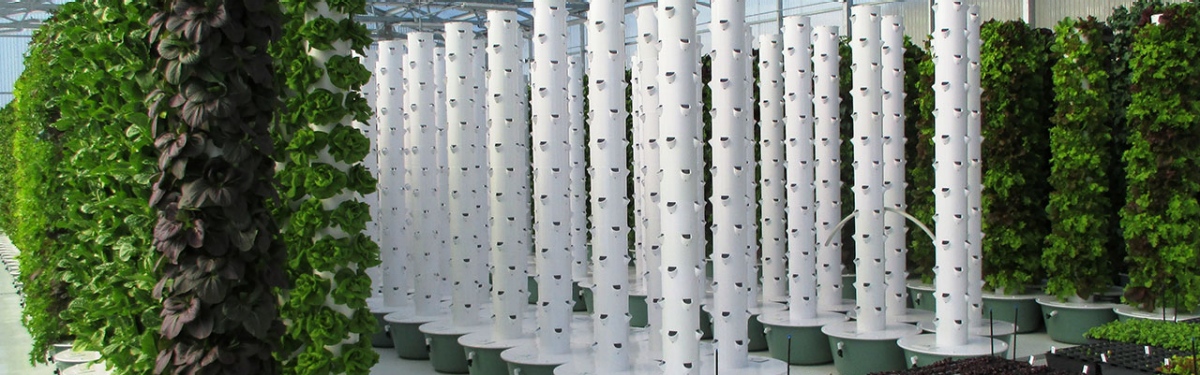
Source: www.towerfarms.com

Challenge 1: Nutrient Management

In aeroponic tower gardening, nutrient management plays a crucial role in ensuring the healthy growth of plants. It involves understanding nutrient requirements, choosing the right nutrient solution, and monitoring and adjusting nutrient levels as needed. Let's take a closer look at each of these challenges and their solutions:

Understanding nutrient requirements:

Different plants have different nutrient requirements at various stages of growth. It is essential to understand the specific needs of the plants you are growing in your aeroponic tower garden. This can be done by researching the nutrient requirements of each plant or consulting gardening experts. Providing the right balance of essential nutrients such as nitrogen, phosphorus, and potassium is key to promoting healthy plant growth.

Choosing the right nutrient solution:

The nutrient solution is the key source of nourishment for the plants in an aeroponic tower garden. It is crucial to choose a high-quality, well-balanced nutrient solution that contains all the necessary macro and micronutrients. Many commercially available nutrient solutions are specifically formulated for hydroponic and aeroponic systems. Conducting thorough research and reading product labels can help you make an informed decision.

Monitoring and adjusting nutrient levels:

Regularly monitoring the nutrient levels in your aeroponic tower garden is essential to ensure optimal plant growth. This can be done by using an electrical conductivity (EC) meter to measure the nutrient concentration in the solution and a pH meter to measure the acidity or alkalinity. If the nutrient levels are too high or too low, adjustments can be made by diluting or increasing the concentration of the nutrient solution. Keeping a log of nutrient measurements can help you track and maintain the appropriate levels.

By addressing these challenges and implementing the solutions mentioned above, you can effectively manage the nutrient requirements of your aeroponic tower garden. This will help promote healthy plant growth and maximize the productivity of your gardening efforts.

Elevate your gardening game with aeroponic tower systems. Uncover tips, tricks, and proven techniques for overcoming hurdles in vertical farming.
Source: agrotonomy.com

Challenge 2: pH Balance

Maintaining the optimal pH levels is crucial in aeroponic tower gardening. pH levels affect the availability of nutrients to plants and can greatly impact their growth and health. However, it can be a challenge to maintain the right pH balance in the system. Let's explore some common pH issues and the solutions to address them.

Identifying common pH issues

There are two common pH issues that aeroponic tower gardeners may encounter:

  1. pH Too High: If the pH level is too high, it means the solution is too alkaline. This can lead to nutrient deficiencies, as certain essential nutrients become less available to the plants.
  2. pH Too Low: Conversely, if the pH level is too low, the solution is too acidic. In this case, the plants may also suffer from nutrient deficiencies, as some nutrients become less soluble at lower pH levels.

Using pH buffering solutions

To maintain the optimal pH levels in aeroponic tower gardening, pH buffering solutions can be used. These solutions help stabilize the pH by balancing any fluctuations.

One commonly used pH buffering solution is potassium hydroxide (KOH) for raising pH levels. It is essential to add it in small amounts and regularly monitor the pH to avoid sudden drastic changes.

Another option is phosphoric acid (H3PO4) for lowering pH levels. Like KOH, it should be added gradually and carefully while monitoring the pH levels consistently.

Regularly testing the pH levels of the nutrient solution using a pH meter or pH test kit is essential for ensuring the plants receive the right balance of nutrients. Adjustments can then be made using the appropriate pH buffering solutions.

By monitoring and addressing pH issues promptly, aeroponic tower gardeners can provide optimal growing conditions for their plants and maximize their growth and productivity

Achieve remarkable results in your garden with Aeroponic Tower Gardening. Learn how to overcome challenges and optimize plant growth for the ultimate harvest.
Source: m.media-amazon.com

Challenge 3: Air Circulation and Oxygenation

In aeroponic tower gardening, maintaining proper air circulation and oxygenation is crucial for the health and growth of plants. Without adequate airflow and oxygen supply, plants can suffer from a lack of nutrients and develop issues like root rot. Therefore, it is essential to implement effective methods to ensure a well-ventilated and oxygen-rich environment for the plants.

Importance of proper air circulation

Proper air circulation is essential for several reasons. It helps in regulating temperature, preventing the build-up of excessive humidity, and reducing the risk of fungal diseases. Additionally, air movement stimulates the strengthening of plant stems, leading to healthier and more robust plants.

Effective methods for oxygenation

To enhance oxygenation in aeroponic tower gardens, there are several techniques that can be employed. One common method is the use of air stones or diffusers, which release bubbles of oxygen into the water reservoir, ensuring that the plant roots receive a constant supply of oxygen. Another approach is to incorporate air pumps that can circulate the air and maintain a steady flow throughout the tower.

Avoiding stagnation and root rot

Stagnant water and poor oxygenation can lead to root rot, a condition where the plant's roots become waterlogged and begin to decay. To avoid this issue, it is crucial to monitor the water level in the reservoir regularly and keep it within the recommended range. Additionally, ensuring that the tower system is properly cleaned and maintained will prevent the accumulation of debris or algae, which can impede airflow and oxygenation.

Overall, proper air circulation and oxygenation are vital components of successful aeroponic tower gardening. By implementing effective methods and maintaining a well-ventilated environment, gardeners can ensure optimal plant health and a thriving garden.

Uncover the secrets of successful Aeroponic Tower Gardening and learn how to overcome common obstacles with our proven solutions. Start growing your own food today!
Source: indoorgrowfarmer.com

Challenge 4: Pest and Disease Control

Identifying common pests and diseases

When practicing aeroponic tower gardening, one of the main challenges that gardeners face is pest and disease control. Pests and diseases can quickly spread and damage the plants, affecting their growth and overall health. It is crucial to stay vigilant and identify common pests and diseases in order to take prompt action. Some common pests in aeroponic tower gardens include aphids, spider mites, whiteflies, and thrips. Diseases such as powdery mildew, root rot, and bacterial leaf spot can also impact plant health.

Using organic and natural pest control methods

To combat pests and diseases in aeroponic tower gardening, it is recommended to use organic and natural pest control methods. Chemical pesticides should be avoided as they can harm not only the pests but also beneficial organisms and the environment. Instead, gardeners can opt for more sustainable solutions.

Some effective organic pest control methods include:

  • Introducing beneficial insects like ladybugs and lacewings that prey on garden pests.
  • Using neem oil or insecticidal soap to deter or eliminate pests.
  • Regularly inspecting plants for signs of infestation and removing infected or damaged parts.

In terms of disease control, proper sanitation practices play a vital role. It is essential to maintain cleanliness, remove and dispose of infected plants or plant parts, and regularly disinfect the growing equipment. This helps prevent the spread of diseases and keeps the plants healthy.

By being proactive and using organic and natural pest control methods, gardeners can effectively address the challenge of pest and disease control in aeroponic tower gardening. With proper care and attention, plants can thrive and produce abundant harvests.

From overcoming space constraints to maximizing plant growth, learn how to conquer the challenges of aeroponic tower gardening for a thriving vertical garden.
Source: agrotonomy.com

Challenge 5: Water Management

When it comes to aeroponic tower gardening, managing water effectively is crucial for the success of your plants. This section will discuss two primary challenges related to water management and solutions to overcome them.

Optimizing water usage

In aeroponic tower gardening, it is essential to optimize water usage to ensure that your plants receive an adequate amount of water without wastage. One solution to optimize water usage is by implementing a recirculating system. This system collects the nutrient-rich water that is not absorbed by the plants and recycles it back to the reservoir. By doing so, you can minimize water wastage and create a more sustainable gardening practice.

Additionally, using a timer and automating the watering process can also help optimize water usage. By setting specific intervals for watering, you can provide the right amount of water to your plants without overdoing it.

Preventing waterlogging and overwatering

Waterlogging and overwatering can be detrimental to your plants' health in aeroponic tower gardens. Excessive water can lead to root rot and the growth of harmful bacteria and fungi. To prevent these issues, it is crucial to ensure proper drainage in your tower system.

One solution is to use a well-draining growing medium, such as coco coir or clay pellets. These mediums allow excess water to drain away from the roots, preventing waterlogging.

Additionally, monitoring the moisture levels in the tower system is vital to prevent overwatering. You can use moisture sensors or simply check the moisture content of the growing medium regularly. Based on these observations, adjust the watering schedule accordingly to maintain an optimal moisture balance.

Overall, water management is a crucial aspect of aeroponic tower gardening. By optimizing water usage and preventing waterlogging and overwatering, you can ensure healthier plants and a more efficient gardening practice.
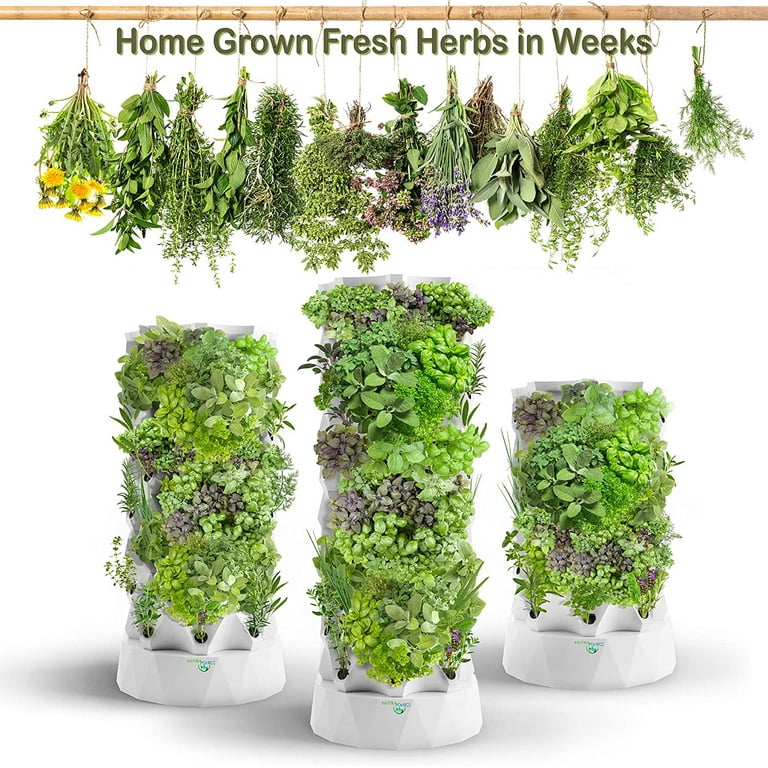
Take your gardening skills to new heights with aeroponic tower gardening. Learn how to tackle challenges and reap the rewards of sustainable, efficient planting.
Source: i5.walmartimages.com

Solution 1: Technology Advancements

One of the key challenges in aeroponic tower gardening is maintaining optimal conditions for plant growth. However, advancements in technology have provided innovative solutions to overcome these challenges and optimize the performance of aeroponic tower gardens.

Automated monitoring and control systems

Automated monitoring and control systems: Modern aeroponic tower gardens are equipped with automated monitoring and control systems that constantly monitor and adjust the environmental parameters essential for plant growth. These systems can regulate factors such as temperature, humidity, and light, ensuring that plants receive the ideal conditions for growth. Some advanced systems even have built-in timers for automatic nutrient delivery and misting cycles, reducing the need for constant manual supervision.

Sensors and data analysis for precise nutrient and pH management

Sensors and data analysis for precise nutrient and pH management: Another significant challenge in aeroponic tower gardening is maintaining the correct nutrient and pH levels for the plants. However, with the use of sensors and data analysis, growers can now achieve precise nutrient and pH management. Sensors placed in the tower garden can measure nutrient levels and pH, and the data collected can be analyzed to make informed adjustments. This ensures that plants receive the exact amount of nutrients they need, leading to optimized growth and higher yields.

These technological advancements have revolutionized aeroponic tower gardening, making it more accessible and efficient for both home gardeners and commercial growers. With automated monitoring and control systems and precise nutrient and pH management, growers can now create an ideal environment for plant growth and maximize their harvests.
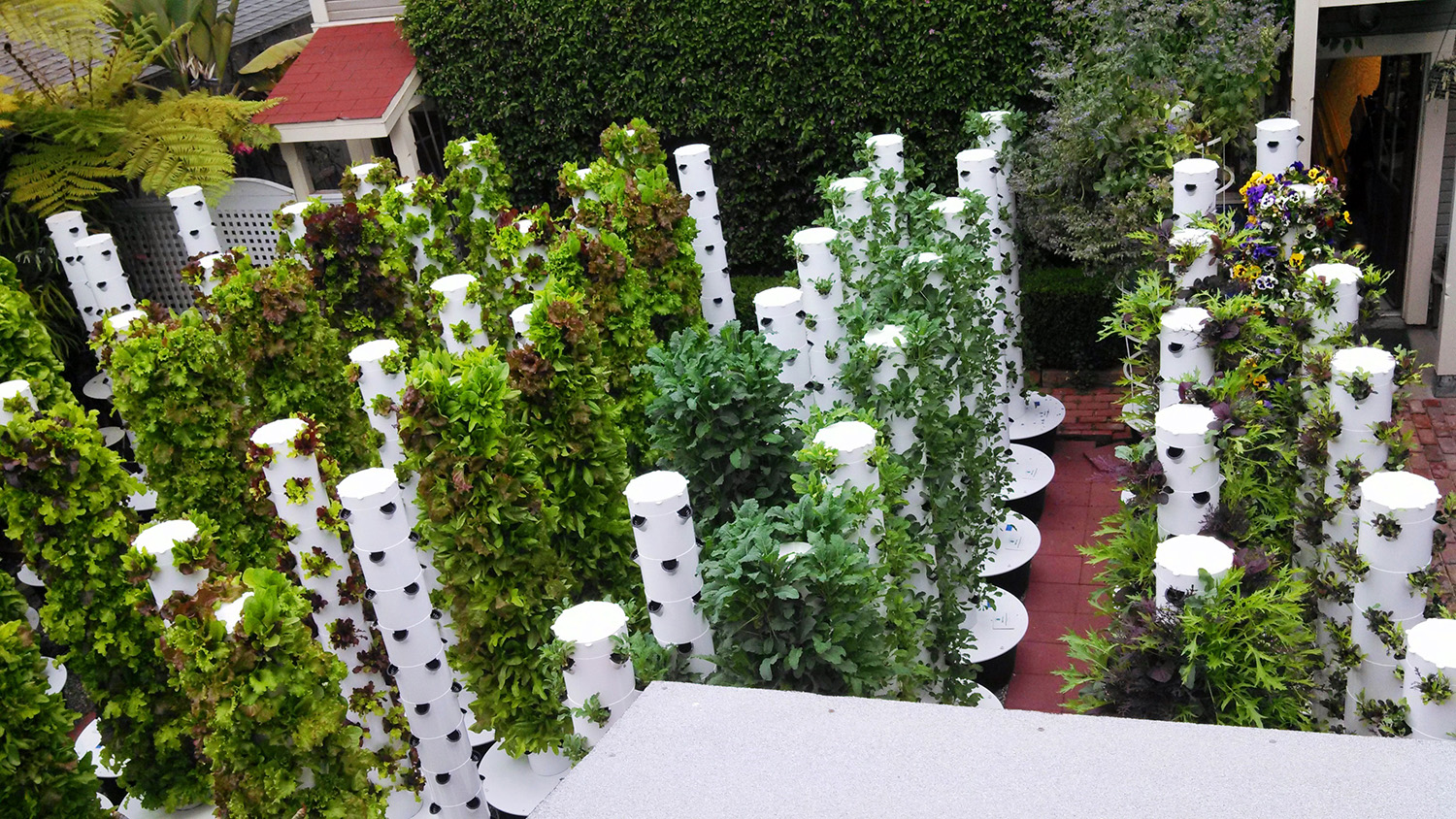
Say goodbye to traditional gardening methods and embrace the future with aeroponic tower gardening. Overcome obstacles and reap the rewards!
Source: futuregrowing.files.wordpress.com

Solution 2: Education and Knowledge Sharing

When it comes to aeroponic tower gardening, there are certainly challenges that can arise. One of the key solutions to overcome these challenges is through education and knowledge sharing. By providing training resources and information on aeroponic gardening, individuals can enhance their skills and overcome any obstacles they may encounter.

Training resources for aeroponic gardening

Training resources: Educating oneself about aeroponic tower gardening is essential for success. There are several options for accessing training resources, including online courses, workshops, and gardening forums. Websites like Gardening Know How provide detailed articles and guides on aeroponic gardening techniques.

Workshops and courses: Many gardening centers and agricultural institutions offer workshops and courses specifically focused on aeroponic gardening. These hands-on experiences provide valuable insights and practical knowledge that can help overcome any challenges faced by beginners.

Gardening communities: Joining gardening communities or forums can be immensely beneficial in sharing and gaining knowledge about aeroponic gardening. These platforms allow individuals to connect with experienced gardeners who can provide guidance and answer any questions or concerns.

It is important to note that each challenge faced in aeroponic tower gardening can require unique solutions. By leveraging education and knowledge sharing resources, individuals can gain the skills and insights needed to overcome these challenges and ensure successful and thriving aeroponic gardens.
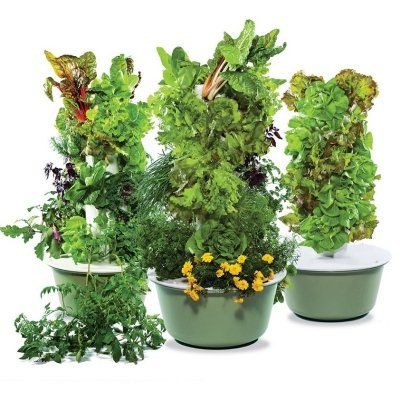
Dive into the world of aeroponic tower gardening and learn how to overcome obstacles for a thriving garden. Fresh, healthy produce awaits you!
Source: lirp.cdn-website.com

Conclusion

Overcoming challenges in aeroponic tower gardening

Despite the numerous challenges that come with aeroponic tower gardening, there are solutions that can help enthusiasts thrive in this innovative gardening method. By addressing these challenges head-on, gardeners can create a successful and sustainable aeroponic tower garden.

Challenge: Nutrient management Maintaining the right balance of nutrients is crucial for the health and growth of plants in aeroponic systems. However, it can be challenging to ensure that plants receive adequate nutrients in this soil-less environment. One solution is to use a nutrient-rich solution specifically formulated for aeroponic gardening. Regular monitoring and adjusting of nutrient levels can help maintain optimal plant health.

Challenge: Temperature and humidity control Controlling temperature and humidity is crucial for the success of aeroponic tower gardening. High temperatures can lead to dehydration, while excessive humidity can promote the growth of mold and diseases. Using ventilation systems, shade covers, and humidity monitors can help regulate these environmental factors and create an optimal growing environment.

Challenge: Pest and disease managementWithout the protecting barrier of soil, plants in aeroponic tower gardens can be more vulnerable to pest infestations and diseases. Implementing integrated pest management strategies, such as natural pest deterrents and regular plant inspections, can help prevent and manage these issues without the use of harmful chemicals.

Benefits and future potential of this innovative gardening methodDespite the challenges, aeroponic tower gardening offers numerous benefits. It allows for efficient water and nutrient usage, maximizes growing space, reduces the need for pesticides and herbicides, and provides a year-round growing option. As technology improves and more research is conducted, the potential for aeroponic tower gardening to revolutionize the agricultural industry is immense.

Overall, aeroponic tower gardening presents an exciting and sustainable approach to home gardening and commercial farming. By understanding and addressing the challenges involved, enthusiasts can enjoy the rewards of this innovative method while contributing to a healthier and more environmentally friendly future.

  1. Benefits of Water Conservation
    • Description: This article delves into the importance of conserving water and the various benefits it brings to both the environment and society. It provides insights into how water conservation can lead to energy savings, habitat protection, and more.
  2. What Is Water Conservation?
    • Description: Constellation offers a comprehensive guide on water conservation, explaining its significance and providing practical tips for individuals and communities to save water. The article emphasizes the interconnectedness of water and energy conservation.
  3. 5 Benefits of Water Conservation - The Sustainable Travel
    • Description: The Sustainable Travel highlights five key benefits of water conservation, emphasizing its role in sustainable living. The article discusses the environmental, economic, and societal advantages of using water wisely.
  4. Water conservation - Wikipedia
    • Description: Wikipedia provides an in-depth overview of water conservation, its history, methods, and the benefits of conserving water. The page serves as a comprehensive resource for understanding the global importance of water conservation.
https://hydroponicharmony.com/challenges-aeroponic-tower-gardening/?feed_id=3822&_unique_id=65f31c75c5ede

Sunday, March 10, 2024

Getting Started with Aeroponic Gardening

Are you tired of dealing with soil and pests in your traditional gardening efforts? Are you looking to save water and grow plants with more efficiency and better overall health? If you answered yes, it might be time for you to explore the fascinating world of aeroponic gardening. This innovative and sustainable method of nurturing plants without soil has gained massive popularity in recent years, and for good reason. Not only does it save water and promote faster growth, but it also eliminates many of the soil-based challenges faced by traditional gardeners. In this blog post, we will dive into the basics of aeroponic gardening, its advantages over conventional gardening techniques, and how you can get started with your very own aeroponic garden. So, sit back, relax, and prepare to enter the realm of soilless gardening!
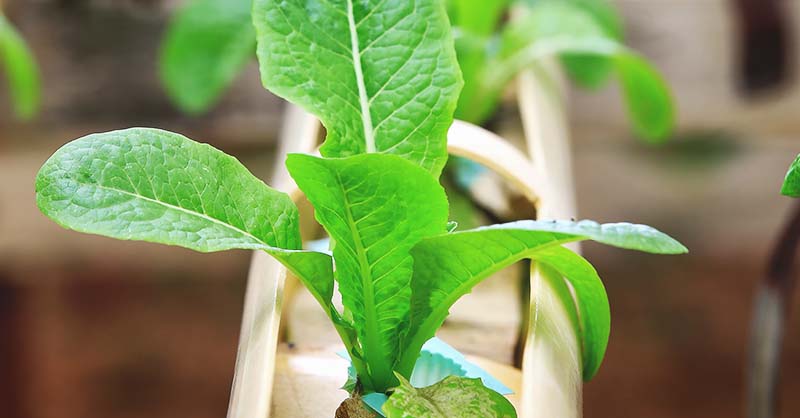
[caption id="" align="aligncenter" width="700"]Learn the basics of aeroponic gardening and discover why it is one of the most efficient ways to grow your own produce! Get started today! Learn the basics of aeroponic gardening and discover why it is one of the most efficient ways to grow your own produce! Get started today![/caption]
Source: images.squarespace-cdn.com

1. Introduction to Aeroponic Gardening

Aeroponic gardening is an innovative and sustainable approach to growing plants without the need for soil. This technology was first introduced by NASA in an effort to explore space-based agriculture and provide fresh produce to astronauts on long missions. Today, the practice has been embraced by home gardeners, urban farmers, and even large-scale growers, for its countless advantages and sustainability aspects. Some key highlights of aeroponic gardening include: * Efficient use of water and space: With plants suspended in air, aeroponics allows for better utilization of space compared to traditional gardening methods. Moreover, it uses up to 98% less water than soil-based gardening, making it an eco-friendly option. * Faster growth and greater yields: Since plants receive optimum levels of oxygen, water, and nutrients directly to their roots, they grow much faster and produce higher yields. This means that you can enjoy fresh and delicious produce all-year-round. * Fewer pests and diseases: The absence of soil eliminates the risk of soil-borne diseases, and the closed-loop system provides fewer entry points for pests. This results in healthier plants and reduced need for chemical pesticides. * Better control of growing conditions: Aeroponic systems come with automatic pumps and digital timers that allow for precise control of vital factors such as nutrient delivery, pH balance, and watering schedules. * Clean and easy harvest: Since aeroponic systems are soil-free, the fruits, vegetables, and herbs produced are cleaner and easier to harvest than traditional methods. Aeroponic gardening offers a promising future for sustainable agriculture, as it addresses many challenges faced by traditional farming methods. As this technology becomes more accessible, it paves the way for individuals and communities to embrace an environmentally friendly and self-sufficient way of growing their food. By implementing aeroponic systems, we take a step towards promoting a greener and healthier world for future generations. [1][2]
[caption id="" align="aligncenter" width="700"]Discover the basics of Aeroponic Gardening and learn how to help your plants thrive with this specialized form of gardening. Start now! Discover the basics of Aeroponic Gardening and learn how to help your plants thrive with this specialized form of gardening. Start now![/caption]
Source: morningchores.com

2. Benefits of Growing Plants without Soil

Growing plants without soil, such as in aeroponic systems, offers a plethora of advantages when compared to traditional soil-based cultivation. The various benefits of growing plants without soil have made aeroponics a popular choice among urban gardeners. - Enhanced plant growth: Aeroponic systems promote faster growth rates as the plants' roots receive direct access to oxygen and nutrients. This leads to an increase in overall yield, making aeroponic gardening highly efficient. - Water savings: As mentioned in Modern Farmer, closed-loop aeroponic systems use 95% less water than soil-based methods. The nutrient-rich water is continually recycled, making it a more sustainable choice. - Space-saving: Aeroponic gardening allows for efficient use of vertical space, contributing to its popularity in urban settings. It enables the production of a greater quantity of crops within a limited area. - Minimum use of pesticides: Since aeroponic systems operate in controlled environments, they are less prone to pest infestation, negating the need for chemical-based pesticides. This not only benefits the environment but also produces healthier crops. - Eco-friendly: The environmental impact of growing plants without soil also extends to reduced nutrient runoff and the limited use of fossil fuels in the transportation process, particularly in urban settings. To summarise, the benefits of growing plants without soil in aeroponic systems include: - Faster growth rates - Efficient use of water and space - Reduced use of pesticides, leading to healthier crops - Lesser environmental impact Aeroponics is undoubtedly a revolutionary approach to gardening, offering sustainable alternatives for resource consumption and improved crop yields. [3][4]
[caption id="" align="aligncenter" width="700"]Discover the secrets to starting your own aeroponic garden and grow fresh, healthy produce with ease. Get ahead of the curve with aeroponic gardening today! Discover the secrets to starting your own aeroponic garden and grow fresh, healthy produce with ease. Get ahead of the curve with aeroponic gardening today![/caption]
Source: www.royalqueenseeds.com

3. How Aeroponic System Works

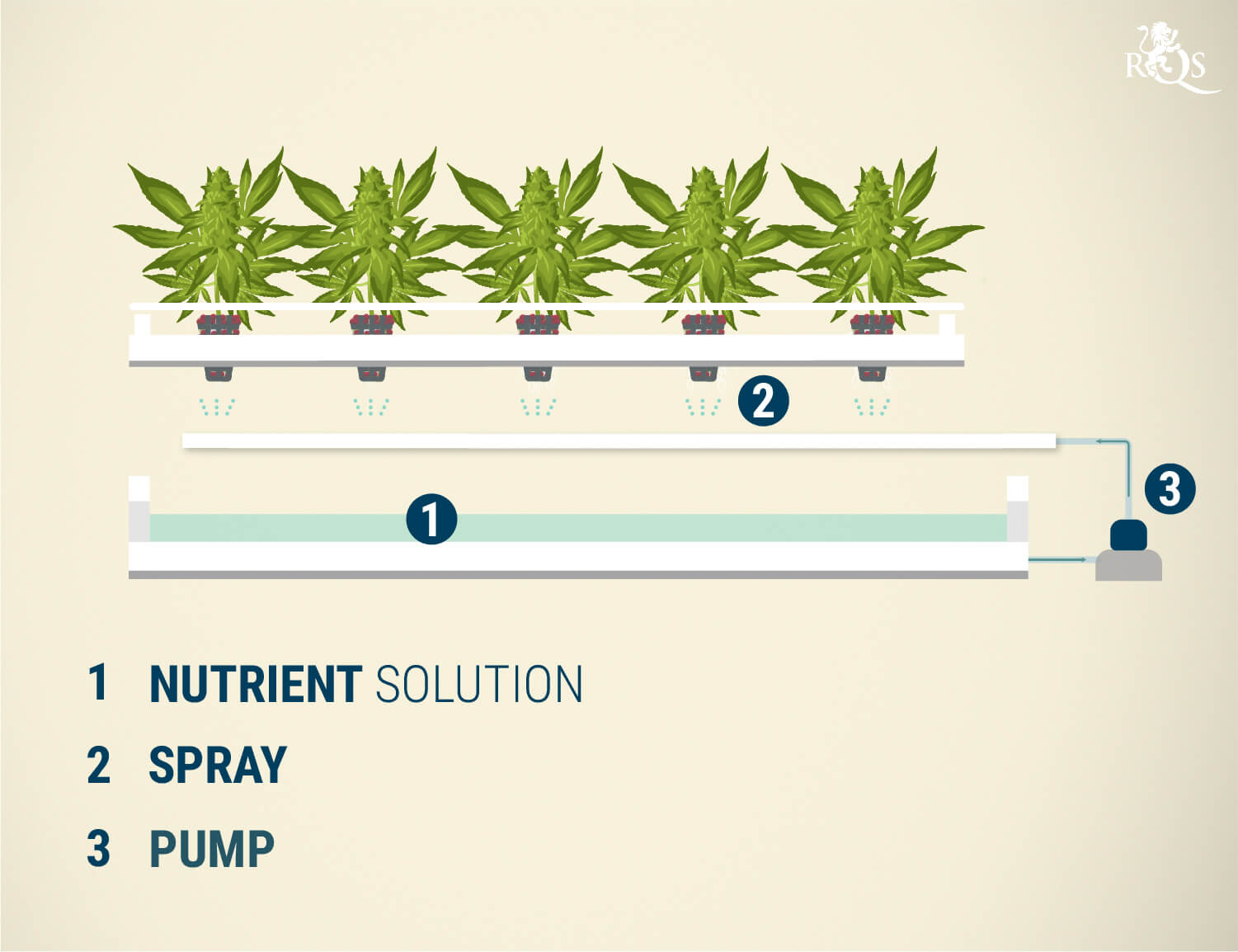
Aeroponic systems are considered the cutting-edge of modern gardening and have gained popularity for their environmentally friendly approach to food production. This advanced method nourishes plants with nutrient-rich mist, allowing them to grow without soil or even a growing medium. Here is a brief overview of how an aeroponic system works: - At the core of this unique gardening method are specially designed misting devices that periodically puff the plant roots with nutrient-laden mist, suspending them in the air. - Seeds in an aeroponic system are planted in small pots filled with foam, which exposes one end to light and the other to nutrient-rich mist. The foam also holds the stem and root mass in place as the plant grows. - This method provides plant roots with extra oxygen, leading to faster growth rates compared to traditional soil-based gardening. As evidenced by various factual sources, aeroponic systems are known for their benefits in conserving water, reducing nutrient runoff, and maximizing urban space for agriculture. Moreover, they boast significantly lower maintenance requirements due to the absence of soil: - These closed-loop systems use 95% less irrigation than plants grown in soil. - Nutrients are held within the water, allowing for recycling and preventing the pollution of nearby waterways. - Aeroponic systems are often used in indoor vertical farms, making them ideal for urban environments and conserving valuable space. However, it is essential to note that aeroponic systems do require expertise for efficient operation. Maintaining the proper nutrient balance and ensuring the misting devices function correctly are some of the primary challenges. Even minor malfunctions can result in crop loss, so regular cleaning and monitoring are crucial. Regardless of these challenges, aeroponic gardening remains a sustainable and efficient method for growing fresh produce, especially in urban settings. [5][6]
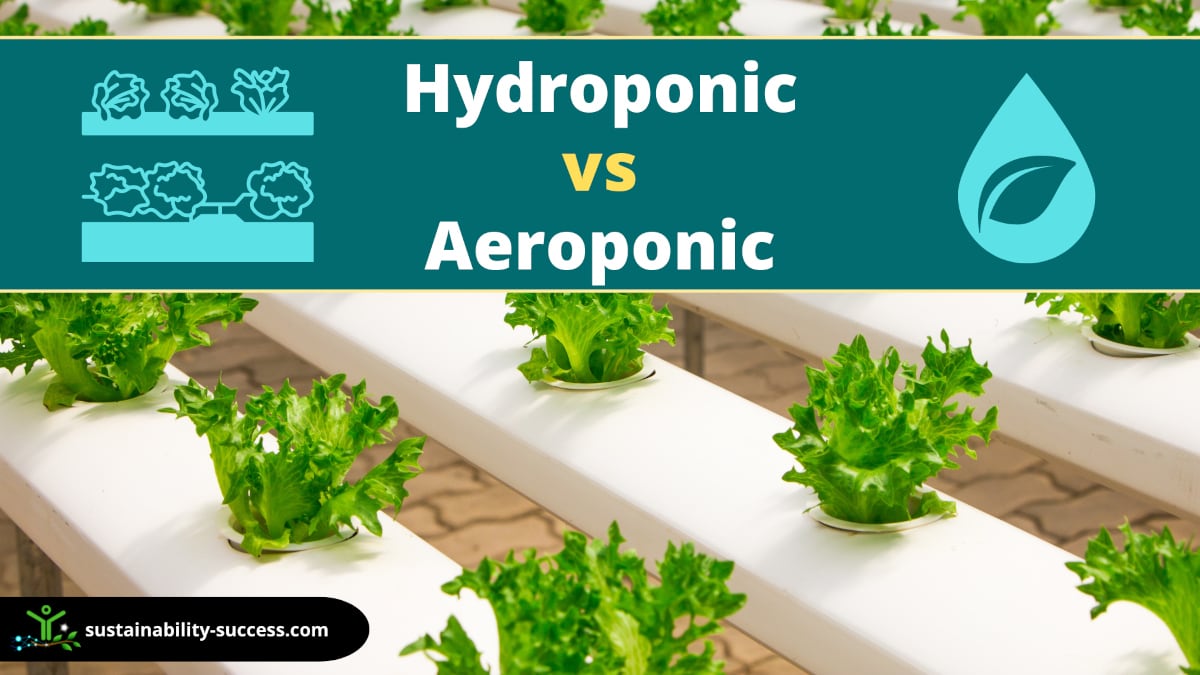
[caption id="" align="aligncenter" width="700"]Get a jumpstart on your aeroponic gardening journey! Learn the basics and find out what it takes to get started with this innovative and sustainable growing method. Get a jumpstart on your aeroponic gardening journey! Learn the basics and find out what it takes to get started with this innovative and sustainable growing method.[/caption]
Source: sustainability-success.com

4. Aeroponics vs Hydroponics

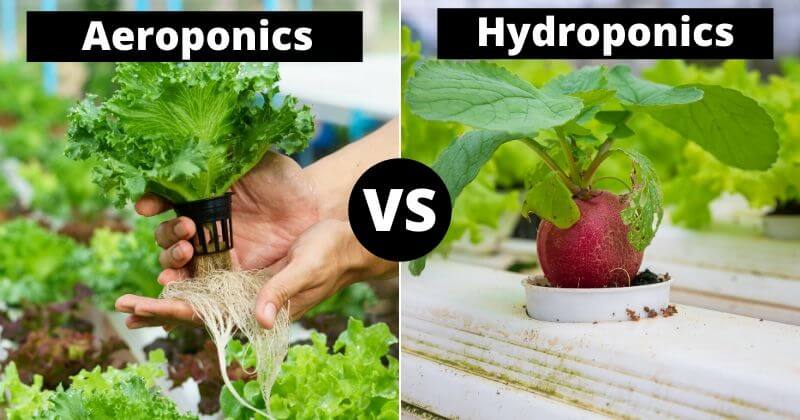
Aeroponics and Hydroponics are two soilless gardening techniques that have gained immense popularity in recent times. While both methods have similar principles, they differ significantly in terms of how nutrients are delivered to the plants. - Hydroponics involves immersing the plant roots in a nutrient-rich water solution, while Aeroponics sprays droplets of the solution directly onto the roots. As a result, plants grown in aeroponic systems can receive more oxygen than hydroponic plants, promoting faster and healthier growth. - Water efficiency is a key factor that distinguishes the two techniques. Aeroponic systems use significantly less water than hydroponic systems, as only a fine mist is required for moisture. In addition, aeroponics is a closed-loop system, allowing water and nutrients to be recycled indefinitely. - In terms of aesthetics, aeroponic systems often have a sleek, futuristic appearance that attracts modern gardeners. However, there are hydroponic systems that also boast intriguing designs, bringing a unique touch of science fiction to your garden. - When it comes to yields, studies have shown that aeroponics slightly outperforms hydroponics due to the increased growth rate of the plants. But this hinges on maintaining stable temperatures and high humidity levels for the plants and their roots. In conclusion, the choice between Aeroponics and Hydroponics largely depends on an individual's preference and specific gardening goals. Both methods offer numerous benefits, such as increased yields, healthier plants, and reduced water consumption. Whether you opt for aeroponics or hydroponics, you're making a step towards sustainable, efficient, and futuristic gardening. [7][8]
[caption id="" align="aligncenter" width="700"]Discover the amazing benefits of aeroponic gardening and learn the basics of getting started with this innovative gardening method! Discover the amazing benefits of aeroponic gardening and learn the basics of getting started with this innovative gardening method![/caption]
Source: www.kxan.com

5. Choosing the Right Aeroponic System

Choosing the right aeroponic system is crucial for a successful and efficient gardening experience. Aeroponics offers a modern, sustainable, and water-efficient alternative to traditional soil-based gardening, making it an increasingly popular choice among gardening enthusiasts. Here are some factors to consider while selecting the perfect aeroponic system for your needs: 1. Size and Space: Before investing in an aeroponic system, assess the available space in your home or garden. Consider the size of the system itself, as well as the room for plants to grow vertically or horizontally. Choose a system that fits comfortably in your designated area. 2. Types of Plants: Different aeroponic systems are designed to accommodate various types of plants, ranging from leafy greens to fruit-bearing species. Research the specific requirements of the plants you intend to grow and select a system that supports their growth. 3. Indoor vs. Outdoor: Aeroponic systems come in both indoor and outdoor varieties. Weigh the pros and cons of each option based on factors such as the availability of sunlight, temperature control, and the accessibility to a power source. 4. System Features: Depending on your gardening expertise and preferences, consider investing in a system that offers advanced features like digital timers, automatic pumps, integrated pH sensors, and precise nutrient delivery mechanisms. These features help maintain optimum growing conditions and minimize the effort required to manage the system. 5. Budget and Maintenance: Aeroponic systems are available in a wide range of price points. Determine your budget and consider the ongoing maintenance costs, such as the need to replace nutrient solutions and periodic component replacements. "An aeroponic system delivers nutrients straight to the roots of the plant... Because the roots don’t sit in soil nor are they submerged in water, they get more oxygen than in a hydroponic system. The result? Better root oxygenation speeds up plant growth." (Factual Data 2) In conclusion, selecting the right aeroponic system is a crucial step toward a fruitful and hassle-free gardening experience. By considering practical factors such as space, plant types, indoor versus outdoor setups, advanced features, and budget, you can ensure your investment in this sustainable gardening option yields bountiful returns. [9][10]
[caption id="" align="aligncenter" width="700"]Learn how to start your own aeroponic garden and experience the joy of growing food in an easy, sustainable way. Learn how to start your own aeroponic garden and experience the joy of growing food in an easy, sustainable way.[/caption]
Source: lirp.cdn-website.com

6. Setting Up Your Home Garden

Setting up your home garden with an aeroponic system might seem like a daunting task, but with the right guidance and a step-by-step approach, you'll be enjoying the benefits of sustainable, efficient gardening in no time. Here are a few essential steps to help you establish a thriving home aeroponic garden: 1. Assess your available space: With aeroponic systems, you don't have to worry about soil quality or having a large amount of space. However, it's crucial to evaluate the area you have and ensure there's enough room for the system, growth trays, and your desired number of plants. 2. Choose the right system: Select an aeroponic system that best suits your needs and budget. There are various options available on the market, from DIY kits to pre-assembled commercial systems. 3. Prepare the equipment: Gather all the necessary components for your chosen system, including a reservoir, platform with holes or net pots, support collars, water pump, timer, and sprinklers. 4. Source quality nutrients and water: Aeroponic systems rely on nutrient-rich mists to nourish plants, so make sure you have the right nutrient mix and a consistent water source that is clean and free of contaminants. 5. Set up a consistent light source: Providing ample and consistent light is crucial to the success of your aeroponic garden. Choose an appropriate grow light or use natural sunlight if possible, and maintain a consistent light schedule. 6. Maintain optimal temperature and humidity levels: Aeroponic gardens thrive in controlled environments, so make sure you monitor the temperature and humidity levels and adjust them as necessary for optimal plant growth. 7. Monitor pH levels: Regularly check the pH levels in your reservoir to ensure the nutrient solution is efficiently absorbed by your plants. Remember, the best way to succeed with your home aeroponic garden is to dedicate time for regular maintenance and monitoring. With a little patience and commitment, you'll be well on your way to enjoying fresh, home-grown produce through this innovative and sustainable gardening method. [11][12]
[caption id="" align="aligncenter" width="700"]Learn everything you need to get started with aeroponic gardening. Discover the science behind this soil-less method of growing plants, and get tips on setting up a successful garden. Learn everything you need to get started with aeroponic gardening. Discover the science behind this soil-less method of growing plants, and get tips on setting up a successful garden.[/caption]
Source: m.media-amazon.com

7. Planting Seeds or Seedlings

When it comes to Aeroponic Gardening, one of the first steps is choosing between planting seeds or seedlings. Both options have pros and cons, but ultimately it comes down to personal preference and convenience. Here's what you need to know about each method: Planting Seeds: - More control over the growth process and health of the plant - Wider variety of plants available, as seeds are easier to obtain and store - Cost-effective, since seeds usually come in large quantities - Satisfying and rewarding to watch the entire growth process unfold from seed to harvest In order to plant seeds successfully, you need to provide them with the essentials for germination, including proper light, water, nutrients, and a place to anchor themselves. According to kidsgardening.org, starting seeds hydroponically can be done using a nutrient solution diluted to half strength and non-soil options like rockwool cubes, perlite, or coconut coir for anchoring the plant. A grow light can improve germination results, especially during winter months with shorter days. Planting Seedlings: - Allows for a quicker start to the growing process, as the plants are already sprouted - Reduces the time spent waiting for germination and initial growth - Higher success rate, as seedlings have already proven their ability to grow and adapt When purchasing seedlings, ensure they are free from diseases and pests and have healthy, well-developed root systems. To transplant them into your aeroponic system, carefully remove any soil from the roots and follow the specific guidelines provided by your aeroponic system's manufacturer. In conclusion, deciding whether to use seeds or seedlings depends on your personal preferences and the level of involvement you wish to have in the plant growth process. Both options can lead to a successful and rewarding aeroponic gardening experience. [13][14]
[caption id="" align="aligncenter" width="700"]Unlock the secrets of aeroponic gardening and learn how to get started! Discover the best tools, tips, and techniques for successful aeroponic gardens. Unlock the secrets of aeroponic gardening and learn how to get started! Discover the best tools, tips, and techniques for successful aeroponic gardens.[/caption]
Source: www.gardeningchores.com

8. Low Maintenance Aeroponic Gardening

Aeroponic gardening has revolutionized the way we approach agriculture, proving to be an attractive option for both seasoned gardeners and beginners alike. One of the most appealing aspects of this innovative method is its low maintenance nature, making it an excellent option for those who desire the ability to grow their own food without the need for excessive time, effort, and resources. Several key factors contribute to the low maintenance nature of aeroponic gardening: - Efficient use of resources: Aeroponic systems are designed to use water and nutrients with utmost efficiency, resulting in reduced waste, water consumption, and overall resource usage. Factual Data 2 reported that aeroponic systems use significantly less water than traditional soil-based systems due to water being delivered directly to the roots, and not lost through evaporation or soil absorption. This efficiency results in fewer resources required and ultimate cost savings for the gardener. - Pest and disease control: The controlled environment of aeroponic gardens reduces the chances of pest infestation and plant diseases. Factual Data 2 reveals that the ability to prevent the spread of pests and diseases helps gardeners reduce their dependence on harmful chemicals and pesticides. - Controlled growing conditions: Aeroponic systems provide gardeners the ability to manipulate the growing conditions of their plants based on individual requirements. This control over various factors such as nutrient supply, temperature, and humidity results in healthier plants that require less intervention to thrive. - Easy monitoring: As mentioned in Factual Data 1, the maintenance routine for an aeroponic garden is more approachable, with suggested weekly monitoring of pH levels, water temperature, and reservoir levels. This streamlined process prevents overworking and ensures that your garden runs smoothly. In conclusion, aeroponic gardening is an ideal choice for individuals seeking a low maintenance, efficient, and sustainable method to grow their own food. The ease of use and streamlined processes associated with aeroponic systems make it an excellent way to enjoy fresh, clean, and delicious produce with minimal time and effort required. [15][16]
[caption id="" align="aligncenter" width="700"]Grow your own food with aeroponic gardening! Learn the basics and get started with this modern, efficient way to grow your plants. Grow your own food with aeroponic gardening! Learn the basics and get started with this modern, efficient way to grow your plants.[/caption]
Source: agrotonomy.com

9. Harvesting Your Crops

Harvesting Your Crops: A Rewarding Experience After weeks of careful monitoring and nurturing of your aeroponic garden, the most gratifying stage arrives: harvesting your crops. Aeroponics has been hailed as one of the most efficient and sustainable methods of modern agriculture due to the multiple benefits it offers. Here's what you can expect when it's time to harvest the produce from your aeroponic system: • Faster growth rate: Thanks to better access to oxygen and the precise delivery of nutrients through the nutrient-rich mist, aeroponically grown plants generally have a faster growth rate compared to traditional soil-grown plants. This translates to shorter waiting periods before you can enjoy the fruits of your labor. • Healthier produce: Aeroponic systems, being a closed environment with minimal contact with soil, reduce the chances of contamination from pests and diseases. This results in healthier, more robust plants and a higher-quality harvest. "Plants grown in an aeroponic system require less water and can grow up to 50% faster, delivering a plentiful and sustainable harvest." • Higher yield: Aeroponic systems have been shown to produce substantially higher yields than traditional farming methods. The increased efficiency in nutrient and water utilization, combined with fewer instances of pests and diseases, allow plants to maximize their growth potential. • Easier to harvest: Aeroponic garden platforms provide easy access to the plants. With the plant roots suspended in air and not buried in soil, there is no need for digging or pulling when harvesting. This not only makes the process more straightforward and less labor-intensive but can also reduce potential damage to the plants. To sum up, harvesting your crops from an aeroponic garden is a rewarding experience that signifies the successful implementation of a sustainable, efficient, and environmentally friendly agricultural method. Enjoy the high-quality, healthy produce in your meals, and feel proud of contributing to the future of agriculture. [17][18]
[caption id="" align="aligncenter" width="700"]Grow your own food with aeroponic gardening! Learn the basics of this innovative technique and get started growing today. Grow your own food with aeroponic gardening! Learn the basics of this innovative technique and get started growing today.[/caption]
Source: m.media-amazon.com

10. Conclusion: The Future of Sustainable Gardening

As we move towards a future filled with uncertainty, the need for sustainable gardening practices will be more crucial than ever. Aeroponic gardening offers a viable alternative to traditional farming methods and can play a significant role in addressing the challenges of food security and environmental preservation. - Aeroponics is predicted to become increasingly popular due to the deteriorating soil quality worldwide, making soil-free gardening a necessary and compelling innovation. - Achieving sustainable food production is crucial, as by 2050, we are expected to need double the size of India's landmass for agriculture. This expansion will have devastating effects on ecosystems, contributing to deforestation, biodiversity loss, and climate change. - Controlled environment agriculture (CEA), such as hydroponic and aeroponic farming, can help alleviate some of these problems. By using LED lighting, soil-free growth mediums, and nutrient-rich mist, plants in a CEA system can grow more efficiently and with fewer resources compared to traditional methods. - Not only does this method conserve water, but it also eliminates the need for harmful pesticides and reduces the agricultural footprint, protecting ecosystems and reducing carbon emissions. - Lastly, the threat of zoonotic diseases underlines the need for an alternative agricultural approach, as our current system continues to encroach on wildlife habitats and increase the risk of pandemics like COVID-19. In conclusion, aeroponic gardening stands as a promising and innovative solution to some of the world's most pressing environmental and agricultural challenges. By adopting and refining these sustainable methods, we can work towards a future where food production is both efficient and environmentally conscious, ensuring the wellbeing of our planet and its inhabitants. [19][20]
https://hydroponicharmony.com/aeroponic-gardening/?feed_id=2568&_unique_id=65edffd05ae01

Thursday, March 7, 2024

Aeroponic Tower Garden: The Future of Sustainable Gardening

Unlock the potential of sustainable gardening with the Aeroponic Tower Garden. Say goodbye to traditional methods and hello to a greener future.

Introduction to Aeroponic Tower Gardens

Aeroponic Tower Gardens are a unique and innovative way to grow plants in a vertical space. These gardens are becoming increasingly popular due to their many benefits, including their ability to grow a large variety of plants, their space-saving design, and their water and nutrient efficiency.

Understanding Aeroponic Tower Gardens is essential to successfully growing plants in this type of system. Unlike traditional gardening methods, aeroponic gardening involves growing plants without soil, using only water and nutrients. The plants are grown in a tower, with the roots exposed to the air and misted with nutrient-rich water.

Components of an Aeroponic Tower Garden include the tower itself, a water pump, a timer, and a nutrient solution. These components work together to create an efficient and effective growing system. Setting up an Aeroponic Tower Garden is relatively simple and can be done with minimal tools and equipment. With the right setup, anyone can grow a thriving garden in a small space.

Key Takeaways

  • Aeroponic Tower Gardens are an innovative way to grow plants in a vertical space, with many benefits including space-saving design and water and nutrient efficiency.
  • Understanding Aeroponic Tower Gardens involves growing plants without soil, using only water and nutrients.
  • Components of an Aeroponic Tower Garden include the tower itself, a water pump, a timer, and a nutrient solution, and setting up a garden is relatively simple with minimal tools and equipment.
Unleash the potential of sustainable gardening with Aeroponic Tower Garden. Grow healthier plants without soil, while reducing water consumption.

Understanding Aeroponic Tower Gardens

Aeroponic Tower Gardens are vertical hydroponic systems that use aeroponic technology to grow plants without soil. Instead, the plants are grown in a nutrient-rich mist that is sprayed onto their roots. This mist is created by a pump that circulates the nutrient solution through the tower garden.

The tower garden consists of a tall, vertical structure that contains several levels of planting pockets. These pockets are designed to hold plants and provide them with the necessary nutrients and water.

Aeroponic technology is a form of hydroponics that uses a mist to deliver nutrients to the plants' roots. This technology is highly efficient because it allows the plants to absorb nutrients more easily than traditional hydroponic systems. As a result, aeroponic tower gardens can produce higher yields of crops in less space than traditional farming methods.

One of the main advantages of aeroponic tower gardens is that they are no soil required. This means that the plants are not exposed to soil-borne diseases and pests, which can be a problem in traditional farming methods. Additionally, the vertical nature of the tower garden allows for a more efficient use of space, making it an ideal solution for urban farming.

Overall, aeroponic tower gardens offer a sustainable and efficient way to grow crops in a limited space. With the use of aeroponic technology and vertical hydroponics, it is possible to produce high yields of crops without the use of soil.

Unlock the potential of sustainable gardening with the cutting-edge Aeroponic Tower Garden. Grow nutrient-rich plants effortlessly and save the environment!

Components of an Aeroponic Tower Garden

The Reservoir

The reservoir is the container that holds the nutrient solution for the plants. It is usually made of food-grade plastic and can hold up to 20 gallons of water. The size of the reservoir depends on the number of towers in the garden. It is important to keep the reservoir covered to prevent algae growth and evaporation.

The Submersible Pump

The submersible pump is responsible for pumping the nutrient solution from the reservoir to the top of the tower. It is important to choose a pump that is powerful enough to pump the solution to the highest tower. The pump should also have a filter to prevent clogging.

The Net Pots

The net pots are the containers that hold the plants in the tower. They are usually made of plastic and have holes on the sides to allow the roots to grow out of the pot and into the misting area. It is important to choose the right size of net pot for the plants being grown.

The LED Bars

The LED bars are the source of light for the plants. They are usually mounted on the tower and provide the necessary light for the plants to grow. The LED bars should be placed close enough to the plants to provide sufficient light but not too close to prevent burning.

The Smart Timer

The smart timer is responsible for controlling the pump and the LED bars. It is important to set the timer to the right duration and frequency to ensure that the plants get the right amount of water and light. The timer should also have a backup battery in case of power outages.

In summary, the components of an aeroponic tower garden are the reservoir, submersible pump, net pots, LED bars, and smart timer. These components work together to create an optimal environment for plant growth. It is important to choose the right components and set them up correctly to ensure a successful harvest.

Discover the game-changer in gardening: Aeroponic Tower Garden, where sustainability meets innovation. Grow your own fresh, organic produce today!

Setting Up an Aeroponic Tower Garden

Setting up an aeroponic tower garden is easy and straightforward. As someone who has done it before, I can confidently say that it is a simple process that can be completed in a few hours. Here are the steps I took to set up my aeroponic tower garden:

  1. Design and Size: Before purchasing an aeroponic tower garden, I considered the available designs and sizes to find one that would fit my needs. I chose a modular design that allowed me to add or remove towers as needed. The size of my garden was also perfect for my space.

  2. Assembly: The aeroponic tower garden I bought came with an easy-to-follow manual that provided step-by-step instructions for assembly. I found the process to be very straightforward and didn't require any special tools or skills.

  3. UV-Stabilized: The tower garden I purchased was UV-stabilized to protect it from the sun's harmful rays. This feature ensures that the tower garden will last for a long time without fading or cracking.

  4. Planting: Once I assembled my aeroponic tower garden, I filled it with a growing medium and planted my seeds. I made sure to follow the instructions provided with the garden to ensure that my plants would grow properly.

Overall, setting up an aeroponic tower garden is a simple process that requires minimal effort. The modular design, UV-stabilized material, and easy-to-follow instructions make it a great option for anyone looking to grow their own produce at home.

Experience sustainable gardening like never before with the cutting-edge Aeroponic Tower Garden. Grow vertically, save space, and reap bountiful harvests.

Planting in an Aeroponic Tower Garden

Seedlings and Germination

To start planting in an Aeroponic Tower Garden, I recommend using seedlings instead of seeds. Seedlings have already germinated and developed roots, making them easier to transplant into the Tower Garden. I suggest using a seed starting kit to ensure proper germination and growth before transplanting.

Planting Herbs

Herbs are a great option for the Aeroponic Tower Garden. Some herbs that thrive in this system include cilantro, thyme, oregano, parsley, and chives. When planting herbs, I suggest placing them in the top of the tower to allow for easier access and harvesting.

Planting Vegetables

Aeroponic Tower Gardens are perfect for growing vegetables such as kale and Brussels sprouts. These plants require a lot of space and nutrients, making the tower garden ideal for their growth. When planting vegetables, I recommend placing them in the middle of the tower to ensure proper sunlight and air circulation.

Planting Fruits

While fruits may not be the first choice for an Aeroponic Tower Garden, some fruits can be grown successfully. Watermelon is a good option for the tower garden as it can grow vertically. When planting fruits, I suggest placing them near the bottom of the tower to ensure proper support and stability.

Planting Flowers

Flowers can also be grown in the Aeroponic Tower Garden. Sunflowers are a great option as they can grow tall and provide a beautiful display. When planting flowers, I recommend placing them in the top of the tower to allow for easy viewing and enjoyment.

In conclusion, planting in an Aeroponic Tower Garden can be a fun and rewarding experience. By using seedlings, choosing the right plants, and placing them in the appropriate location within the tower, one can create a thriving garden.

Elevate your gardening game with an Aeroponic Tower Garden - the innovative solution for sustainable and efficient plant growth. Be part of the future!

Maintaining an Aeroponic Tower Garden

As an avid gardener, I have found that maintaining an Aeroponic Tower Garden is both easy and rewarding. Here are some tips that I have learned along the way.

First, it is important to regularly check the nutrient solution levels in the tower. I recommend checking the solution level every two weeks, and topping it off as necessary. It is also important to monitor the pH levels of the solution, as this can affect the health of your plants. I use a pH testing kit to ensure that my solution is within the optimal range of 5.5-6.5.

Another important aspect of maintaining an Aeroponic Tower Garden is ensuring that the tower is properly drilled. When setting up the tower, it is crucial to drill the holes in the correct locations to ensure that the plants receive adequate water and nutrients. I recommend using a drill bit that is slightly larger than the net cups to ensure a snug fit.

In terms of general gardening maintenance, it is important to regularly prune and harvest your plants. This encourages new growth and ensures that your tower remains productive. I also recommend keeping an eye out for any signs of pests or disease, and addressing them promptly to prevent the spread to other plants.

Overall, maintaining an Aeroponic Tower Garden is a simple and enjoyable process. With regular monitoring of nutrient solution levels and proper drilling techniques, you can enjoy a bountiful harvest of fresh, healthy produce.

Unlock a greener tomorrow with the Aeroponic Tower Garden - embrace sustainable living while enjoying bountiful harvests year-round.

Harvesting from an Aeroponic Tower Garden

Harvesting fresh produce from an Aeroponic Tower Garden is a simple and enjoyable process. As the plants grow, they will begin to bear fruit or vegetables, and you can harvest them as needed. In my experience, an Aeroponic Tower Garden produces a bountiful harvest of healthy food that is perfect for cooking, eating raw, or preserving.

When harvesting from an Aeroponic Tower Garden, it's important to use clean, sharp tools to avoid damaging the plants. I like to use pruning shears or scissors to cut the produce off the plant at the stem. This helps to prevent damage to the plant and ensures that the produce stays fresh for longer.

One of the benefits of growing your own food in an Aeroponic Tower Garden is that you can harvest produce at its peak ripeness. This means that you can enjoy the full flavor and nutritional benefits of the produce. Plus, you can avoid the use of harmful pesticides and chemicals that are often found in store-bought produce.

To ensure that your Aeroponic Tower Garden continues to produce fresh, healthy produce, it's important to harvest regularly. This encourages the plants to continue growing and producing more fruit or vegetables. I like to harvest my Aeroponic Tower Garden every few days to ensure that I'm getting the most out of my garden.

Overall, harvesting from an Aeroponic Tower Garden is a rewarding and satisfying experience. It's a great way to grow your own fresh produce and enjoy healthy, delicious food.

Ready to embrace sustainable gardening? Try our Aeroponic Tower Garden for a cutting-edge approach to cultivating your own organic fruits and veggies.

Popular Aeroponic Tower Garden Models

The Tower Garden Home

The Tower Garden Home is a popular model for personal use. It is compact and perfect for growing a variety of vegetables, herbs, and fruits in small spaces. The tower garden home is made of high-quality materials, and it is easy to use. It is also a great value for money, and it has received positive reviews from users.

The Tower Garden Flex

The Tower Garden Flex is a versatile model that is ideal for both personal and commercial use. It has a modular design that allows you to customize it to suit your needs. The tower garden flex is made of high-quality materials, and it is easy to use. It is also a great value for money, and it has received positive reviews from users.

The Aerospring

The Aerospring is a compact and innovative model that is perfect for small spaces. It has a unique design that allows you to grow plants vertically. The Aerospring is made of high-quality materials, and it is easy to use. It is also a great value for money, and it has received positive reviews from users.

Mr. Stacky Smart Farm

The Mr. Stacky Smart Farm is a popular model for personal use. It is compact and perfect for growing a variety of vegetables, herbs, and fruits in small spaces. The Mr. Stacky Smart Farm is made of high-quality materials, and it is easy to use. It is also a great value for money, and it has received positive reviews from users.

GreenStalk Patented Large 5 Tier Vertical Garden Planter

The GreenStalk Patented Large 5 Tier Vertical Garden Planter is a versatile model that is ideal for both personal and commercial use. It has a modular design that allows you to customize it to suit your needs. The GreenStalk Patented Large 5 Tier Vertical Garden Planter is made of high-quality materials, and it is easy to use. It is also a great value for money, and it has received positive reviews from users.

In conclusion, there are many popular aeroponic tower garden models available in the market. These models are made of high-quality materials, and they are easy to use. They are also a great value for money, and they have received positive reviews from users.

Embrace sustainability with the cutting-edge Aeroponic Tower Garden. Elevate your gardening experience and grow healthy, organic plants in a compact, eco-friendly system.

Benefits of Aeroponic Tower Gardens

Aeroponic Tower Gardens are a great way to grow plants in a sustainable and efficient manner. As someone who has used them myself, I can attest to their many benefits.

One of the most significant advantages of aeroponic tower gardens is that they require very little space. They can be placed on rooftops, in small community gardens, or even in tower farms. This makes them an excellent option for urban areas where space is limited.

Another benefit is that they use gravity to distribute water and nutrients to the plants. This means that they require less water than traditional gardening methods. In fact, aeroponic tower gardens use up to 90% less water than traditional soil-based gardening.

Aeroponic tower gardens are also incredibly efficient. They can produce up to 30% more yield than traditional gardening methods. This is because the plants receive a constant supply of water and nutrients, which allows them to grow faster and healthier.

Vertical gardening is another benefit of aeroponic tower gardens. They can be stacked on top of each other, which means that you can grow a lot of plants in a small space. This makes them an excellent option for people who want to grow their own food but don't have a lot of space.

In conclusion, aeroponic tower gardens are an excellent option for anyone who wants to grow plants in a sustainable and efficient manner. They are perfect for urban areas, require less water than traditional gardening methods, and can produce more yield.

Explore the limitless possibilities of sustainable gardening with our cutting-edge Aeroponic Tower Garden. Grow smarter, greener, and fresher than ever before.

Frequently Asked Questions

What are the disadvantages of aeroponics?

Aeroponics is a method of growing plants that involves suspending the roots in the air and misting them with nutrient-rich water. While this method has many advantages, there are also some disadvantages. One of the main disadvantages is that it can be expensive to set up and maintain an aeroponic system. Additionally, if the misting system fails, the plants can quickly wilt and die.

Are Tower Gardens aeroponic?

Yes, Tower Gardens are aeroponic systems. They use a vertical tower design to maximize space and allow for the growth of a large number of plants in a small area. The roots of the plants are suspended in the air and misted with nutrient-rich water, which allows them to grow quickly and efficiently.

Do aeroponic towers work?

Yes, aeroponic towers are an effective way to grow plants. They provide plants with the nutrients and water they need to grow quickly and efficiently, and they can be used to grow a wide variety of plants, including vegetables, herbs, and flowers. Aeroponic towers are also an environmentally friendly way to grow plants, as they use less water and produce less waste than traditional gardening methods.

Is the Tower Garden worth it?

The Tower Garden is a great investment for anyone who wants to grow their own fresh, healthy food at home. While the initial cost of the system can be high, the long-term benefits are worth it. The Tower Garden is easy to use, requires minimal maintenance, and can produce a large amount of fresh produce in a small space. Additionally, the Tower Garden is an environmentally friendly way to grow food, as it uses less water and produces less waste than traditional gardening methods.

What is the price range for an Aeroponic Tower Garden?

The price range for an Aeroponic Tower Garden varies depending on the size and type of system you choose. A basic Tower Garden system can cost anywhere from $500 to $1,000, while a larger, more advanced system can cost upwards of $2,000. However, the long-term savings on groceries and the health benefits of growing your own food make the investment well worth it.

What are the essential parts needed for a Tower Garden?

The essential parts needed for a Tower Garden include the tower itself, a water pump, a timer, and nutrient-rich water. The tower is designed to hold the plants and allow for the circulation of water and nutrients. The water pump is used to circulate the nutrient-rich water through the tower, while the timer ensures that the plants are watered on a regular schedule. Finally, the nutrient-rich water provides the plants with the essential nutrients they need to grow and thrive.

  1. The Old Farmer's Almanac - Sustainable Gardening
    • Description: This page offers an introduction to sustainable gardening practices, including tips on composting, water conservation, and choosing plants that are suited to your local climate. It's a great resource for gardeners looking to reduce their environmental impact.
  2. The National Wildlife Federation - Create a Sustainable Garden
    • Description: The National Wildlife Federation provides guidelines on creating a sustainable garden that supports local wildlife. The site emphasizes native plants, soil health, and water efficiency, and offers resources for gardeners at all skill levels.
  3. The Royal Horticultural Society - Sustainable Gardening
    • Description: The Royal Horticultural Society's guide to sustainable gardening covers a wide range of topics, from reducing waste and conserving water to encouraging wildlife. It's a comprehensive resource for gardeners looking to make more environmentally responsible choices in their gardens.
https://hydroponicharmony.com/aeroponic-tower-garden/?feed_id=1704&_unique_id=65ea6e2abc807

15 Surprising Pros & Cons of Hydroponic Farming

Welcome to the world of hydroponic farming, where soil takes a backseat and plants thrive in innovative ways. Unlocking the secrets of pl...