Showing posts with label AeroponicTowerGardening. Show all posts

Thursday, March 14, 2024

Challenges and Solutions in Aeroponic Tower Gardening

Introduction

Aeroponic tower gardening is an innovative and sustainable method of growing plants in a vertical system without the use of soil. This method offers numerous benefits, such as efficient use of space, reduced water consumption, and increased crop yield. However, like any gardening technique, it also comes with its own set of challenges. In this blog section, we will explore some of the common challenges faced in aeroponic tower gardening and discuss possible solutions.

Importance of Aeroponic Tower Gardening

Aeroponic tower gardening is gaining popularity due to its ability to maximize crop growth in limited spaces. It offers a solution for urban areas with limited land availability, allowing individuals to grow fresh produce in their homes or on rooftops. Furthermore, this gardening method eliminates the need for pesticides and reduces water consumption, making it an environmentally friendly choice.

Advantages over traditional gardening methods

Compared to traditional gardening methods, aeroponic tower gardening offers several advantages. Firstly, it utilizes vertical space efficiently, allowing multiple plants to grow in a small footprint. Secondly, plants grown aeroponically experience faster growth rates and have higher nutrient uptake, leading to increased crop yield. Additionally, this system requires less water than traditional gardening methods, as the nutrient-rich mist is recycled within the system. Lastly, the absence of soil reduces the risk of soil-borne diseases and eliminates the need for heavy digging or weeding.

In conclusion, aeroponic tower gardening is an effective and sustainable method of growing plants. Despite the challenges it presents, such as maintaining proper nutrient balance and preventing system clogs, there are solutions available to tackle these issues. With advancements in technology and increased awareness, aeroponic tower gardening has the potential to revolutionize food production and promote self-sufficiency in urban areas.
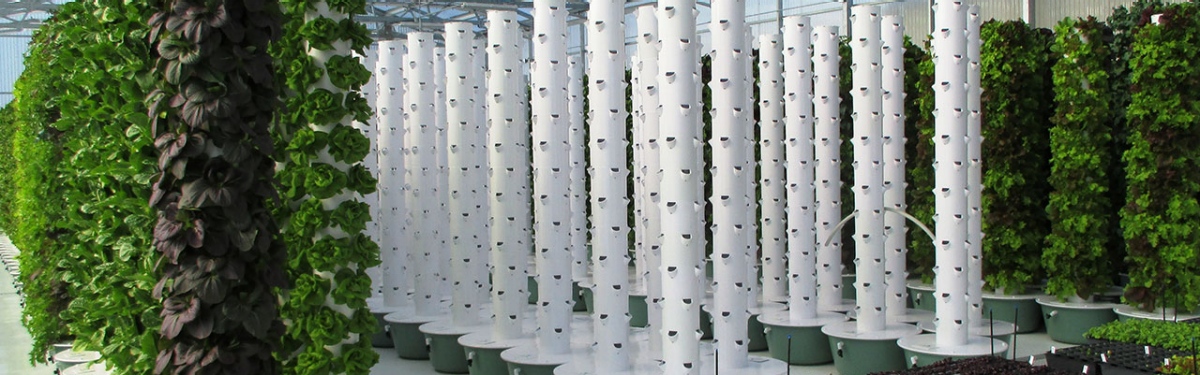
Source: www.towerfarms.com

Challenge 1: Nutrient Management

In aeroponic tower gardening, nutrient management plays a crucial role in ensuring the healthy growth of plants. It involves understanding nutrient requirements, choosing the right nutrient solution, and monitoring and adjusting nutrient levels as needed. Let's take a closer look at each of these challenges and their solutions:

Understanding nutrient requirements:

Different plants have different nutrient requirements at various stages of growth. It is essential to understand the specific needs of the plants you are growing in your aeroponic tower garden. This can be done by researching the nutrient requirements of each plant or consulting gardening experts. Providing the right balance of essential nutrients such as nitrogen, phosphorus, and potassium is key to promoting healthy plant growth.

Choosing the right nutrient solution:

The nutrient solution is the key source of nourishment for the plants in an aeroponic tower garden. It is crucial to choose a high-quality, well-balanced nutrient solution that contains all the necessary macro and micronutrients. Many commercially available nutrient solutions are specifically formulated for hydroponic and aeroponic systems. Conducting thorough research and reading product labels can help you make an informed decision.

Monitoring and adjusting nutrient levels:

Regularly monitoring the nutrient levels in your aeroponic tower garden is essential to ensure optimal plant growth. This can be done by using an electrical conductivity (EC) meter to measure the nutrient concentration in the solution and a pH meter to measure the acidity or alkalinity. If the nutrient levels are too high or too low, adjustments can be made by diluting or increasing the concentration of the nutrient solution. Keeping a log of nutrient measurements can help you track and maintain the appropriate levels.

By addressing these challenges and implementing the solutions mentioned above, you can effectively manage the nutrient requirements of your aeroponic tower garden. This will help promote healthy plant growth and maximize the productivity of your gardening efforts.

Elevate your gardening game with aeroponic tower systems. Uncover tips, tricks, and proven techniques for overcoming hurdles in vertical farming.
Source: agrotonomy.com

Challenge 2: pH Balance

Maintaining the optimal pH levels is crucial in aeroponic tower gardening. pH levels affect the availability of nutrients to plants and can greatly impact their growth and health. However, it can be a challenge to maintain the right pH balance in the system. Let's explore some common pH issues and the solutions to address them.

Identifying common pH issues

There are two common pH issues that aeroponic tower gardeners may encounter:

  1. pH Too High: If the pH level is too high, it means the solution is too alkaline. This can lead to nutrient deficiencies, as certain essential nutrients become less available to the plants.
  2. pH Too Low: Conversely, if the pH level is too low, the solution is too acidic. In this case, the plants may also suffer from nutrient deficiencies, as some nutrients become less soluble at lower pH levels.

Using pH buffering solutions

To maintain the optimal pH levels in aeroponic tower gardening, pH buffering solutions can be used. These solutions help stabilize the pH by balancing any fluctuations.

One commonly used pH buffering solution is potassium hydroxide (KOH) for raising pH levels. It is essential to add it in small amounts and regularly monitor the pH to avoid sudden drastic changes.

Another option is phosphoric acid (H3PO4) for lowering pH levels. Like KOH, it should be added gradually and carefully while monitoring the pH levels consistently.

Regularly testing the pH levels of the nutrient solution using a pH meter or pH test kit is essential for ensuring the plants receive the right balance of nutrients. Adjustments can then be made using the appropriate pH buffering solutions.

By monitoring and addressing pH issues promptly, aeroponic tower gardeners can provide optimal growing conditions for their plants and maximize their growth and productivity

Achieve remarkable results in your garden with Aeroponic Tower Gardening. Learn how to overcome challenges and optimize plant growth for the ultimate harvest.
Source: m.media-amazon.com

Challenge 3: Air Circulation and Oxygenation

In aeroponic tower gardening, maintaining proper air circulation and oxygenation is crucial for the health and growth of plants. Without adequate airflow and oxygen supply, plants can suffer from a lack of nutrients and develop issues like root rot. Therefore, it is essential to implement effective methods to ensure a well-ventilated and oxygen-rich environment for the plants.

Importance of proper air circulation

Proper air circulation is essential for several reasons. It helps in regulating temperature, preventing the build-up of excessive humidity, and reducing the risk of fungal diseases. Additionally, air movement stimulates the strengthening of plant stems, leading to healthier and more robust plants.

Effective methods for oxygenation

To enhance oxygenation in aeroponic tower gardens, there are several techniques that can be employed. One common method is the use of air stones or diffusers, which release bubbles of oxygen into the water reservoir, ensuring that the plant roots receive a constant supply of oxygen. Another approach is to incorporate air pumps that can circulate the air and maintain a steady flow throughout the tower.

Avoiding stagnation and root rot

Stagnant water and poor oxygenation can lead to root rot, a condition where the plant's roots become waterlogged and begin to decay. To avoid this issue, it is crucial to monitor the water level in the reservoir regularly and keep it within the recommended range. Additionally, ensuring that the tower system is properly cleaned and maintained will prevent the accumulation of debris or algae, which can impede airflow and oxygenation.

Overall, proper air circulation and oxygenation are vital components of successful aeroponic tower gardening. By implementing effective methods and maintaining a well-ventilated environment, gardeners can ensure optimal plant health and a thriving garden.

Uncover the secrets of successful Aeroponic Tower Gardening and learn how to overcome common obstacles with our proven solutions. Start growing your own food today!
Source: indoorgrowfarmer.com

Challenge 4: Pest and Disease Control

Identifying common pests and diseases

When practicing aeroponic tower gardening, one of the main challenges that gardeners face is pest and disease control. Pests and diseases can quickly spread and damage the plants, affecting their growth and overall health. It is crucial to stay vigilant and identify common pests and diseases in order to take prompt action. Some common pests in aeroponic tower gardens include aphids, spider mites, whiteflies, and thrips. Diseases such as powdery mildew, root rot, and bacterial leaf spot can also impact plant health.

Using organic and natural pest control methods

To combat pests and diseases in aeroponic tower gardening, it is recommended to use organic and natural pest control methods. Chemical pesticides should be avoided as they can harm not only the pests but also beneficial organisms and the environment. Instead, gardeners can opt for more sustainable solutions.

Some effective organic pest control methods include:

  • Introducing beneficial insects like ladybugs and lacewings that prey on garden pests.
  • Using neem oil or insecticidal soap to deter or eliminate pests.
  • Regularly inspecting plants for signs of infestation and removing infected or damaged parts.

In terms of disease control, proper sanitation practices play a vital role. It is essential to maintain cleanliness, remove and dispose of infected plants or plant parts, and regularly disinfect the growing equipment. This helps prevent the spread of diseases and keeps the plants healthy.

By being proactive and using organic and natural pest control methods, gardeners can effectively address the challenge of pest and disease control in aeroponic tower gardening. With proper care and attention, plants can thrive and produce abundant harvests.

From overcoming space constraints to maximizing plant growth, learn how to conquer the challenges of aeroponic tower gardening for a thriving vertical garden.
Source: agrotonomy.com

Challenge 5: Water Management

When it comes to aeroponic tower gardening, managing water effectively is crucial for the success of your plants. This section will discuss two primary challenges related to water management and solutions to overcome them.

Optimizing water usage

In aeroponic tower gardening, it is essential to optimize water usage to ensure that your plants receive an adequate amount of water without wastage. One solution to optimize water usage is by implementing a recirculating system. This system collects the nutrient-rich water that is not absorbed by the plants and recycles it back to the reservoir. By doing so, you can minimize water wastage and create a more sustainable gardening practice.

Additionally, using a timer and automating the watering process can also help optimize water usage. By setting specific intervals for watering, you can provide the right amount of water to your plants without overdoing it.

Preventing waterlogging and overwatering

Waterlogging and overwatering can be detrimental to your plants' health in aeroponic tower gardens. Excessive water can lead to root rot and the growth of harmful bacteria and fungi. To prevent these issues, it is crucial to ensure proper drainage in your tower system.

One solution is to use a well-draining growing medium, such as coco coir or clay pellets. These mediums allow excess water to drain away from the roots, preventing waterlogging.

Additionally, monitoring the moisture levels in the tower system is vital to prevent overwatering. You can use moisture sensors or simply check the moisture content of the growing medium regularly. Based on these observations, adjust the watering schedule accordingly to maintain an optimal moisture balance.

Overall, water management is a crucial aspect of aeroponic tower gardening. By optimizing water usage and preventing waterlogging and overwatering, you can ensure healthier plants and a more efficient gardening practice.
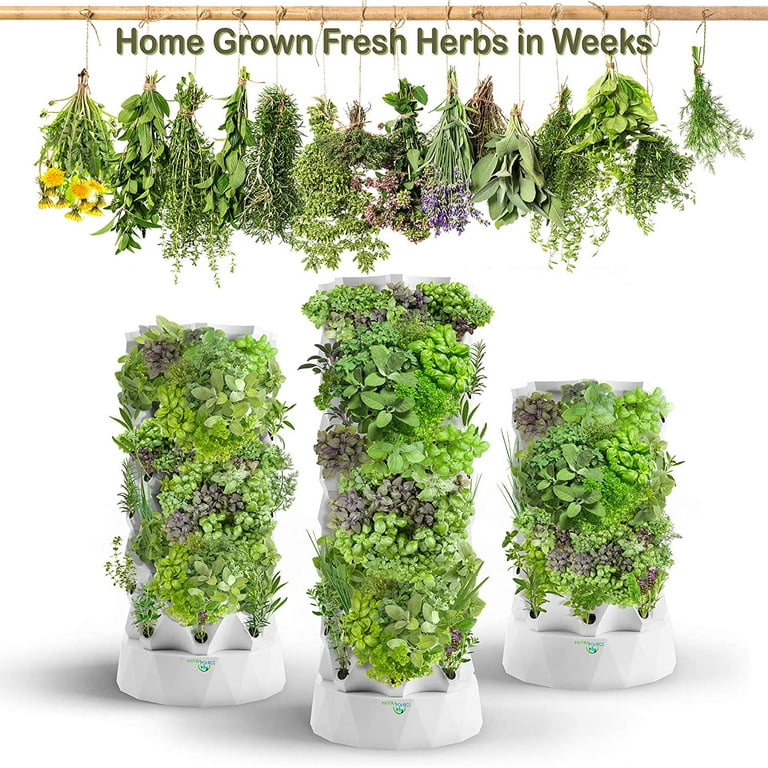
Take your gardening skills to new heights with aeroponic tower gardening. Learn how to tackle challenges and reap the rewards of sustainable, efficient planting.
Source: i5.walmartimages.com

Solution 1: Technology Advancements

One of the key challenges in aeroponic tower gardening is maintaining optimal conditions for plant growth. However, advancements in technology have provided innovative solutions to overcome these challenges and optimize the performance of aeroponic tower gardens.

Automated monitoring and control systems

Automated monitoring and control systems: Modern aeroponic tower gardens are equipped with automated monitoring and control systems that constantly monitor and adjust the environmental parameters essential for plant growth. These systems can regulate factors such as temperature, humidity, and light, ensuring that plants receive the ideal conditions for growth. Some advanced systems even have built-in timers for automatic nutrient delivery and misting cycles, reducing the need for constant manual supervision.

Sensors and data analysis for precise nutrient and pH management

Sensors and data analysis for precise nutrient and pH management: Another significant challenge in aeroponic tower gardening is maintaining the correct nutrient and pH levels for the plants. However, with the use of sensors and data analysis, growers can now achieve precise nutrient and pH management. Sensors placed in the tower garden can measure nutrient levels and pH, and the data collected can be analyzed to make informed adjustments. This ensures that plants receive the exact amount of nutrients they need, leading to optimized growth and higher yields.

These technological advancements have revolutionized aeroponic tower gardening, making it more accessible and efficient for both home gardeners and commercial growers. With automated monitoring and control systems and precise nutrient and pH management, growers can now create an ideal environment for plant growth and maximize their harvests.
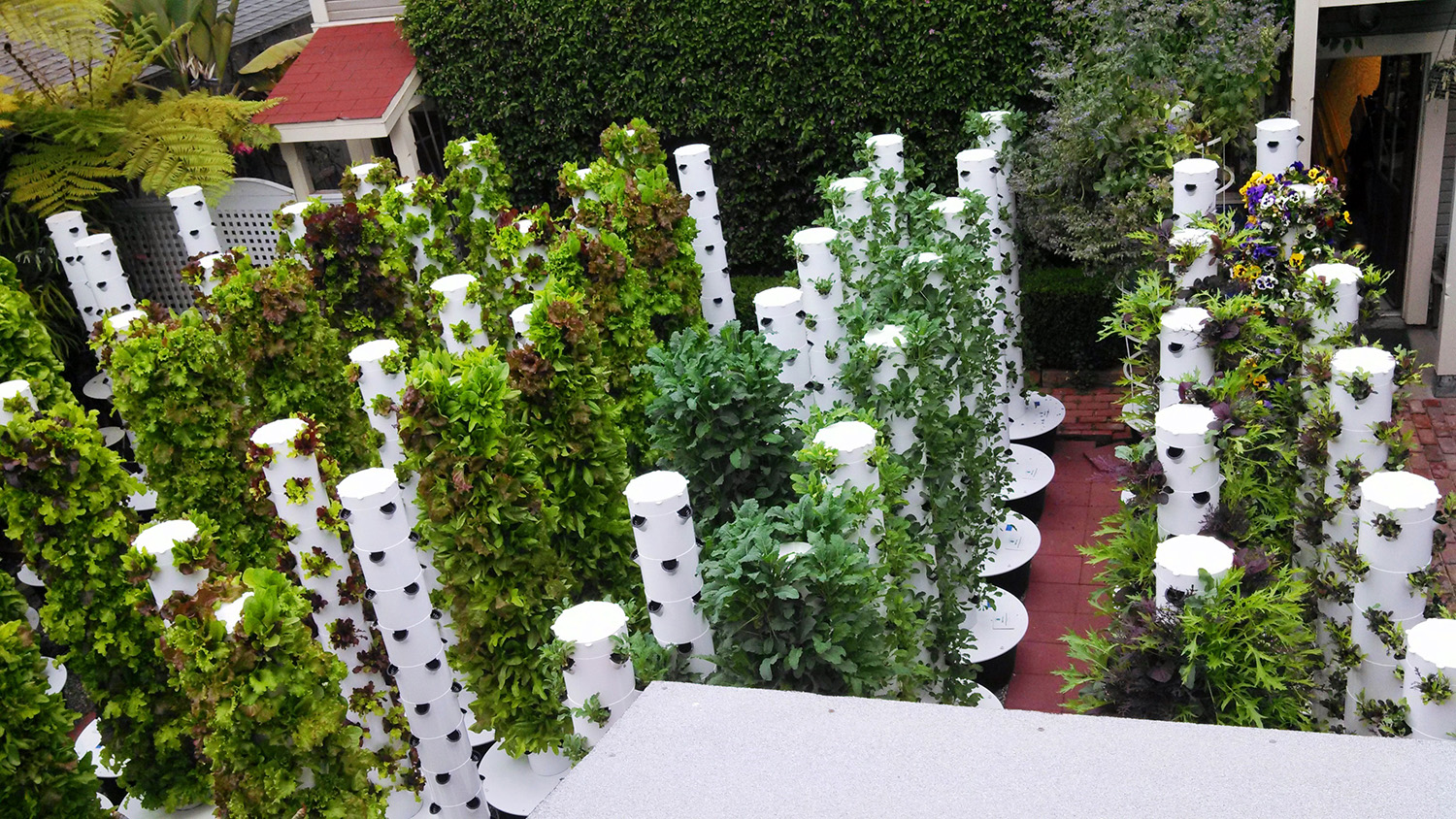
Say goodbye to traditional gardening methods and embrace the future with aeroponic tower gardening. Overcome obstacles and reap the rewards!
Source: futuregrowing.files.wordpress.com

Solution 2: Education and Knowledge Sharing

When it comes to aeroponic tower gardening, there are certainly challenges that can arise. One of the key solutions to overcome these challenges is through education and knowledge sharing. By providing training resources and information on aeroponic gardening, individuals can enhance their skills and overcome any obstacles they may encounter.

Training resources for aeroponic gardening

Training resources: Educating oneself about aeroponic tower gardening is essential for success. There are several options for accessing training resources, including online courses, workshops, and gardening forums. Websites like Gardening Know How provide detailed articles and guides on aeroponic gardening techniques.

Workshops and courses: Many gardening centers and agricultural institutions offer workshops and courses specifically focused on aeroponic gardening. These hands-on experiences provide valuable insights and practical knowledge that can help overcome any challenges faced by beginners.

Gardening communities: Joining gardening communities or forums can be immensely beneficial in sharing and gaining knowledge about aeroponic gardening. These platforms allow individuals to connect with experienced gardeners who can provide guidance and answer any questions or concerns.

It is important to note that each challenge faced in aeroponic tower gardening can require unique solutions. By leveraging education and knowledge sharing resources, individuals can gain the skills and insights needed to overcome these challenges and ensure successful and thriving aeroponic gardens.
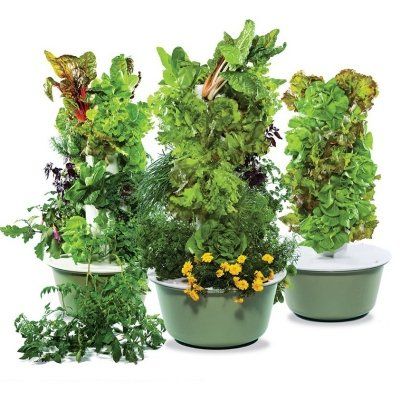
Dive into the world of aeroponic tower gardening and learn how to overcome obstacles for a thriving garden. Fresh, healthy produce awaits you!
Source: lirp.cdn-website.com

Conclusion

Overcoming challenges in aeroponic tower gardening

Despite the numerous challenges that come with aeroponic tower gardening, there are solutions that can help enthusiasts thrive in this innovative gardening method. By addressing these challenges head-on, gardeners can create a successful and sustainable aeroponic tower garden.

Challenge: Nutrient management Maintaining the right balance of nutrients is crucial for the health and growth of plants in aeroponic systems. However, it can be challenging to ensure that plants receive adequate nutrients in this soil-less environment. One solution is to use a nutrient-rich solution specifically formulated for aeroponic gardening. Regular monitoring and adjusting of nutrient levels can help maintain optimal plant health.

Challenge: Temperature and humidity control Controlling temperature and humidity is crucial for the success of aeroponic tower gardening. High temperatures can lead to dehydration, while excessive humidity can promote the growth of mold and diseases. Using ventilation systems, shade covers, and humidity monitors can help regulate these environmental factors and create an optimal growing environment.

Challenge: Pest and disease managementWithout the protecting barrier of soil, plants in aeroponic tower gardens can be more vulnerable to pest infestations and diseases. Implementing integrated pest management strategies, such as natural pest deterrents and regular plant inspections, can help prevent and manage these issues without the use of harmful chemicals.

Benefits and future potential of this innovative gardening methodDespite the challenges, aeroponic tower gardening offers numerous benefits. It allows for efficient water and nutrient usage, maximizes growing space, reduces the need for pesticides and herbicides, and provides a year-round growing option. As technology improves and more research is conducted, the potential for aeroponic tower gardening to revolutionize the agricultural industry is immense.

Overall, aeroponic tower gardening presents an exciting and sustainable approach to home gardening and commercial farming. By understanding and addressing the challenges involved, enthusiasts can enjoy the rewards of this innovative method while contributing to a healthier and more environmentally friendly future.

  1. Benefits of Water Conservation
    • Description: This article delves into the importance of conserving water and the various benefits it brings to both the environment and society. It provides insights into how water conservation can lead to energy savings, habitat protection, and more.
  2. What Is Water Conservation?
    • Description: Constellation offers a comprehensive guide on water conservation, explaining its significance and providing practical tips for individuals and communities to save water. The article emphasizes the interconnectedness of water and energy conservation.
  3. 5 Benefits of Water Conservation - The Sustainable Travel
    • Description: The Sustainable Travel highlights five key benefits of water conservation, emphasizing its role in sustainable living. The article discusses the environmental, economic, and societal advantages of using water wisely.
  4. Water conservation - Wikipedia
    • Description: Wikipedia provides an in-depth overview of water conservation, its history, methods, and the benefits of conserving water. The page serves as a comprehensive resource for understanding the global importance of water conservation.
https://hydroponicharmony.com/challenges-aeroponic-tower-gardening/?feed_id=3822&_unique_id=65f31c75c5ede

Wednesday, March 6, 2024

The Benefits of Aeroponic Tower Gardening: A Comparative Analysis

Want to grow more food in less space? Dive into the world of aeroponic tower gardening and reap the rewards of a sustainable, efficient, and productive garden.

Aeroponic tower gardening is an innovative method of growing crops that has become increasingly popular in recent years. This technique involves suspending plants in a vertical tower and using a nutrient-rich mist to deliver water and nutrients directly to the roots. Unlike traditional farming, which relies on soil and can be limited by environmental factors, aeroponic tower gardening offers a range of benefits that make it an attractive option for growers of all levels.

In this article, we will explore the benefits of aeroponic tower gardening and compare it to traditional farming methods. We will examine the environmental impact of this technique and discuss the crops that are most suitable for aeroponic tower gardening. Additionally, we will provide guidance on how to set up an aeroponic tower garden, scale the technique to meet your needs, and address some of the challenges that growers may face along the way. By the end of this article, you will have a comprehensive understanding of aeroponic tower gardening and the benefits it can offer.

Key Takeaways

  • Aeroponic tower gardening is an innovative method of growing crops that delivers water and nutrients directly to the roots, offering a range of benefits over traditional farming methods.
  • This technique is environmentally friendly and suitable for a wide range of crops, making it an attractive option for growers of all levels.
  • With the right guidance and support, growers can set up and scale an aeroponic tower garden to meet their needs and overcome any challenges they may encounter.
Benefits of Aeroponic Tower Gardening
Get ready to reap the rewards of aeroponic tower gardening! From saving space to conserving water, discover how this innovative method can transform your garden. Benefits of Aeroponic Tower Gardening

Understanding Aeroponic Tower Gardening

Aeroponic System

When it comes to aeroponic tower gardening, it is essential to understand the aeroponic system. The aeroponic system is a type of hydroponic system that uses a misting mechanism to provide the plant roots with the necessary nutrients and water. This system is unique because it does not use soil or any other growing medium.

The aeroponic system works by pumping water and nutrients to the top of the tower, where it is then misted over the roots of the plants. The roots are suspended in the air, allowing them to absorb the nutrients and water they need to grow. This system is highly efficient because it allows the plants to absorb nutrients and water quickly, resulting in faster growth and higher yields.

Vertical Design

Another important aspect of aeroponic tower gardening is the vertical design. The vertical design of the tower allows for a large number of plants to be grown in a small space. This is especially beneficial for those who have limited space for gardening.

The vertical design also makes it easier to care for the plants. Since the plants are stacked on top of each other, there is no need to bend down to tend to them. This makes it easier on the back and knees, making it an ideal option for those with physical limitations.

Aeroponic Technology

Aeroponic technology is what makes aeroponic tower gardening possible. This technology allows for the misting mechanism to work efficiently, ensuring that the plants receive the necessary nutrients and water.

Aeroponic technology has been around for decades, but it is only in recent years that it has become more accessible to the average gardener. This is due in part to advances in technology, which have made it easier and more affordable to set up an aeroponic system.

In conclusion, understanding the aeroponic system, vertical design, and aeroponic technology is crucial to successful aeroponic tower gardening. By utilizing this innovative system, gardeners can grow more plants in less space, while also enjoying faster growth and higher yields.

Benefits of Aeroponic Tower Gardening

Comparison with Traditional Farming

When comparing aeroponic tower gardening with traditional farming, we can see that there are several advantages to using this innovative method of growing plants. Here, we will take a closer look at some of the key differences between these two approaches.

Space and Resources

One of the most significant benefits of aeroponic tower gardening is that it requires far less space and resources than traditional farming. With traditional farming, large plots of land are required to grow crops, which can be expensive to purchase or lease. In contrast, aeroponic tower gardens can be set up in small spaces, such as balconies or patios, and can even be used indoors.

Additionally, traditional farming requires a significant amount of water, fertilizer, and other resources to keep crops healthy. In contrast, aeroponic tower gardens use a fraction of the resources needed for traditional farming, making them a more sustainable and environmentally-friendly option.

Yield and Harvest

When it comes to yield and harvest, aeroponic tower gardening has several advantages over traditional farming. Because plants are grown vertically in aeroponic towers, they can be grown closer together, which means that more plants can be grown in a smaller space. This can lead to higher yields and more frequent harvests.

Another advantage of aeroponic tower gardening is that it allows for year-round growing, regardless of the weather outside. This means that crops can be harvested more frequently and consistently, leading to a more reliable supply of fresh produce.

Disease and Pests

Finally, aeroponic tower gardening has an advantage over traditional farming when it comes to disease and pests. Traditional farming is often plagued by pests and diseases that can destroy crops and lead to significant losses. In contrast, aeroponic tower gardens are less susceptible to pests and diseases, as the plants are grown in a controlled environment that is less conducive to the growth of harmful organisms.

Overall, when comparing aeroponic tower gardening to traditional farming, it is clear that there are several advantages to using this innovative method of growing plants. With its ability to conserve space and resources, increase yield and harvest, and reduce the risk of disease and pests, aeroponic tower gardening is a promising alternative to traditional gardening methods.

Benefits of Aeroponic Tower Gardening
Say goodbye to traditional gardening hassles and hello to the innovative world of aeroponic tower gardening. Enjoy fresh, organic produce at your fingertips! Benefits of Aeroponic Tower Gardening

Environmental Impact Benefits of Aeroponic Tower Gardening

Water Conservation

Aeroponic tower gardening is an efficient way to conserve water. Compared to traditional soil-based gardening, aeroponic tower gardening uses up to 90% less water. This is because the water used in aeroponic tower gardening is recycled and reused. The system pumps water to the top of the tower, and the water trickles down through the roots of the plants. Any excess water is collected at the bottom of the tower and recirculated back to the top. This closed-loop system reduces water waste and ensures that plants receive the necessary amount of water.

Reduced Pesticides and Herbicides

Aeroponic tower gardening reduces the need for pesticides and herbicides. Because the plants are grown in a controlled environment, pests and weeds are less likely to thrive. Additionally, aeroponic gardening allows for the use of natural pest control methods, such as ladybugs and praying mantises. This reduces the need for harmful chemicals that can harm the environment and our health.

Sustainability

Aeroponic tower gardening is a sustainable way to grow plants. The closed-loop system used in aeroponic tower gardening reduces water waste and ensures that plants receive the necessary amount of water. Additionally, aeroponic tower gardening can be done indoors, which reduces the need for land and allows for year-round growing. This makes aeroponic tower gardening an ideal choice for urban areas where access to land is limited.

Overall, aeroponic tower gardening has a positive impact on the environment, water conservation, and sustainability. By reducing the need for pesticides and herbicides and using a closed-loop system, aeroponic tower gardening is a more eco-friendly way to grow plants.

Benefits of Aeroponic Tower Gardening
Unlock the secrets to successful gardening with aeroponic tower systems. Explore the countless benefits and take your green thumb to new heights. Benefits of Aeroponic Tower Gardening

Benefits of Aeroponic Tower Gardening

Faster Growth

One of the main benefits of aeroponic tower gardening is that it allows for faster growth of plants compared to traditional soil-based gardening. This is because the plants are grown in a nutrient-rich mist that is constantly sprayed onto their roots. This means that the plants are able to absorb nutrients more efficiently and grow at a faster rate.

Higher Yields

Aeroponic tower gardening also results in higher yields compared to traditional soil-based gardening. This is because the plants are able to grow more efficiently and are not limited by the amount of nutrients available in the soil. Additionally, the vertical design of the towers allows for more plants to be grown in a smaller space, which means that more produce can be harvested from the same area.

Nutritional Value

Another benefit of aeroponic tower gardening is that it results in produce that is more nutritious compared to traditional soil-based gardening. This is because the plants are grown in a controlled environment and are able to absorb nutrients more efficiently. Additionally, because the plants are not grown in soil, they are not exposed to soil-borne diseases and pests, which means that they do not need to be treated with harmful pesticides and herbicides.

In summary, aeroponic tower gardening offers several benefits over traditional soil-based gardening, including faster growth, higher yields, and more nutritious produce. By growing plants in a nutrient-rich mist, we are able to provide them with the ideal growing conditions, resulting in healthier and more abundant crops.

Benefits of Aeroponic Tower Gardening
Experience the future of gardening with aeroponic tower systems. Explore the numerous benefits and grow your own fresh, healthy food effortlessly. Benefits of Aeroponic Tower Gardening

Crops Suitable for Aeroponic Tower Gardening

Fruits and Vegetables

When it comes to aeroponic tower gardening, we have found that a wide variety of fruits and vegetables can be grown successfully. Some of the most popular crops include lettuce, tomatoes, peppers, cucumbers, and strawberries. These plants thrive in an aeroponic environment because they require a lot of water and nutrients to grow, which can be easily provided through the misting system.

Lettuce is one of the easiest crops to grow in an aeroponic tower garden. It grows quickly and can be harvested in as little as three weeks. Tomatoes and peppers also do well in this environment, and they can produce a high yield of fruit. Cucumbers are another popular choice, as they can be trained to grow up the tower, which saves space and makes harvesting easier. Strawberries are also a great option, as they can be grown year-round and produce a sweet, juicy fruit.

Herbs

In addition to fruits and vegetables, we have found that herbs also do well in an aeroponic tower garden. Some of the most popular herbs include basil, kale, and parsley. These plants are easy to grow and require minimal maintenance. They also add a lot of flavor to your meals and can be used in a variety of dishes.

Basil is a particularly good choice for an aeroponic tower garden, as it grows quickly and produces a lot of leaves. Kale is another good option, as it is packed with vitamins and minerals and can be harvested multiple times. Parsley is also a popular choice, as it adds a fresh, bright flavor to your meals.

Overall, we have found that aeroponic tower gardening is a great way to grow a wide variety of crops, including fruits, vegetables, and herbs. With the right setup and care, you can produce a high yield of fresh, healthy produce right in your own backyard.

Benefits of Aeroponic Tower Gardening
Elevate your gardening prowess with aeroponic tower systems. Enjoy bountiful harvests, reduced water usage, and a greener way to grow your own food. Benefits of Aeroponic Tower Gardening

Setting Up an Aeroponic Tower Garden

When setting up an aeroponic tower garden, there are a few key steps to follow to ensure success. In this section, we will cover the required equipment, maintenance, and monitoring needed to set up and maintain an aeroponic tower garden.

Required Equipment

Before setting up an aeroponic tower garden, we need to make sure we have all the necessary equipment. Here is a list of the required equipment:

The aeroponic tower garden is the centerpiece of the setup. It consists of a vertical tower with multiple levels for growing plants. The tower is filled with a growing medium and plants are grown hydroponically, with their roots suspended in air and misted with nutrient solution.

The reservoir is used to hold the nutrient solution, which is pumped up to the top of the tower and misted onto the plants. The timer is used to control the pump, ensuring that the plants receive the right amount of nutrient solution at regular intervals.

The low-wattage submersible pump is used to pump the nutrient solution from the reservoir to the top of the tower. It is important to use a low-wattage pump to avoid heating the nutrient solution, which can harm the plants.

An oxygen source can be used to add oxygen to the nutrient solution, which can help the plants grow faster. Grow lights can also be used to provide additional light to the plants, especially if they are being grown indoors.

Benefits of Aeroponic Tower Gardening
Discover a new way to garden with aeroponic tower systems. Experience improved plant health, reduced water usage, and less maintenance for a thriving garden. Benefits of Aeroponic Tower Gardening

Maintenance

Maintaining an aeroponic tower garden is relatively simple, but it does require regular attention. Here are some key maintenance tasks:

  • Refilling the reservoir with fresh nutrient solution
  • Checking the pH and nutrient levels of the solution
  • Cleaning the pump and tubing
  • Checking the plants for pests and diseases
  • Pruning the plants as needed

It is important to monitor the pH and nutrient levels of the solution regularly to ensure that the plants are receiving the right nutrients. Cleaning the pump and tubing is also important to prevent clogs and ensure that the nutrient solution is flowing smoothly.

Monitoring

Monitoring an aeroponic tower garden is critical to ensuring that the plants are healthy and growing properly. Here are some key things to monitor:

  • The pH and nutrient levels of the solution
  • The temperature and humidity of the growing area
  • The growth and health of the plants
  • The pump and tubing for clogs or other issues

Regular monitoring can help identify any issues early on and prevent them from becoming more serious problems. By keeping a close eye on the plants and the equipment, we can ensure that our aeroponic tower garden is thriving.

Benefits of Aeroponic Tower Gardening
Discover a new way to garden with aeroponic tower systems. Experience improved plant health, reduced water usage, and less maintenance for a thriving garden. Benefits of Aeroponic Tower Gardening

Scaling Aeroponic Tower Gardening

For Hobbyists

As we have discussed earlier, aeroponic tower gardening is an excellent way to grow plants without soil, and it is a perfect fit for hobbyists who want to grow a small number of plants indoors or outdoors. Aeroponic tower gardening systems are scalable, and hobbyists can easily expand their systems by adding more towers to their setup. This means that hobbyists can grow more plants in less space and with less water than traditional soil-based gardening.

For Commercial Use

Scaling aeroponic tower gardening is also a viable option for commercial use. Tower farms, which are vertical farms that use aeroponic tower gardening systems, are becoming increasingly popular in urban areas. Tower farms can be set up in small spaces, making them an excellent option for urban areas where land is scarce. Moreover, tower farms can be used to grow a wide range of crops, including fruits, vegetables, and herbs.

In the agricultural sector, aeroponic tower gardening has the potential to revolutionize the way we grow crops. Aeroponic tower gardening systems can be used to grow crops in areas where traditional farming methods are not viable. For example, aeroponic tower gardening systems can be used to grow crops in arid regions where water is scarce.

In conclusion, scaling aeroponic tower gardening systems is an excellent option for both hobbyists and commercial use. Tower farms are becoming increasingly popular in urban areas and have the potential to revolutionize the agricultural sector.

Benefits of Aeroponic Tower Gardening
Elevate your gardening game with aeroponic tower systems. Enjoy the benefits of reduced water usage, faster growth rates, and superior plant health for a thriving garden like never before! Benefits of Aeroponic Tower Gardening

Challenges and Solutions in Aeroponic Tower Gardening

Potential Problems

When it comes to aeroponic tower gardening, there are a few potential problems that we may encounter. One of the most common problems is the growth of weeds. Weeds can easily grow in the towers and compete with the plants for nutrients and water. To prevent this, we need to make sure that the towers are properly maintained and any weeds are removed as soon as possible.

Another potential problem is disease. If one plant in the tower gets infected with a disease, it can easily spread to the other plants. To prevent this, we need to make sure that the towers are properly sterilized before planting and that we use disease-resistant plants.

Pests are also a potential problem in aeroponic tower gardening. Pests such as aphids, spider mites, and whiteflies can easily infest the towers and damage the plants. To prevent this, we need to make sure that the towers are properly maintained and any pests are removed as soon as possible.

Troubleshooting

If we encounter any problems in our aeroponic tower garden, there are several troubleshooting steps we can take. If we notice that the plants are not growing properly, we may need to adjust the nutrient-rich solution. We can also check the pH level of the solution to make sure it is within the proper range.

If we notice that the plants are wilting, we may need to adjust the watering schedule. We can also check the aeroponic system to make sure that there are no clogs or blockages.

If we notice any pests or disease, we can use natural remedies such as neem oil or insecticidal soap to control the problem. We can also remove any infected plants to prevent the spread of disease.

Overall, while there are some potential challenges in aeroponic tower gardening, with proper maintenance and troubleshooting, we can overcome these challenges and enjoy the benefits of this innovative gardening method.

Benefits of Aeroponic Tower Gardening
Uncover the advantages of aeroponic tower gardening for vibrant, flourishing plants. Say goodbye to soil-borne diseases and hello to an abundant, sustainable garden. Benefits of Aeroponic Tower Gardening

Conclusion

In conclusion, we have analyzed the benefits of aeroponic tower gardening and compared it to other traditional gardening methods. From our research, we have found that aeroponic tower gardening offers several advantages, including:

We also found that aeroponic tower gardening has some limitations, such as the initial cost of purchasing the equipment and the need for a reliable source of electricity. However, these limitations are outweighed by the benefits that aeroponic tower gardening provides.

Overall, we believe that aeroponic tower gardening is a promising method for growing plants and vegetables, especially in urban areas where space is limited. With more research and development, we believe that this method of gardening can become even more efficient and sustainable.

Frequently Asked Questions

How does aeroponics work?

Aeroponics is a method of growing plants without soil, using a nutrient-rich mist to feed the roots. In a tower garden, the plants are placed in a vertical tower, with the roots exposed to the mist. The mist is created by a pump that sprays water and nutrients onto the roots at regular intervals. This allows the plants to grow quickly and efficiently, without the need for soil.

Why are Tower Gardens important?

Tower Gardens are important because they allow us to grow fresh, healthy food in a small space. They are perfect for urban areas where space is limited, and they can be used to grow a wide variety of fruits, vegetables, and herbs. They are also environmentally friendly, using less water and fewer pesticides than traditional farming methods.

Aeroponics vs hydroponics: Which is better?

Both aeroponics and hydroponics are effective methods of growing plants without soil. However, aeroponics is generally considered to be more efficient, as it uses less water and fewer nutrients than hydroponics. Aeroponic towers also allow for more vertical growth, which can be useful in small spaces.

Where can you put a tower garden?

Tower Gardens can be placed almost anywhere, as long as they have access to electricity and water. They are perfect for balconies, patios, rooftops, and even indoors. They are also easy to move, so you can change their location if needed.

What are the benefits of aeroponic farming?

Aeroponic farming has many benefits, including faster growth rates, higher yields, and less water usage. It also allows for more control over the growing environment, which can lead to healthier plants and better-tasting produce. Additionally, aeroponic towers are easy to maintain and require less space than traditional farming methods.

Do aeroponic towers work effectively?

Yes, aeroponic towers are highly effective at growing plants. They provide a nutrient-rich environment that allows plants to grow quickly and efficiently, without the need for soil. Additionally, they are easy to maintain and can be used to grow a wide variety of fruits, vegetables, and herbs.

  1. American Community Gardening Association - Guidelines
    • Description: This page provides guidelines for starting and maintaining community gardens, including rules for participation, plot maintenance, and shared responsibilities. It's a valuable resource for those looking to foster community through gardening.
  2. Royal Horticultural Society - Garden Rules and Regulations
  3. National Park Service - Community Garden Rules
    • Description: The National Park Service in the U.S. provides a set of standardized community garden rules, covering aspects like plot assignment, garden maintenance, and conflict resolution. It's a useful template for community garden organizers.
  4. Gardeners' World - Rules for Allotment Gardening
    • Description: This article from Gardeners' World focuses on the rules for allotment gardening, a popular practice in many countries. It covers aspects like permitted structures, cultivation requirements, and keeping animals. It's a handy guide for those with or considering an allotment garden.
https://hydroponicharmony.com/the-benefits-of-aeroponic-tower-gardening/?feed_id=1327&_unique_id=65e8d5f89a7e9

15 Surprising Pros & Cons of Hydroponic Farming

Welcome to the world of hydroponic farming, where soil takes a backseat and plants thrive in innovative ways. Unlocking the secrets of pl...