Showing posts with label CommercialHydroponics. Show all posts

Tuesday, March 19, 2024

Breaking Down the Costs: A Comprehensive Guide to Hydroponic System Prices

Ready to dive into hydroponic systems? Our guide breaks down everything you need to know about system prices, giving you an edge in planning. Breaking Down the Costs!

Hydroponic systems have gained popularity in recent years as a sustainable and efficient way of growing plants without soil. However, the cost of setting up a hydroponic system can be a major barrier for many people. If you’re interested in starting your own hydroponic garden but don’t know where to start, this comprehensive guide is for you. In this article, we’ll break down the costs of different types of hydroponic systems, from the basic DIY setups to more advanced commercial systems. We’ll also discuss the ongoing expenses and maintenance requirements associated with each type of system. By the end of this guide, you’ll have a clear understanding of the costs involved in setting up and maintaining a hydroponic system, and you’ll be better equipped to make an informed decision about which system is right for you. So let’s dive in and break down the costs of hydroponic systems!

Ready to dive into hydroponics? Our guide breaks down everything you need to know about system prices, giving you an edge in planning. Breaking Down the Costs!

Types of Hydroponic Systems

Before we dive into the costs associated with different types of hydroponic systems, let’s take a quick look at the various types of hydroponic systems available. There are six main types of hydroponic systems, each with its own unique features and benefits. These include:

– Deep Water Culture (DWC)

– Nutrient Film Technique (NFT)

– Drip Irrigation System

– Ebb and Flow System

– Aeroponics

– Wick System

Each of these systems works in a slightly different way, but they all share the same basic principle of growing plants without soil. Some systems are more suited to certain types of plants, while others are more expensive to set up and maintain. Let’s take a closer look at how each of these systems works and how much they cost to set up.

Take the guesswork out of budgeting for a hydroponic system. Our comprehensive guide breaks down costs and helps you make informed decisions. Breaking Down the Costs!

Factors that Affect Hydroponic System Prices

There are several factors that can affect the cost of a hydroponic system. These include the size and complexity of the system, the type of plants you want to grow, and the quality of the equipment you use. Other factors that can affect the cost include the cost of electricity, water, and nutrients. Let’s take a closer look at each of these factors and how they can affect the cost of a hydroponic system.

### Size and Complexity of the System

The size and complexity of the hydroponic system you choose will have a significant impact on its cost. Smaller, simpler systems are generally less expensive than larger, more complex systems. This is because they require fewer materials and are easier to set up. However, larger systems can produce more plants and are better suited to commercial applications. They also require more materials and are more expensive to set up.

### Type of Plants You Want to Grow

The type of plants you want to grow will also affect the cost of your hydroponic system. Some plants are more difficult to grow than others, and may require more specialized equipment. For example, plants that require a lot of light may require expensive grow lights, while plants that require a lot of water may require a more complex irrigation system.

### Quality of the Equipment You Use

The quality of the equipment you use will also affect the cost of your hydroponic system. Higher-quality equipment is generally more expensive, but it can also be more reliable and have a longer lifespan. Cheaper equipment may be more affordable in the short term, but it may need to be replaced more frequently, which can add up over time.

### Cost of Electricity, Water, and Nutrients

Finally, the cost of electricity, water, and nutrients will also affect the cost of your hydroponic system. Hydroponic systems require electricity to power pumps and lights, and they require water and nutrients to grow plants. The cost of these resources can vary depending on your location, and they can add up over time.

Discover all you need to know about hydroponic system prices in this comprehensive guide. Breaking down the costs has never been easier!

Cost Breakdown for Basic Hydroponic Systems

Basic hydroponic systems are the most affordable and easiest to set up. They are often simple DIY setups that can be made from materials found at a hardware store. Here is a breakdown of the costs associated with setting up a basic hydroponic system:

### Deep Water Culture (DWC)

A basic DWC system can be made from a plastic container, an air pump, air stones, and net pots. The total cost for these materials is typically around $50.

### Nutrient Film Technique (NFT)

A basic NFT system can be made from a PVC pipe, a submersible pump, and net cups. The total cost for these materials is typically around $75.

### Drip Irrigation System

A basic drip irrigation system can be made from a plastic container, tubing, and a submersible pump. The total cost for these materials is typically around $50.

### Ebb and Flow System

A basic ebb and flow system can be made from a plastic container, tubing, and a submersible pump. The total cost for these materials is typically around $75.

### Aeroponics

A basic aeroponics system can be made from PVC pipes, spray nozzles, and a submersible pump. The total cost for these materials is typically around $100.

### Wick System

A basic wick system can be made from a plastic container, wicks, and net pots. The total cost for these materials is typically around $25.

Don't break the bank! Our comprehensive guide breaks down hydroponic system prices, making it simple to find the perfect fit for your budget.
Don’t break the bank! Our comprehensive guide breaks down hydroponic system prices, making it simple to find the perfect fit for your budget.

Cost Breakdown for Advanced Hydroponic Systems

Advanced hydroponic systems are typically more expensive and complex than basic systems. They are often used for commercial applications or for growing more specialized plants. Here is a breakdown of the costs associated with setting up an advanced hydroponic system:

### Deep Water Culture (DWC)

An advanced DWC system can be made from a larger plastic container, higher-quality air pump, air stones, and net pots. The total cost for these materials is typically around $200.

### Nutrient Film Technique (NFT)

An advanced NFT system can be made from a larger PVC pipe, higher-quality submersible pump, and net cups. The total cost for these materials is typically around $250.

### Drip Irrigation System

An advanced drip irrigation system can be made from a larger plastic container, higher-quality tubing, and a submersible pump. The total cost for these materials is typically around $200.

### Ebb and Flow System

An advanced ebb and flow system can be made from a larger plastic container, higher-quality tubing, and a submersible pump. The total cost for these materials is typically around $250.

### Aeroponics

An advanced aeroponics system can be made from higher-quality PVC pipes, spray nozzles, and a submersible pump. The total cost for these materials is typically around $300.

### Wick System

An advanced wick system can be made from a larger plastic container, higher-quality wicks, and net pots. The total cost for these materials is typically around $100.

Dive into the world of hydroponics with our comprehensive guide. Learn how to break down costs and find affordable hydroponic systems for any budget.

DIY Hydroponic System Costs

If you’re handy with tools and enjoy DIY projects, you can save a significant amount of money by building your own hydroponic system. DIY hydroponic systems can be made from a variety of materials, including PVC pipes, buckets, and plastic containers. Here is a breakdown of the costs associated with building a DIY hydroponic system:

### Deep Water Culture (DWC)

The cost of building a DIY DWC system will depend on the materials you use. A basic DIY DWC system can be made from a plastic container, an air pump, air stones, and net pots for around $50. A more advanced DIY DWC system made from higher-quality materials can cost up to $200.

### Nutrient Film Technique (NFT)

The cost of building a DIY NFT system will also depend on the materials you use. A basic DIY NFT system can be made from a PVC pipe, a submersible pump, and net cups for around $75. A more advanced DIY NFT system made from higher-quality materials can cost up to $250.

### Drip Irrigation System

The cost of building a DIY drip irrigation system will depend on the materials you use. A basic DIY drip irrigation system can be made from a plastic container, tubing, and a submersible pump for around $50. A more advanced DIY drip irrigation system made from higher-quality materials can cost up to $200.

### Ebb and Flow System

The cost of building a DIY ebb and flow system will also depend on the materials you use. A basic DIY ebb and flow system can be made from a plastic container, tubing, and a submersible pump for around $75. A more advanced DIY ebb and flow system made from higher-quality materials can cost up to $250.

### Aeroponics

The cost of building a DIY aeroponics system will depend on the materials you use. A basic DIY aeroponics system can be made from PVC pipes, spray nozzles, and a submersible pump for around $100. A more advanced DIY aeroponics system made from higher-quality materials can cost up to $300.

### Wick System

The cost of building a DIY wick system will depend on the materials you use. A basic DIY wick system can be made from a plastic container, wicks, and net pots for around $25. A more advanced DIY wick system made from higher-quality materials can cost up to $100.

Dive into the world of hydroponics with our comprehensive guide. Learn how to break down costs and find affordable hydroponic systems for any budget.

Maintenance Costs for Hydroponic Systems

In addition to the initial setup costs, hydroponic systems also require ongoing maintenance. This includes regular cleaning, nutrient replenishment, and replacement of worn or damaged equipment. Here is a breakdown of the ongoing maintenance costs associated with hydroponic systems:

### Cleaning and Maintenance

Hydroponic systems require regular cleaning to prevent the buildup of algae and other contaminants. This typically involves draining the system, cleaning the equipment, and refilling with fresh water and nutrients. The cost of cleaning and maintenance will depend on the size of the system, but it typically ranges from $50 to $100 per year.

### Nutrient Replenishment

Hydroponic systems require regular nutrient replenishment to ensure that plants have the necessary nutrients to grow. The cost of nutrient replenishment will depend on the size of the system and the type of plants you’re growing, but it typically ranges from $50 to $100 per year.

### Equipment Replacement

Hydroponic systems require replacement of worn or damaged equipment over time. This can include pumps, tubing, and grow lights. The cost of equipment replacement will depend on the type and quality of the equipment, but it typically ranges from $50 to $200 per year.

Discover the true costs of hydroponic systems with our comprehensive guide. Get ready to maximize your yields and save money!

Cost Comparison Between Hydroponic and Traditional Soil Systems

When considering the cost of a hydroponic system, it’s important to compare it to the cost of a traditional soil-based system. While the initial setup costs of a hydroponic system can be higher than a traditional system, the ongoing expenses for a hydroponic system are generally lower. Here is a breakdown of the cost comparison between hydroponic and traditional soil-based systems:

### Initial Setup Costs

The initial setup costs for a hydroponic system can range from $50 to $300, depending on the type of system you choose. Traditional soil-based systems typically require the purchase of soil, planters, and other materials, which can cost between $50 and $100.

### Ongoing Expenses

The ongoing expenses for a hydroponic system typically include cleaning and maintenance, nutrient replenishment, and equipment replacement. These expenses can range from $100 to $400 per year, depending on the size and complexity of the system. Traditional soil-based systems require regular watering, fertilization, and pest control, which can cost between $200 and $500 per year.

Unlock the secrets of hydroponic system prices in our comprehensive guide. Start growing your own produce today while saving big.

Tips for Saving Money on Hydroponic System Costs

While hydroponic systems can be expensive to set up and maintain, there are several ways to save money on these costs. Here are a few tips for saving money on hydroponic system costs:

### Build Your Own System

Building your own hydroponic system can save you a significant amount of money. DIY hydroponic systems can be made from materials found at a hardware store, which can be much cheaper than buying a pre-made system.

### Use Energy-Efficient Equipment

Using energy-efficient equipment can help reduce the cost of electricity for your hydroponic system. Look for pumps and grow lights that are designed to be energy-efficient.

### Buy in Bulk

Buying nutrients and other supplies in bulk can help you save money in the long run. Look for suppliers that offer discounts for bulk purchases.

### Use Recycled Materials

Using recycled materials, such as old buckets or containers, can help reduce the cost of building a hydroponic system. Look for materials that are free or low-cost, such as those found at a recycling center or on Craigslist.

Customers love the Juhefa Grow Light for its effectiveness on small plants and its reliable timer function. It offers adjustable light options and a flexible design. Despite its compact size, it packs a punch for plant growth. Users appreciate the long cord for easy placement. Overall, it’s a great value for the price, earning a stellar 4.6 out of 5 stars! 🌟🌟🌟🌟⭐️ Effectiveness: Customers have reported that the light is quite effective for their plants, even though it may appear small. It’s particularly suitable for single plants or small pots. Timer Function: Users appreciate the timer functions, which are reliable and convenient. The light turns ‘on’ and ‘off’ according to the selected timer settings, which is a great feature for those who may forget to adjust the lighting exposure for their plants. Light Options: The light offers different spectrum options and dimming capabilities, which customers find useful for catering to their plants’ specific needs. Adjustability: The ring light tilts to send light at the perfect angle, and the height is adjustable, providing flexibility for different plant sizes and positions. Long Cord: The long USB cord is appreciated by users as it allows flexibility in positioning the light, especially when an outlet is not nearby. Overall Value: Despite some comments about the light feeling a bit cheap or being smaller than expected, customers generally find it to be a good all-around plant light at a reasonable price.

Conclusion

Hydroponic systems offer a sustainable and efficient way of growing plants without soil, but they can be expensive to set up and maintain. By understanding the costs associated with different types of hydroponic systems, you can make an informed decision about which system is right for you. Whether you choose a basic DIY setup or an advanced commercial system, there are ways to save money on hydroponic system costs. With a little bit of research and planning, you can enjoy the benefits of a hydroponic garden without breaking the bank.

  1. 10 steps to start your business
  2. Business Guide
  3. Guide to starting a business | business.gov.au
https://hydroponicharmony.com/hydroponic-system-the-cost/?feed_id=5354&_unique_id=65f942d75166f

Monday, March 18, 2024

America's Role in the Vertical Farming Revolution 2023

Imagine a future where America leads the way in adopting innovative agricultural practices like vertical farming, revolutionizing the way we produce fresh, healthy, pesticide-free produce. In this visionary world, vertical farming utilizes a fraction of the land and water compared to traditional methods. Cities across America harness this technology to locally produce their own food, drastically reducing the need for long-distance transportation and consequently cutting down on carbon emissions. Vertical farming, adaptable to any climate, ensures year-round crop cultivation, bolstering food security and contributing to a greener planet. This may seem like an idealistic scenario, but the transformative potential of vertical farming is undeniable. Read on to discover why vertical farming is poised to be a game-changer, not only in how we cultivate our food but also in how we shape our future in America and beyond.

Vertical farming
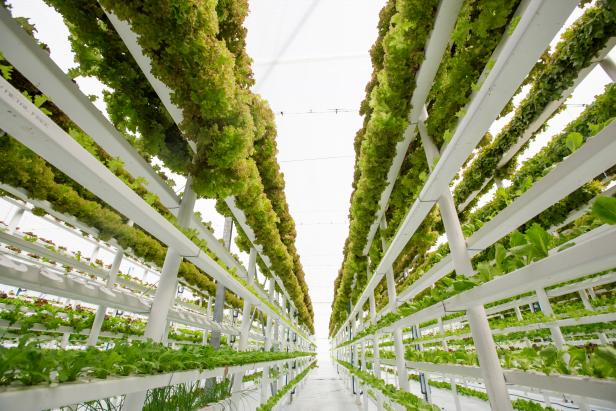
Vertical farming is the practice of growing crops in vertically stacked layers. It often incorporates controlled-environment agriculture, which aims to

Vertical farming is the future of food production. Find out why this sustainable and efficient agricultural method is crucial for meeting the demands of a growing population.
Source: thehill.com

1. Introduction: Why Vertical Farming Matters

Vertical farming matters today more than ever, as it is an step toward creating a more sustainable and efficient food production system for the future. Some key aspects that highlight its importance include:

• Addressing Food Security: The United States Department of Agriculture (USDA) is committed to exploring vertical farming as a means of promoting food security across the nation. Workshops and funding opportunities are already in place to encourage research and development in this emerging field.

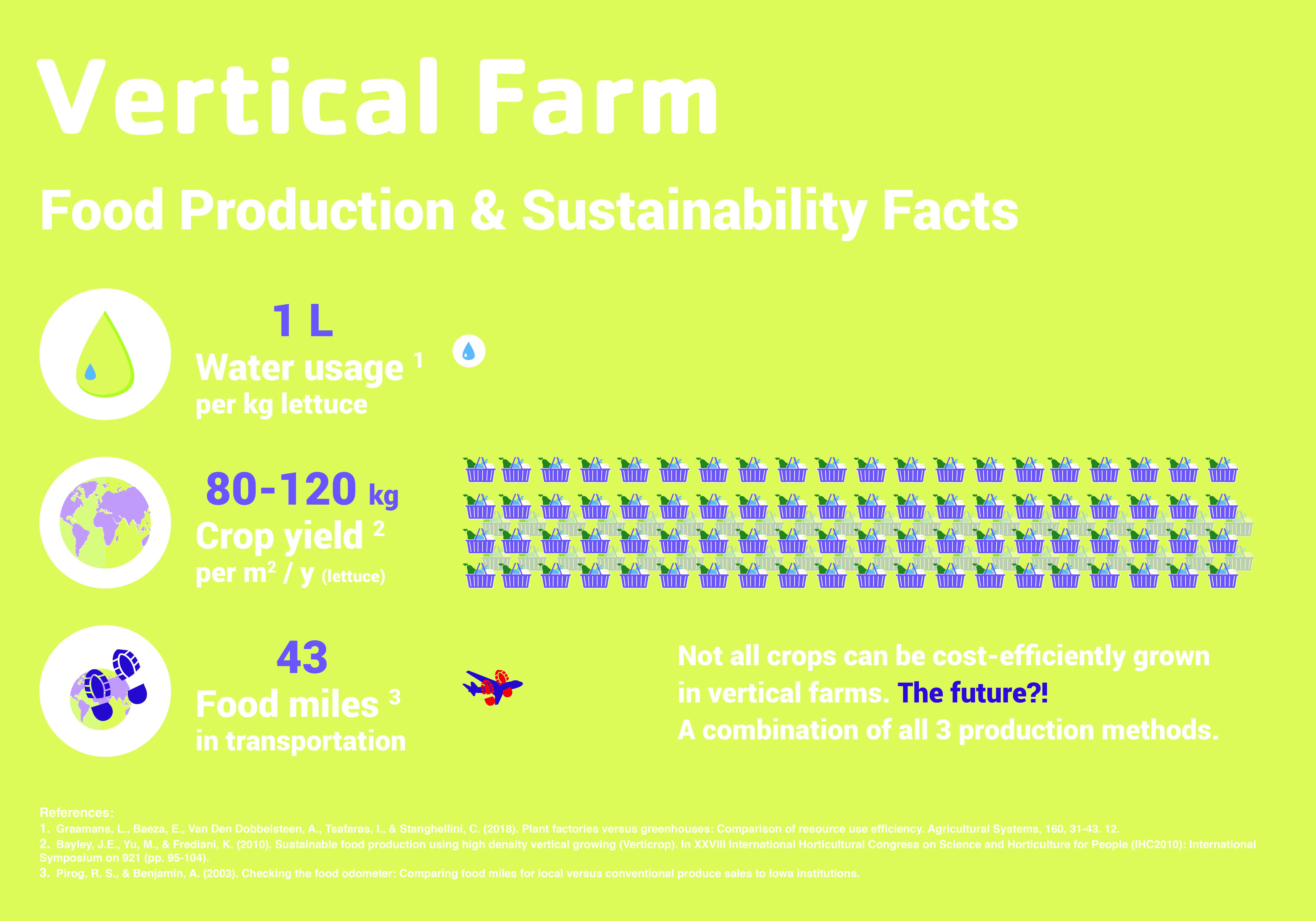
• Coping with Climate Change Challenges: As the world faces the consequences of a rapidly changing climate, the need to feed 10 billion people with limited resources becomes a pressing concern. Vertical farming offers a solution by using space in a more efficient manner, resulting in higher crop yields with less water and land use.

• Building on Historical Agricultural Practices: The concept of vertical farming is not entirely new, as we can see in historical examples such as the Babylonian Hanging Gardens, the Mesoamerican Aztec floating gardens and the walled gardens in 17th century France and the Netherlands. These innovations paved the way for controlled environment agriculture (CEA) that we see today.

• The Advantages of Controlled Environment Agriculture: CEA allows for customization of individual plant needs, optimizing growth and productivity. Vertical farming, as an extension of CEA, maximizes space usage by stacking crops vertically, thereby considerably increasing overall production per acre.

In conclusion, the significance of vertical farming lies in its potential to bring forth a more sustainable and efficient future for food production. By harnessing its advantages and learning from historical agricultural practices, we can aim to reshape the food system for the better. [1][2]

Vertical Farming is the revolutionary way of producing food that could be the future of agriculture. Learn more about its potential and benefits here!
Source: climatechampions.unfccc.int

2. The Limits of Traditional Farming Operations

The Limits of Traditional Farming Operations

Traditional farming operations face numerous challenges, including land limitations, seasonality, and environmental impact. However, vertical farming offers a promising solution to overcome these challenges. Here are some of the advantages:

- Efficiency: One acre of vertical farming can provide the produce equivalent to between 4 to 6 acres of conventional production, ensuring better utilization of space and resources. - Better control and stability: With Controlled Environment Agriculture (CEA) systems, production is not vulnerable to variability factors such as climate or pests and pathogens, offering a more stable model for reliable food production. - Environmental benefits: Vertical farming uses 70-80% less water and reduces nutrient loss to the environment. It also addresses the global problem of nitrogen loss (around 50%), which poses environmental and human health risks. - Improved security and safety: High levels of control in CEA systems reduce the interaction between crops and pests or pathogens, increasing food security and safety. In extreme instances, production can be resumed in the short-term, unlike in traditional agriculture where it often leads to a lost year. - Life cycle analysis (LCA) shows CEA systems offer improved resource efficiency, reducing adverse environmental impacts while maintaining high-quality yield.

Implementing vertical farming as an alternative to traditional farming operations presents an opportunity for increased efficiency, quality, and environmental benefits, ultimately addressing the growing need for food security as the global population continues to rise. [3][4]

Vertical farming is quickly becoming the future of food production. Learn why this innovative and sustainable approach to growing food is revolutionizing the industry.
Source: inhabitat.com

3. Vertical Farming as a Solution for Sustainability

Vertical farming is a highly efficient and sustainable way of producing food that offers several advantages over traditional agriculture. As a solution for sustainability, this innovative method has gained significant attention in recent years. Some key points to consider include:

- Vertical farms grow plants indoors in layers using LED lighting and controlled growing and nutrition systems. This allows for a more efficient use of space and reduces the need for pesticides in food production. - Europe's largest vertical farm, developed by Nordic Harvest, is capable of producing 1,000 tonnes of food per year. This showcases the potential for large-scale food production using vertical farming methods. - The technology used in vertical farms, such as software, robotics, and data science, enables precise control of the growing environment. This helps to reduce the environmental impact of food production and eliminate the need for harmful pesticides. - Through vertical farming, fresh produce can be grown year-round, regardless of season or weather conditions. This ensures a steady supply of food and contributes to greater food security. - Vertical farming can potentially reduce the need for transporting produce over long distances, as it can supply locally-grown food. This results in fresher food and lowers the amount of fuel used during transportation.

Despite the potential benefits of vertical farming, there are challenges such as the high cost of technology and real estate, along with energy consumption. However, the industry is growing rapidly, indicating that vertical farming has a promising future in addressing the world's food sustainability needs. [5][6]

Vertical Farming is the future of food - learn why this revolutionary approach to agriculture is set to revolutionize our food systems and provide sustainable solutions for a growing population.
Source: images.squarespace-cdn.com

4. Overcoming Challenges with Climate Change

Climate change poses numerous challenges to traditional farming, such as unpredictable weather patterns, leading to droughts, floods, and storms. Vertical farming offers potential solutions to overcome these challenges. By elevating agriculture to indoor facilities, vertical farming enables:

- Controlled environments: Farmers are no longer at the mercy of unpredictable weather patterns by growing crops indoors in climate-controlled spaces. - Efficient resource management: Vertical farming maximizes natural resources by using 70-80% less water and reducing land requirements by 10-20 times compared to conventional farming. - Reduced environmental impact: The precise control of resources in vertical farming minimizes nutrient losses to the environment, emissions of greenhouse gases, and the use of pesticides and fertilizers. - Improved food security: The ability to grow crops in any season and weather conditions makes vertical farming a more stable model for future food production. Moreover, the production of healthy and nutritious food is more accessible and affordable, even on low-value lands.

Vertical farming is a promising future for food production, offering enhanced efficiency, quality, and sustainability, as well as addressing food insecurity and inequity. With a growing global population, the need for innovative solutions has never been more vital to feed billions of people while minimizing the impact on our planet. Vertical farming stands as a beacon of hope for a sustainable and secure food future. [7][8]

Discover why vertical farming is the future of food production. Learn the advantages of this sustainable and efficient agricultural method, and how it can help shape a better food system.
Source: discovery.sndimg.com

5. Advantages of Indoor Controlled Environments

Vertical farming has taken the world by storm owing to its numerous advantages, especially when it comes to indoor controlled environments. Some of these benefits include:

- Optimized space utilization leading to much higher food production per square meter of land. This process uses stacking techniques, allowing 75 times more food to be produced for the growing urban population.

- Indoor vertical farming reduces overall water usage by up to 90% by accurately determining the precise moisture balance needed for each crop. This method is highly sustainable and helps in water conservation.

- The controlled environment ensures a safer product reaches our plates by reducing the threat of pollution and the risk of illness. This improved crop quality contributes to feeding more people with healthier, nutrient-rich food.

- Vertical farming is environmentally friendly as it excludes pesticides from the process, reducing the impact on the environment and promoting greener, sustainable farming solutions.

- Proximity to the market minimizes transportation costs, CO2 emissions, and the need for refrigerated storage, resulting in fresher produce. This approach also significantly reduces the massive fossil fuel consumption typically required for traditional farming equipment.

To conclude, indoor vertical farming is a game-changer when it comes to addressing the world's food demands in an environmentally friendly, sustainable manner. Vertical farming's many advantages show great promise in providing a secure future for food production and catering to the needs of an ever-growing population. [9][10]

Vertical farming is the future of food: learn why it's a sustainable, cost-effective solution for growing fresh produce all year round.
Source: www.eitfood.eu

6. Increased Efficiency and Quality in Food Production

Vertical farming offers various benefits that contribute to increased efficiency and quality in food production:

- Enhanced Resource Utilization: Vertical farming enables spatial efficiency by occupying up to 0.02% of the space as compared to traditional methods for the same amount of produce. By stacking crops, the agricultural space can be condensed significantly.

- Reduced Water Consumption: Indoor farming methods use up to 90% less water than conventional techniques. Most of the water can be recirculated in irrigation systems to minimize waste, addressing the water overconsumption issue.

- Improved Soil Health: Traditional horizontal agriculture has led to land degradation, soil contamination, and water pollution. Vertical farming provides a sustainable alternative without compromising soil health and quality.

- Year-Round Production: Controlled Environment Agriculture (CEA) allows optimization of plant growth conditions, resulting in the consistent production of various crops throughout the year. This eliminates the constraints of seasonal dependencies in food supply.

- Location Proximity: Vertical farms allow for food production to be geographically closer to points of consumption, improving freshness and reducing transportation emissions.

- Pesticide-Free: Indoor farming eliminates the need for pesticides in crop growth, ensuring a safer and eco-friendly food production process.

However, vertical farming still faces challenges, such as high energy demands for cooling and dehumidification. It generally focuses on specific types of crops, like leafy greens, limiting the overall food diversity. Nevertheless, innovative technology advancements, such as energy-efficient LED lights and automated climate control systems, hint at a promising future for vertical farming in revolutionizing the food production landscape. [11][12]

Learn why Vertical Farming is the future of food. Discover the sustainable, affordable and efficient benefits of this revolutionary approach to farming that helps address global food security.
Source: u4d2z7k9.rocketcdn.me

7. Reduced Environmental Impact with Vertical Farming

Reduced Environmental Impact with Vertical Farming

Vertical farming offers a sustainable approach to agriculture, addressing the challenges of feeding an ever-growing population. The salient features and benefits of this modern farming technique include:

- A controlled environment: Farmers can grow crops indoors, making them less dependent on weather conditions. This enables more consistent production and quality.

- Efficient use of resources: Vertical farming systems generally use less water, fertilizer, and eliminate the need for pesticides. Furthermore, vertical farms can be built in urban areas, minimizing transportation needs and reducing overall carbon emissions.

- Enhanced food quality and safety: As plants are grown indoors, processes that can degrade nutritional value, such as chlorine baths for leafy greens, are not necessary. This leaves more of the plant's nutrition intact.

Vertical farming can contribute significantly to food sustainability goals:

- Improved nutrition targets: Indoor vertical farms can help grow more nutritious foods while using fewer resources and requiring less land.

- Shorter supply chains: By constructing vertical farms closer to densely populated areas, healthier food choices can become more accessible and affordable as transportation costs decrease.

- Supporting local communities: This approach can create a more equitable food system by reaching historically underserved communities and providing fresher, healthier food options at more affordable prices.

The global vertical farming market is expected to grow rapidly, reaching approximately $20 billion by 2025. This growth is driven by increasing consumer awareness about the environmental impact of traditional agriculture and the need for innovative, sustainable, and efficient farming techniques, such as vertical farming, in the fight against climate change and resource depletion. [13][14]

Vertical farming is the future of food, with more efficient use of resources and potential to produce higher yields. Discover why this innovative approach is changing the way we think about growing food.
Source: www.thelancet.com

8. Addressing Food Insecurity and Inequity Across the Globe

Addressing food insecurity and inequity has become a major global challenge. One promising solution is vertical farming, which utilizes advanced technology to increase agricultural production in urban settings. Here are some key points about how vertical farming can contribute to addressing these pressing issues:

- Conventional farming struggles to keep up with the growing global population and changing environmental conditions. Vertical farming offers a more sustainable alternative, capable of meeting the increasing food demands as the global population is projected to rise to 9.7 billion in 2050. - Vertical farms use up to 90% less water compared to traditional agriculture, conserving valuable resources and reducing the overall costs of food production. - Improved supply chain efficiency is observed in vertical farming, as perishable crops have a lower chance of spoiling during harvesting, packaging, processing, and distribution. This results in a reduction in food waste and ensures access to fresh produce for many communities. - Vertical farming can provide fresh, healthy food options for low-income families in both industrialized and developing countries helping to combat malnutrition and food-related diseases such as obesity and diabetes. - Climate change and extreme weather events have made agriculture increasingly vulnerable. Vertical farming enables predictable and consistent production, irrespective of weather conditions and natural disasters.

Despite the high upfront investment required, vertical farming has gained significant attention, with leading indoor farming operations raising over $500 million each. As the world searches for innovative solutions to address food insecurity and inequality, vertical farming emerges as a promising approach that can have a lasting impact on the future of food production. [15][16]

Vertical farming is the future of food production. Learn why this innovative growing solution can provide sustainable food sources and how it can benefit our world.
Source: inhabitat.com

9. Future Opportunities for Vertical Farming Investment

As the global population continues to increase, the demand for food is projected to reach unprecedented levels. Traditional agriculture faces numerous challenges, such as climate change, resource management and environmental impact, and unequal access to healthy food. Addressing these issues may require innovative solutions like vertical farming.

Vertical farming involves growing crops indoors in vertical layers, using LED lighting and controlled growing and nutrition systems. These facilities offer several benefits:

- Efficient use of space, producing more food in less area. - Sustainable practices, using 250 times less water than traditional farms. - Elimination of pesticide use, thanks to controlled environments. - Year-round production of fresh produce.

These advantages make vertical farming a promising solution for a more sustainable global food supply. In addition to reducing the environmental impact of agriculture, vertical farms can also contribute to improved food equity by making healthier choices more accessible and affordable to a wider range of communities.

The vertical farming market is expected to grow significantly, from $5.5 billion in 2020 to around $20 billion by 2025. This growth is driven by increasing investment in vertical farming technology and heightened consumer awareness about the environmental impact of food production.

However, cost remains a significant hurdle to widespread adoption of vertical farming. High expenses for real estate, technology, and energy are among the challenges that need to be addressed for vertical farming to become a truly global solution.

In conclusion, vertical farming offers great promise as a sustainable and efficient approach to food production. With continued investment and advancements in technology, it has the potential to revolutionize agriculture and help meet the growing demands of our global population. [17][18]

Vertical farming has the potential to revolutionize how we produce food. Learn why it's the future of food production - from sustainability benefits to cost-effectiveness!
Source: www.lifeadvancer.com

10. Conclusion: The Promise of Vertical Farming for the Future of Food

In conclusion, vertical farming holds immense promise for the future of food production. By leveraging advanced technology and efficient techniques, this innovative farming method offers numerous benefits that can revolutionize the way we produce and consume food.

Key points to consider about vertical farming include: * Efficient use of space: Vertical farming allows for a substantial amount of agricultural space to fit into much smaller physical spaces, creating more food in less space. * Reduced carbon emissions: The agriculture industry generates approximately 8.5% of global annual emissions; adopting vertical farming can significantly reduce this percentage. * Lower water consumption: Vertical farming systems use up to 90% less water compared to traditional agricultural methods, promoting sustainable water usage. * Improved soil health: Conventional farming methods have led to increased land degradation, soil and water contamination. Vertical farming can prevent further damage to our planet's soil health. * Year-round crop production: Vertical farming enables continuous crop growth, free from seasonal limitations, ensuring a reliable food supply throughout the year.

Although challenges remain, such as high initial costs and reliance on non-renewable energy sources, the global vertical farming market is expected to grow from $5.5 billion in 2020 to around $20 billion by 2025. There is no doubt that vertical farming will play a pivotal role in addressing the increasing demand for food while simultaneously reducing the environmental impact of agriculture. As more people embrace this cutting-edge farming method, we can strive towards a healthier, safer, and more sustainable world. [19][20]

as we examine the transformative potential of vertical farming and its impact on the future of food, it is evident that America plays a crucial role in this agricultural revolution. With its diverse landscapes, innovative spirit, and commitment to sustainability, America is poised to lead the way in advancing vertical farming technologies and practices. As the nation continues to address the challenges of food security, environmental sustainability, and efficient resource utilization, vertical farming stands as a beacon of hope and progress. By harnessing the power of vertical farming, America can not only secure its own food supply but also inspire global change, ushering in a brighter, more sustainable future for food production on both a national and international scale

Thank you https://hydroponicharmony.com

https://hydroponicharmony.com/vertical-farming/?feed_id=5237&_unique_id=65f8c4c51d108

Saturday, March 16, 2024

Embarking on a journey with a greenhouse with hydroponic system means stepping into a realm of endless possibilities

Grow fresher, healthier plants faster with a greenhouse with hydroponic system. This method is not just a trend; it's a revolutionary way to maximize your garden's potential and reap the most bountiful and quality crop yield. It's time to elevate your gardening game to a whole new level.

Hello and a warm welcome to all the green thumbs and budding garden enthusiasts! Today, I am beyond excited to unravel the wonders of a groundbreaking phenomenon that is reshaping the agricultural landscape globally. Yes, you guessed it right; we are delving deep into the world of merging hydroponic systems with greenhouses, a combination that promises innovation, sustainability, and a transformative approach to how we cultivate our food.

Let's paint a picture of a farming utopia where efficiency meets sustainability, a place where water usage is reduced by a staggering 90% compared to traditional farming methods. Visualize a garden where lush, vibrant plants defy seasons, growing robustly all year round, unaffected by the unpredictable whims of weather. Imagine achieving unprecedented crop yields in confined spaces, without the detrimental effects of soil erosion or the need for pesticides. It might sound like a page from a futuristic novel, yet this is the reality we are stepping into, a reality where a greenhouse with hydroponic systems is not just a possibility but a thriving, tangible truth.

As we embark on this enlightening series of articles, we aim to guide you through the remarkable journey of greenhouse with hydroponic farming. A journey where we unlock the untapped potential of plants through a harmonious marriage of hydroponics and greenhouse technologies, paving the way for a revolution in farming practices worldwide. Stay tuned as we unravel the secrets to achieving a garden that is not only productive but also kind to our planet, a true testament to human ingenuity and a beacon of sustainable agriculture.

Discover the power of growing with hydroponics in a greenhouse! Learn how to optimize your growing environment and maximize your yield with a top-quality hydroponic system.

Imagine venturing into a haven where the ambiance is perpetually warm, the foliage is evergreen, and a bounty of fresh fruits and vegetables are at your disposal throughout the year. This is not a figment of imagination but a tangible reality in a greenhouse with hydroponic system! This amalgamation of two brilliant cultivation techniques crafts an ecosystem that not only challenges the conventional growing seasons but also pioneers a revolutionary pathway in the agricultural sector.

Let's unravel the magic that unfolds in the greenhouse, a specially designed enclosure that fosters the ideal conditions for plant growth. It captures the essence of the sun, offering a warm sanctuary even in the cold grips of winter. The true marvel, however, lies in its union with the hydroponic system, a groundbreaking approach that substitutes soil with a water solution rich in nutrients. This method facilitates a more efficient nutrient absorption process compared to soil cultivation, promising accelerated growth and enhanced yields. Furthermore, the absence of soil eradicates common challenges such as pest infestations and diseases, paving the way for a healthier crop.

Delving deeper, we find that the hydroponic system grants us the privilege to dictate every facet of plant nutrition meticulously. From fine-tuning pH levels to administering the precise nutrients at the opportune moments, it ensures that plants receive tailored care, optimizing their growth potential. The elimination of soil from this equation also heralds a new era of water conservation, as it prevents ground absorption and promotes water recycling within the system, championing sustainability in agriculture.

Taking a step further, integrating these systems within a greenhouse with hydroponic setup elevates the cultivation process to unprecedented heights. It offers the luxury of modulating light exposure through adaptable shades, regulating temperature via heating and cooling systems, and maintaining ideal humidity levels through efficient ventilation. This empowers you to craft unique environments, customized to nurture different crop varieties, devoid of the disruptions caused by erratic weather conditions.

Picture yourself stepping into your personalized Eden, where succulent tomatoes dangle generously from the vines, neighboring crisp lettuce leaves that sparkle under gentle illumination, all while aromatic herbs occupy corners, releasing a burst of fragrant delight. This paradise is accessible at your fingertips, unaffected by the external climatic extremes, whether it's a blanket of snow or the scorching summer sun. This dream is being realized as we speak, courtesy of the innovative integration of greenhouse with hydroponic systems, reshaping our perception of food production and steering us towards a future of boundless agricultural possibilities.

Explore the benefits of having a greenhouse with a hydroponic system and learn how to maximize the potential of your plants' growth.

Harnessing the Power of Hydroponics in Greenhouses: A Revolutionary Approach

In the evolving landscape of agriculture, the integration of a greenhouse with hydroponic systems stands as a beacon of innovation, merging the nurturing environment of a greenhouse with the efficiency of hydroponic farming. This approach is not just a trend but a substantial shift towards sustainable and productive agriculture, garnering attention and appreciation globally.

The inception of this method is rooted in the desire to overcome the limitations of traditional farming, and the results are nothing short of remarkable. The elimination of soil from the equation eradicates the necessity for conventional fertilizers, paving the way for a reduction in both financial and environmental costs. Moreover, the hydroponic system champions water conservation, utilizing it far more efficiently than traditional irrigation methods, thereby presenting a solution that is both eco-friendly and economical.

But the marvels of a greenhouse with hydroponic systems don't end here; it grants growers an unprecedented level of control over the environmental factors influencing plant growth. From fine-tuning the temperature and humidity to meticulously managing the nutrient levels and pH balance, every aspect is modifiable to ensure optimal plant health. This meticulous management translates to plants that are not just healthier but yield more at the time of harvest, a dream come true for every cultivator.

Furthermore, the financial implications of adopting a greenhouse with hydroponic systems are profoundly positive. The system demands fewer inputs in terms of water and nutrients, significantly reducing the operational costs. Moreover, it negates the necessity for chemical pesticides and herbicides, and circumvents energy-consuming irrigation practices, thereby reducing the carbon footprint of the farming process.

In conclusion, the greenhouse with hydroponic system emerges as a frontrunner in the agricultural revolution, offering a plethora of benefits that transcend the boundaries of traditional farming both economically and environmentally. It stands as a testimony to what is achievable when innovation meets agriculture, promising a future of farming that is not just sustainable but also incredibly rewarding. It is a venture that beckons every aspiring gardener and farmer to explore and embrace the future of agriculture.

Discover how to create the perfect home-grown produce with a greenhouse equipped with a hydroponic system. Learn more today!

Unlocking Plant Potential: The Synergy Between Greenhouse and Hydroponic Systems

In the quest to unleash the utmost potential of plants, the fusion of greenhouse with hydroponic systems has emerged as a beacon of innovation, turning the dreams of many gardeners into a tangible reality. This amalgamation has given birth to a nurturing haven where plants can flourish unrestrained by the limitations of soil and sunlight. By meticulously managing the variables such as temperature, humidity, and nutrient distribution, one can sculpt an environment that caters to the specific needs of a wide array of plant species, fostering optimal growth and development.

The harmonious integration of greenhouse with hydroponic systems has paved the way for a farming revolution, enabling the maximization of yields while drastically reducing the necessary inputs, notably water. This approach stands as a pillar of sustainable agriculture in today's world, promising bountiful harvests without the hefty resource expenditure traditionally associated with farming. It not only alleviates the environmental burden but also offers a cost-effective solution, curtailing the energy demands that have long been a staple in conventional agriculture.

Delving deeper into the myriad benefits that a greenhouse with hydroponic systems brings to the table, one cannot overlook the enhanced root health attributed to the increased oxygen availability, a hallmark of hydroponic cultivation. This, coupled with superior nutrient absorption from the specially formulated solutions, results in unprecedented yields, a boon for growers aiming for high productivity. The greenhouse structure stands as a sentinel, shielding the plants from adverse climatic conditions, and granting the cultivator the power to control the environmental parameters throughout the year, a privilege unbounded by geographical location.

In conclusion, if the aspiration is to unlock the latent potential of your plants, venturing into the realm of greenhouse with hydroponic systems is the pathway to success. This symbiotic relationship between the greenhouse and hydroponic technologies offers opportunities that are unparalleled, ushering in a new era of gardening that is characterized by efficiency, sustainability, and remarkable yields. It is an invitation to gardeners and farmers alike to step into the future of agriculture, a future replete with possibilities and rich rewards.

Start growing your own produce in a greenhouse with hydroponic system. Learn more about this innovative way to cultivate and harvest plants quickly and easily.

Why Choose a Hydroponic System for Your Greenhouse? Exploring the Benefits

If you're looking for an efficient and sustainable way to grow plants in your greenhouse, then a hydroponic system is the perfect choice. Hydroponics offers many benefits that traditional soil-based gardening can't match. Here are just a few of the reasons why you should choose a hydroponic system for your greenhouse: 1) Faster Growth – With hydroponics, plants can reach maturity up to 50% faster than with conventional soil-based growing methods. This means that you'll be able to enjoy fresh fruits and vegetables much sooner! 2) Less Water Usage – Because there's no need for soil, water usage is greatly reduced when using a hydroponic system. This makes it an ideal choice if you're trying to conserve resources or live in an area with limited access to water. 3) More Nutrients – Plants grown in a hydroponic environment have access to more nutrients than those grown in soil because they don't have to compete with other organisms or break down organic matter into usable forms of nutrition like they do when planted directly into the ground. As such, plants grown using this method tend be healthier and produce higher yields than their counterparts grown traditionally outdoors or indoors without supplemental lighting systems like LED grow lights. 4) Easier Maintenance – Since there's no need for weeding or tilling soils as often required by traditional gardening methods, maintenance costs associated with running a successful greenhouse operation are significantly lower when using this type of setup compared other options available on the market today. Overall , choosing ahydro pon ic sys tem fo ryou rgreenh ouse offe rsmany benef its tha tcanno tbe matched by any other option out there today. Not only will it help reduce resource consumption while increasing yield potential but also make managing your indoor garden easier overall !

Discover how to create a sustainable hydroponic greenhouse that can provide you with fresh, organic produce year-round. Learn all the tips and tricks today!

Step-by-Step Guide to Setting Up Your Own Greenhouse with Hydroponic System

Are you looking to take your gardening game up a notch? Setting up your own hydroponic greenhouse system is the perfect way to do just that! Not only will you be able to grow plants and vegetables faster, but it’s also an incredibly rewarding experience. Here’s a step-by-step guide on how to get started with setting up your own hydroponic greenhouse system. First, decide what type of hydroponics setup you want for your greenhouse. There are several different types available such as deep water culture (DWC), nutrient film technique (NFT), ebb and flow systems, aeroponics, and wick systems. Each one has its own advantages and disadvantages so make sure you research them thoroughly before making a decision. Next, choose the right location for your greenhouse in order to maximize sunlight exposure while minimizing wind damage or other environmental factors that could affect growth rates or crop yields. You should also consider any local regulations regarding greenhouses in order ensure compliance with those laws when building yours. Once you have chosen the right spot for your new project it's time to start planning out the structure itself - this includes deciding on materials like wood or metal framing as well as insulation options such as polyethylene sheeting or bubble wrap if needed depending on where you live geographically speaking of course! After all these decisions have been made then comes construction which can range from simple DIY projects using pre-made kits all they way through hiring professionals who specialize in custom builds depending upon budget constraints etcetera... Now onto selecting equipment: pumps/aerators/filters/heaters etcetera - again there are many different brands available so research each one carefully before committing yourself financially here too; don't forget about lighting either because proper illumination is essential when growing indoors under artificial conditions like this! Finally after everything else has been taken care of then comes stocking up with nutrients & supplies necessary for successful plant cultivation inside said environment – things like pH meters soil testers thermometers humidity gauges etcetera… Congratulations – now that everything is set up properly it's time enjoy watching nature at work within her very own self contained ecosystem created by none other than YOURSELF!!

Grow fresh, organic produce in your own backyard with a greenhouse featuring a hydroponic system! Learn more about this efficient and sustainable way of gardening.

Overcoming Traditional Farming Challenges with Greenhouse Hydroponics

Farming has been around for centuries, but the challenges it faces today are more complex than ever. From climate change to water shortages and soil degradation, traditional farming methods are becoming increasingly difficult to sustain. But there is hope! Greenhouse hydroponics offers a revolutionary way of growing crops that can help overcome these traditional farming challenges. Hydroponic systems use nutrient-rich solutions instead of soil to grow plants in greenhouses or other controlled environments. This allows farmers to control temperature, humidity and light levels while avoiding pests and diseases that would otherwise affect their crops outdoors. With this method, farmers can produce higher yields with fewer resources – making it an incredibly efficient way of producing food without compromising quality or taste! The benefits don’t end there either; greenhouse hydroponics also helps reduce water usage by up to 70%, meaning less strain on natural resources like rivers and lakes as well as reducing the amount of fertilizer needed for crop production. Not only does this save money in the long run but it also reduces environmental impacts associated with conventional farming practices such as runoff pollution from fertilizers entering waterways or air pollution from burning fossil fuels used in machinery operations. Greenhouse hydroponics is revolutionizing agriculture by providing a sustainable solution for overcoming traditional farming challenges – one that will benefit both our planet and its people alike!

  1. How To Set Up Hydroponics in a Greenhouse: This link provides information on setting up a hydroponic system in a greenhouse, including the basics of hydroponic gardening and tips on choosing the right option for you​1​.
  2. Greenhouse & Floriculture: Hydroponic Systems | Center for Agriculture: This page explains how the greenhouse and its environment control system work for both conventionally grown and hydroponic plants. It also highlights the advantages of hydroponic systems, such as greater plant density​1​.
  3. Hydroponic Greenhouse Systems & Kits | Rural Living Today: This site offers a simple explanation of hydroponic greenhouse systems, which involve growing crops in water. It also discusses the different growing mediums that can be used in these systems, such as clay pellets, rock wool, and coconut fiber​1​.
https://hydroponicharmony.com/greenhouse-with-hydroponic/?feed_id=4536&_unique_id=65f5f6d91f372

15 Surprising Pros & Cons of Hydroponic Farming

Welcome to the world of hydroponic farming, where soil takes a backseat and plants thrive in innovative ways. Unlocking the secrets of pl...